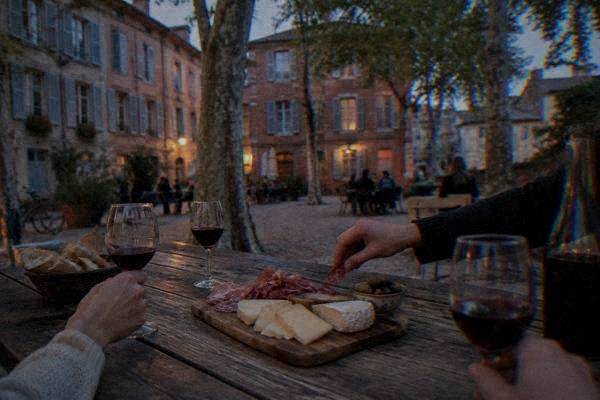
Toulouse Food: What To Eat, Where To Find It, And What To Order First
Toulouse food runs on cassoulet, Toulouse sausage, duck in every form and a covered market that has fed the city for generations. This guide lays out the dishes, the markets and the food walks that make eating in La Ville Rose its own reason for the trip.
Short answer
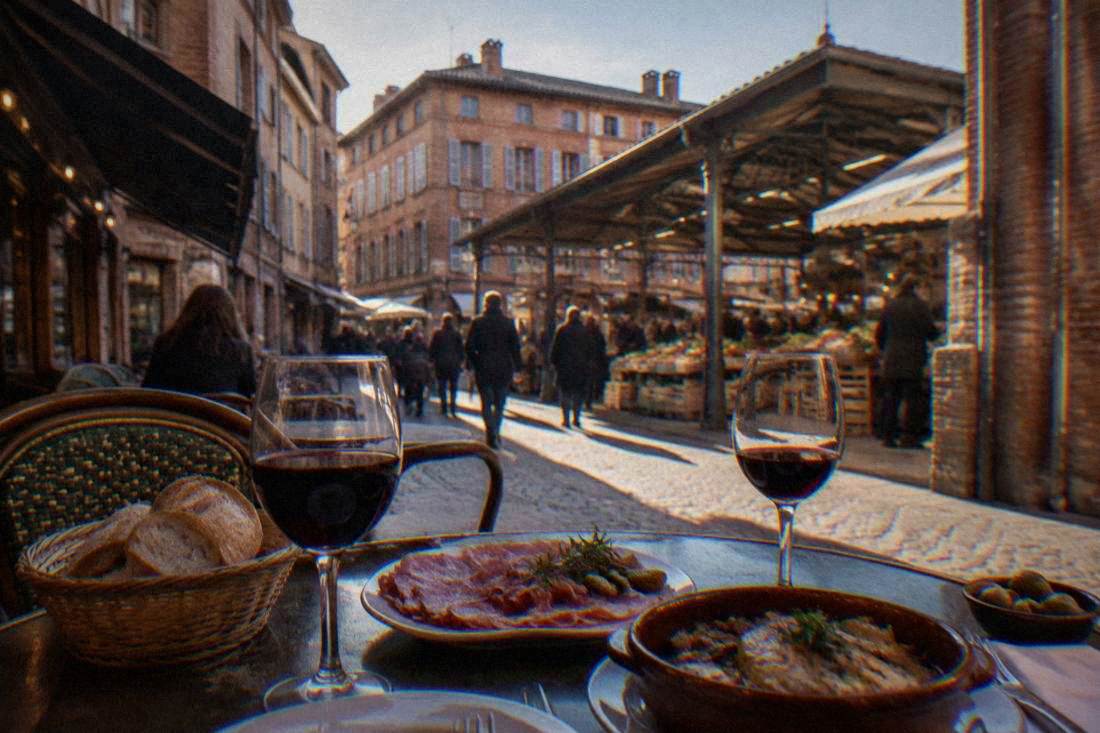
Toulouse food is the hearty cooking of southwestern France: cassoulet, Toulouse sausage, confit duck, foie gras, violet sweets and Fronton wines. The Victor Hugo market anchors the eating city, the Cassoulet is its signature dish, and a guided tasting walk is the fastest way to understand all of it. Bring an appetite, because portions are generous and lunch is taken seriously.
Toulouse, the pink-brick "La Ville Rose" on the Garonne in the Occitanie region of southwestern France, eats the way its architecture looks: warm, generous and built to last. The city's cooking belongs to the southwest tradition, where duck fat outranks butter, white beans are slow-cooked in earthenware, and a sausage carries the city's name across France. Eating here is not a side activity. It is one of the main reasons travelers come, and this guide walks through the dishes, the markets, the drinks and the tasting walks that make up Toulouse food.
What Is Toulouse Food, And How Is It Different From Paris?
Toulouse food is the country cooking of southwestern France moved into a city: cassoulet baked in a cassole pot, Toulouse sausage grilled over charcoal, confit of duck, foie gras, and beans, garlic and duck fat doing the work that butter and cream do farther north. The differences from Parisian cooking are ingredients and attitude. This is food built for appetite rather than presentation, rooted in the farms of the Haute-Garonne plain and the wineries around it, and it still tastes like a regional kitchen rather than an international one.
The region matters more than the city limits. Toulouse sits in Occitanie, close to the Gaillac and Fronton wine areas, close to the duck-rearing farmland that supplies confit and foie gras, and on the Canal du Midi, which historically moved goods between the Atlantic and the Mediterranean. All of that ends up on the plate. The city's nickname, La Ville Rose, comes from its pink brick, and the cooking matches the material: honest, local and built from what the land within a day's ride produces.
A visitor arriving from Paris will notice the change within one meal. Sauces are darker and thicker, plates arrive hotter and heavier, and the vegetable garnish is often a heap of white beans rather than anything green. That is not a shortcoming, it is the point. The southwest kitchen was built for people who worked outdoors, and it has never apologized for being filling. Modern Toulouse restaurants have refined the tradition without abandoning it, so you will find both old-school cassoulet houses and lighter contemporary plates using the same raw ingredients.
If you want the full background on the city behind the food, the Toulouse Travel Guide homepage covers the wider picture, and What Is Toulouse Famous For explains the signature elements one by one.
What Is Cassoulet, And Why Is It Toulouse's Signature Dish?
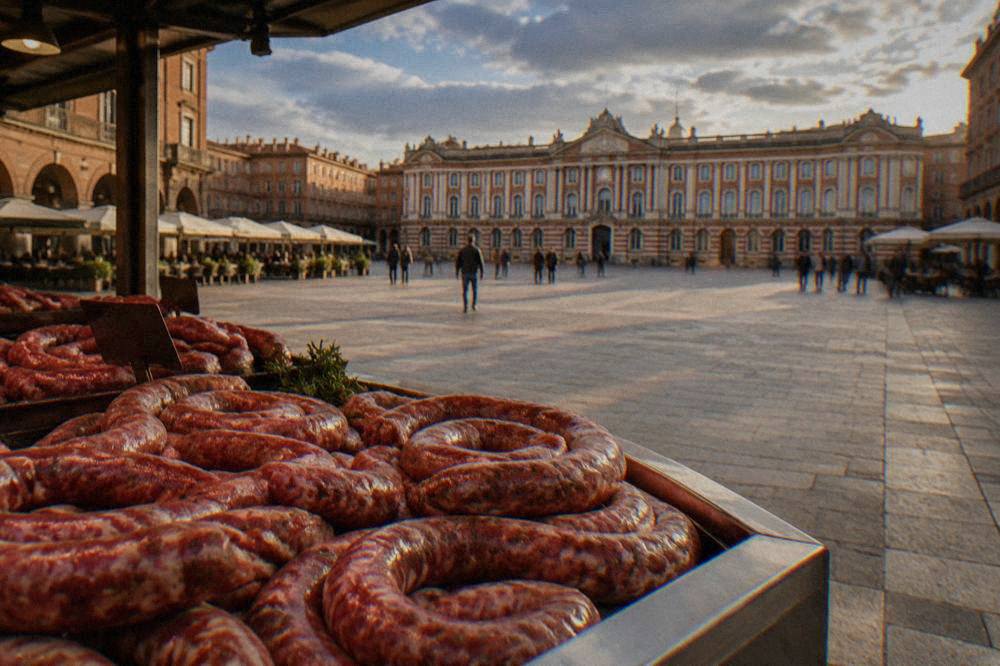
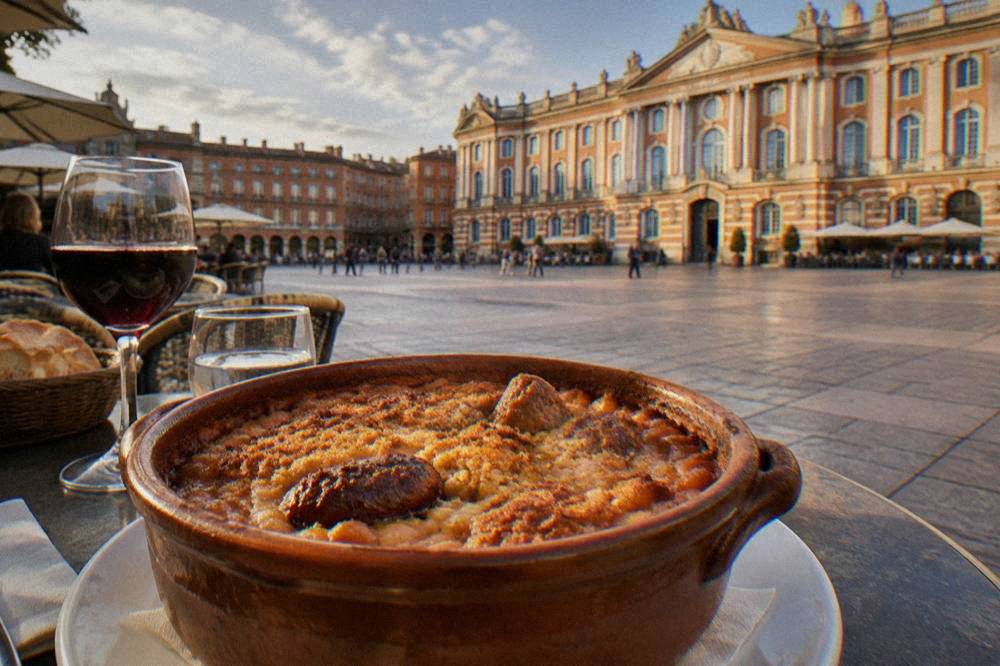
Cassoulet is a slow-baked casserole of white haricot beans, Toulouse sausage, confit duck or goose, and pork, cooked long enough that the beans turn creamy and a crust forms on top, and it is the dish Toulouse is most famous for. It is named after the cassole, the conical earthenware pot it is traditionally cooked in. Every town in the southwest defends its own version, and Toulouse claims its sausage as the ingredient that sets its cassoulet apart from any other.
The dish is filling in a way that surprises first-time visitors. A single portion is a full meal, and locals treat it as exactly that rather than as one course among several. Ordering a starter before a cassoulet is a planning error. The full story of the dish, its arguments between Toulouse, Castelnaudary and Carcassonne, and how to tell a good one from a lazy one is on the dedicated Cassoulet page.
| Cassoulet element | What it contributes |
|---|---|
| White haricot beans | The body of the dish, slow-cooked until creamy |
| Toulouse sausage | The city's signature ingredient, fresh pork sausage with a coarse grind |
| Confit duck or goose | Richness and salt, preserved the traditional southwest way |
| Pork (couenne, salt pork) | Depth and the gelatin that binds the beans |
| The crust | Formed and pushed back into the pot several times during baking |
The honest way to eat your first cassoulet is at lunch, not dinner. It is a heavy plate, and an afternoon walk along the Garonne afterwards is the traditional recovery. The Garonne riverside makes that easy.
Which Toulouse Dishes Should You Order First?
Order cassoulet first, then Toulouse sausage grilled on its own, then confit of duck, and if the menu offers foie gras or the local garlic sausage called ail de Toulouse, take those next, because this short regional list is what the city's kitchens do better than anywhere else in France. The city's signature plates are few, which works in your favor: a few days is enough to eat through the whole repertoire, and each dish below is a thing to look for by name on a menu, since no specific restaurant's prices or hours were sourced for this guide and menus change anyway.
| Dish | What it is | How to spot a good one |
|---|---|---|
| Cassoulet | Beans, sausage, confit duck baked in a cassole | Made in-house, not reheated from a tin |
| Saucisse de Toulouse | Fresh coarse-ground pork sausage | Grilled over charcoal, never boiled |
| Confit de canard | Duck leg preserved and cooked in its own fat | Crisp skin, meat that pulls from the bone |
| Foie gras | Duck or goose liver terrine, a southwest specialty | Served simply, with toast and a sweet companion |
| Magret de canard | Seared duck breast | Pink in the middle, sliced thick |
| Ail de Toulouse | Garlic sausage, a local charcuterie | Cut thick, eaten cold as a starter |
The sausage deserves its own paragraph. Toulouse sausage is a protected local name, a fresh pork sausage with a coarse grind, and it appears both inside the cassoulet and alone, grilled, with potatoes or a simple salad. The dedicated Toulouse sausage page goes deeper into what makes it different from ordinary sausage, and the Toulouse restaurants page covers how to choose where to eat rather than what.
Duck is the other thread running through everything. The same farms that supply the confit for your cassoulet supply the magret for your main course and the fat in which the beans are cooked, so the flavors repeat across dishes in different forms. If you eat duck three ways in one day in Toulouse, you are not overdoing it, you are eating the region's economy on a plate. Vegetarians will find fewer signature options, but the markets sell cheese, bread and produce good enough to assemble a picnic worth the walk to the riverbank.
One planning note that saves disappointment: southwestern portions are large, and the local eating rhythm builds around a serious lunch. Two dishes to share across a table will feed more people than the menu count suggests.
Where Do Locals Eat In Toulouse?
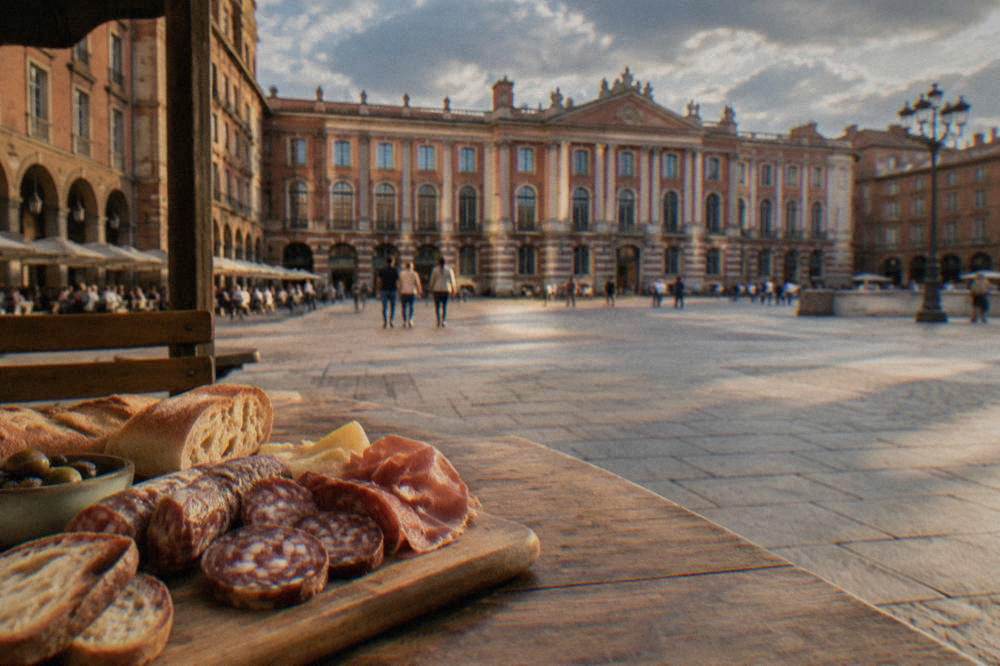
Locals eat at the covered markets, at bistros in the Carmes and Saint-Aubin neighborhoods, and at old-school cassoulet houses around the Capitole, ordering the daily specials rather than the fixed tourist menus, and they do it at lunch, which is the main restaurant meal of the day in this city. The center eats well everywhere within a short walk of Place du Capitole, but the neighborhoods each have their own character: Carmes for wine bars and small plates, Saint-Aubin for a Sunday market atmosphere near the Jardin des Plantes, and the streets around the Victor Hugo market for counters serving whatever the market sold that morning.
The honest answer to "where do locals eat" also involves when. Lunch is the main restaurant meal of the day in Toulouse, tables fill early, and many kitchens close between services. Turning up at 9 p.m. expecting a full cassoulet is a gamble. The Carmes and Saint-Aubin area guides cover those neighborhoods street by street.
A guided walk solves the "which door do I choose" problem in one afternoon. The chef-led food and history tour in English pairs the city's stories with its dishes, and Check availability before you lock in your dinner plans, because it makes a strong first evening.
Which Food Markets Should You Not Miss In Toulouse?
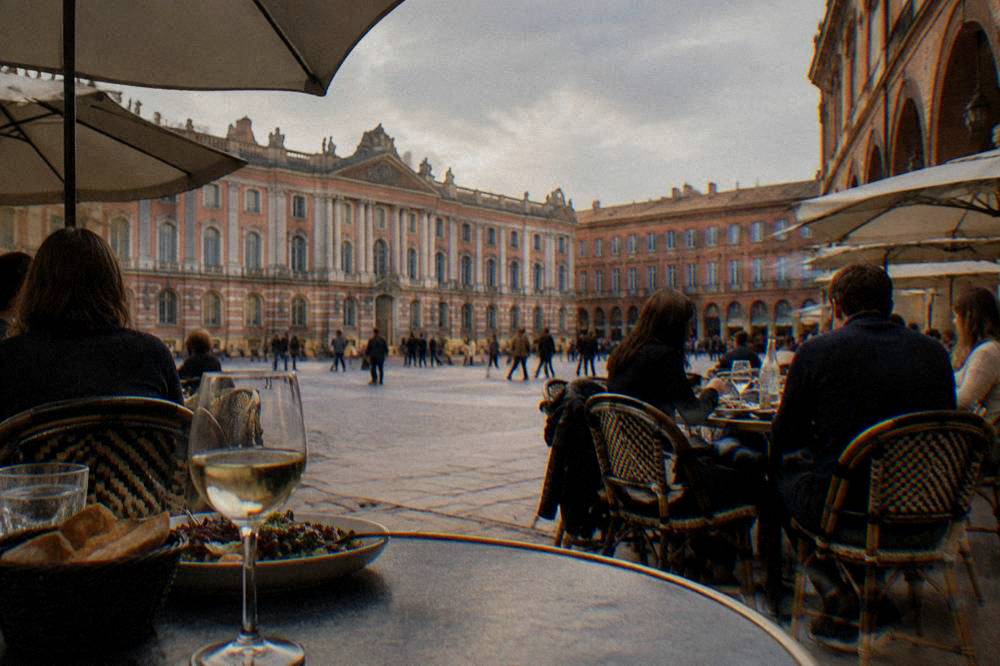
The Victor Hugo market is the one to build a day around: it is the city's main covered market, packed with butcher, cheese and seafood counters, with restaurant tables upstairs where you can eat what the stalls sold that morning. It sits a short walk from Place du Capitole, and its location makes it the natural anchor for a food day in the center. Beyond it, the neighborhood markets and the Saint-Aubin market square give a slower, more local version of the same scene.
| Market | What to look for |
|---|---|
| Marche Victor Hugo (covered) | Butcher counters with Toulouse sausage, cheese stalls, oyster and seafood bars, tables upstairs |
| Saint-Aubin market square | A relaxed weekend food atmosphere near the Jardin des Plantes |
| Neighborhood street markets | Fresh produce, charcuterie and bread on rotating days, worth checking locally |
| Place du Capitole at Christmas | The Christmas market from 26 November to 27 December 2026 adds food and gift chalets to the square |
The Victor Hugo market is also where several guided tasting tours start, which is no accident: it concentrates the whole southwest larder in one hall. The Marche Victor Hugo guide covers the hall itself, and the wider Toulouse markets page lists the rest of the city's market calendar.
A market morning rewards the unhurried. Arrive when the stalls open, buy a wedge of cheese, a length of sausage and a loaf, and you have assembled a picnic that no restaurant can improve on, provided the weather cooperates. The banks of the Garonne and the squares of Saint-Aubin are the classic spots to eat it, and the city's compact center means the walk from market hall to riverbank never takes long.
A small-group tasting walk through the market is the efficient version of browsing every counter yourself, and it pairs naturally with the self-guided options below if you like a mix of guided and independent eating.
If that sounds like your kind of morning, book a market food tour here.
What Should You Know About Toulouse Wine And Drinks?
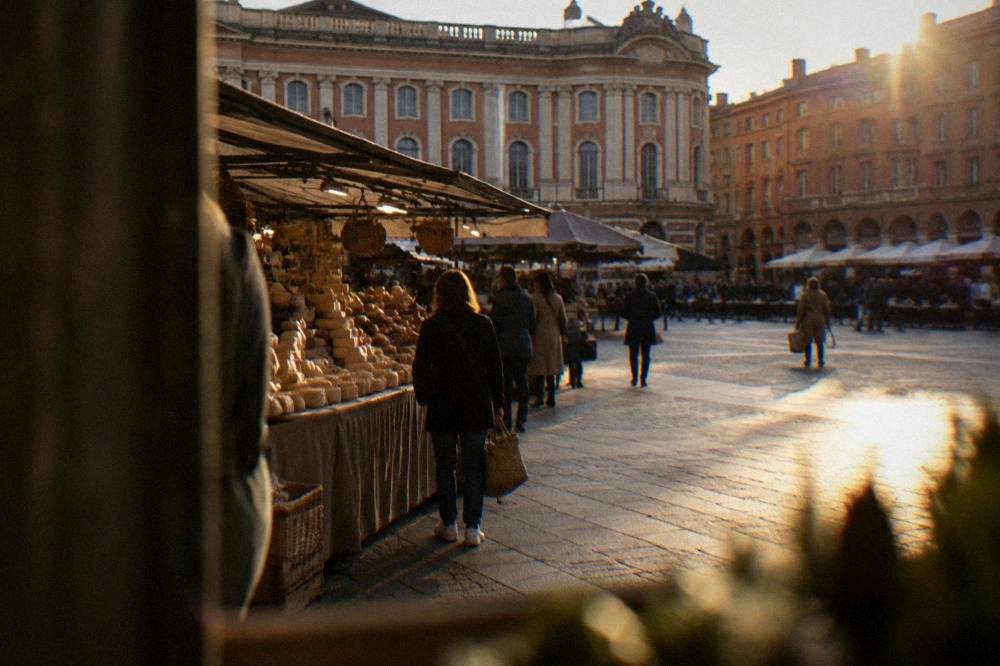
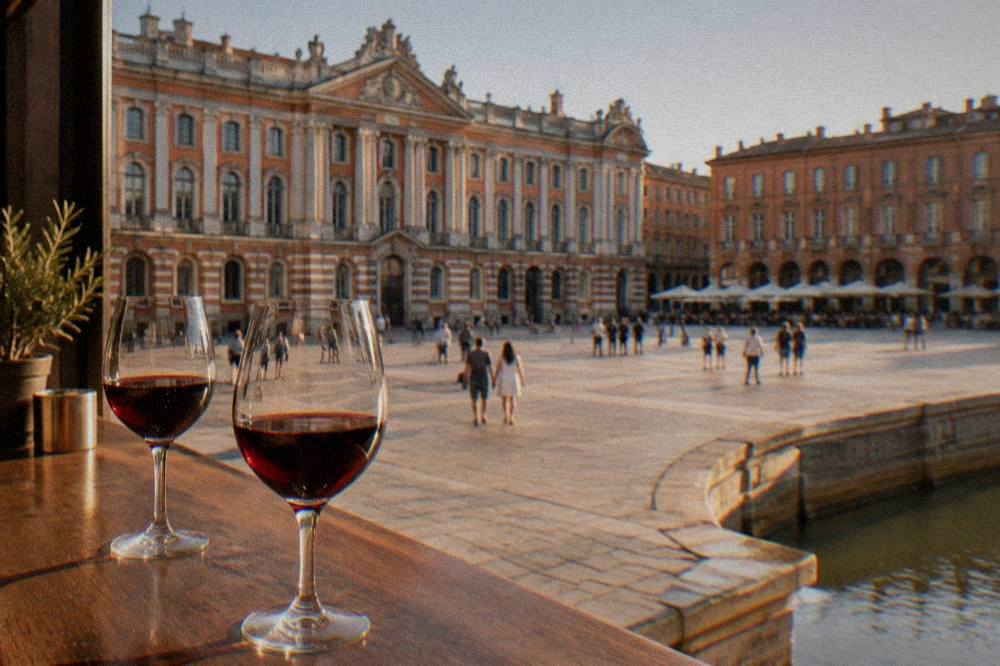
The wines to look for are the local ones: Fronton, a red grown just north of the city from the negrette grape, and Gaillac, the mixed red, white and sparkling range from the ancient vineyards east of here, plus the southwest's other names such as Cahors, Madiran and Armagnac brandy on any serious list. Toulouse is unusual among French cities in having its own wine appellation practically on the doorstep, and the wine bars in the center pour them by the glass alongside better-known regions.
| Drink | What it is | How locals drink it |
|---|---|---|
| Fronton | Red wine from just north of Toulouse, negrette-based | By the glass with sausage and grilled meats |
| Gaillac | Reds, whites and a sparkling "perle" from east of the city | Aperitif hour, sparkling first |
| Armagnac | The southwest's brandy, from Gascony | After dinner, slowly |
| Local craft beer | A growing Toulouse brewing scene | In the Carmes and Saint-Aubin bars |
The Toulouse wine guide covers the appellations in depth, and the Gaillac wine route page turns them into a day trip. For the drinking evening itself, the Toulouse nightlife page maps the bars.
The aperitif is a genuine institution here rather than a marketing word. An hour before dinner, the wine bars fill with people drinking a glass of something local over olives, saucisson and whatever else lands on the table, and joining in costs little and teaches much. Ask the barman what is poured locally and you will usually be pointed toward a Fronton or a Gaillac before anything from farther afield.
If you would rather have the wine chosen for you, a walk with a local expert visits the city's wine bars in a small group.
What Sweets And Desserts Is Toulouse Famous For?
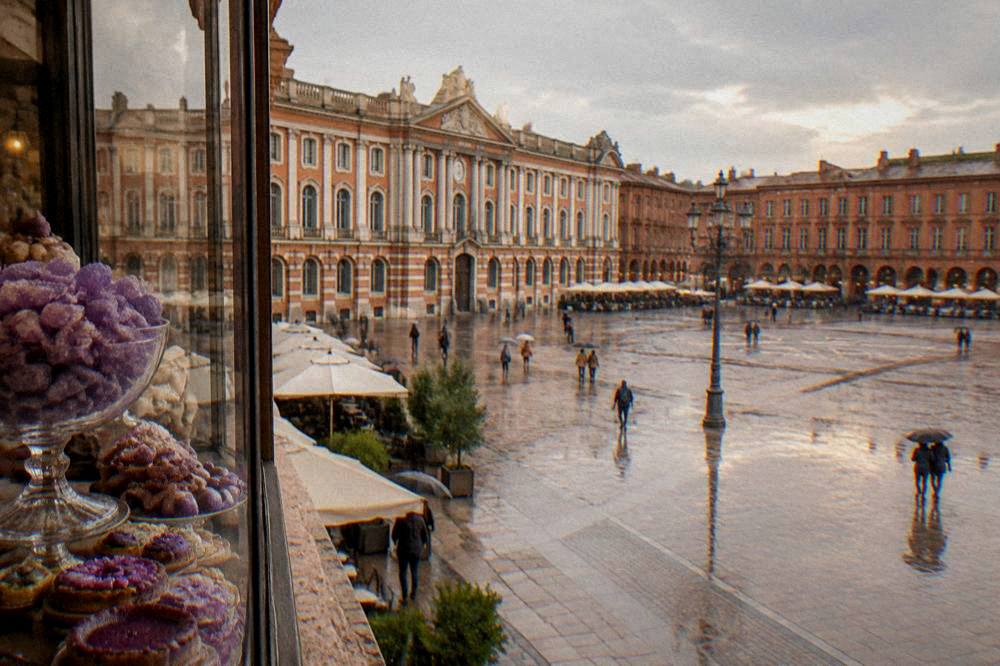
Toulouse is famous for the violet: the flower is crystallized, turned into sweets, liqueur and syrup, and gives the city its signature confectionery, alongside southwest classics such as pastis gascon, a layered caramelized apple pastry, and the fenetra, an almond and apricot cake with a history of its own. The violet is the one to bring home. It is the flavor most tied to the city's name, sold in pretty tins that survive a suitcase, and it divides opinion in the best way: perfumed, unusual and unmistakably local.
| Sweet | What it is | Why it matters here |
|---|---|---|
| Violette candies | Crystallized violet petals, violet syrup and liqueur | Toulouse's signature flower and gift |
| Pastis gascon (croustade) | Thin layered pastry with caramelized apples and armagnac | The southwest's celebration dessert |
| Fenetra | Almond and apricot cake | A historic Toulouse cake served with a glass of Gaillac |
| Fenny | Small aniseed biscuit | Sold by weight, eaten with morning coffee |
The Toulouse desserts and sweets page lists where these fit in the city, and the Toulouse violets page tells the flower's full story, including the February Fete de la Violette that celebrates it.
Dessert in Toulouse is not an afterthought, but it follows a heavy main course, so plan it as part of the meal rather than an extra. A slice of pastis gascon shared between two people after a cassoulet is the correct arithmetic. If you have eaten lightly, the fenetra with a glass of Gaillac is a proper afternoon stop in its own right, and the confectioners around the center sell the violet versions of almost everything.
How Do You Plan A Full Food Day In Toulouse?
Plan a food day around three anchors: the Victor Hugo market in the morning for cheese, charcuterie and coffee, a serious lunch of cassoulet or confit duck near the Capitole, and an aperitif of Fronton or Gaillac in a Carmes wine bar before a lighter dinner. The city is compact and walkable between all three, so no time is lost in transit, and the walk between them passes the pink-brick streets that give La Ville Rose its name.
| Time of day | Where | What to eat or drink |
|---|---|---|
| Morning | Marche Victor Hugo | Coffee, a pastry, market browsing, oysters if the mood strikes |
| Lunch | Around the Capitole or Saint-Etienne | Cassoulet, Toulouse sausage, or confit duck |
| Afternoon | Garonne riverside walk | Walk it off between Place Saint-Pierre and the Pont Neuf |
| Aperitif | Carmes wine bars | A glass of Fronton or Gaillac sparkling |
| Dinner | A neighborhood bistro | Something lighter: charcuterie, magret, a dessert of pastis gascon |
If you are planning more than a day of this, How Many Days Is Enough For Toulouse helps you size the trip, and Is Toulouse Worth Visiting answers the bigger question. The food alone is a defensible reason, but the city has more: the aerospace side of Toulouse, covered on the Airbus factory tour page, is the other half of the city's identity.
A second food day writes itself once you have done the first. Start at a neighborhood market instead of the Victor Hugo hall, eat your big meal in Saint-Aubin rather than the center, and spend the afternoon on the Canal du Midi towpath, where a walk between locks earns the evening's aperitif. The canal is the same waterway that once carried the region's goods, and walking it connects the food you have been eating to the landscape it came from.
For a self-guided option between meals, the Discover Toulouse self-guided audio tour of the Pink City walks you past the main sights at your own pace, leaving room for stops.
And if the eating puts you in the mood for a heavier day of history afterward, the Carcassonne Castle of Kings and Crusades day trip heads to the medieval fortress that shares a cassoulet rivalry with Toulouse. Carcassonne has its own food identity too, covered in What Food Is Carcassonne Famous For.
Common Questions About Toulouse Food
Quick answers to what planners ask most about eating in Toulouse.
What is the must-eat dish in Toulouse?
Cassoulet. It is the city's signature dish, a slow-baked casserole of white beans, Toulouse sausage and confit duck, and one portion is a full meal. The Cassoulet guide covers it in detail.
What is Toulouse sausage?
A fresh, coarse-ground pork sausage that carries the city's name, eaten grilled on its own or cooked inside cassoulet. The Toulouse sausage page explains what sets it apart.
What drink is Toulouse famous for?
The local wines: Fronton from just north of the city and Gaillac from the vineyards east of it, plus violet liqueur as the city's signature oddity. The Toulouse wine guide covers the bottles.
Where do locals eat in Toulouse?
At the Victor Hugo market counters, in the Carmes and Saint-Aubin neighborhoods, and at lunch-focused bistros around the center. The Toulouse restaurants guide helps you choose a table.
What sweet should I bring home from Toulouse?
Violet confectionery: crystallized petals, syrup or liqueur in a tin. It is the flavor most tied to the city's name and it travels well. The Toulouse violets page tells the story.
Is Toulouse expensive to eat out?
Southwestern cooking is generous rather than precious, and market eating keeps costs down, but prices vary by establishment and no specific restaurant figures were sourced for this guide. Plan around a big lunch and a lighter dinner, which is the local rhythm anyway.
Eating your way through Toulouse is the kind of trip that needs no itinerary beyond a market, a cassole and a glass of Fronton, and the city rewards every appetite that arrives hungry.