One Day In Toulouse
One day is enough for the historic core of Toulouse, the pink-brick city on the Garonne in southwestern France, if you plan the walking order and pick one cruise or museum for the afternoon.
Short answer
One day in Toulouse covers the Capitole, the Basilique Saint-Sernin, the Couvent des Jacobins and a walk along the Garonne, with a cassoulet lunch and a short canal cruise. A Tisseo day pass costs EUR 7.20 and the historic center is compact enough to do on foot.
One day in Toulouse, the pink-brick "La Ville Rose" on the Garonne in the Occitanie region of southwestern France, is a tighter proposition than visitors expect: the historic center is compact, the big sights cluster within a walkable loop, and the main planning decisions are which museum to skip and whether to trade an hour on foot for an hour on the water. This page lays out a single realistic day, morning to night, with the verified costs attached, so you can walk it as written or cut it to fit.
What Can You Realistically See In One Day In Toulouse?
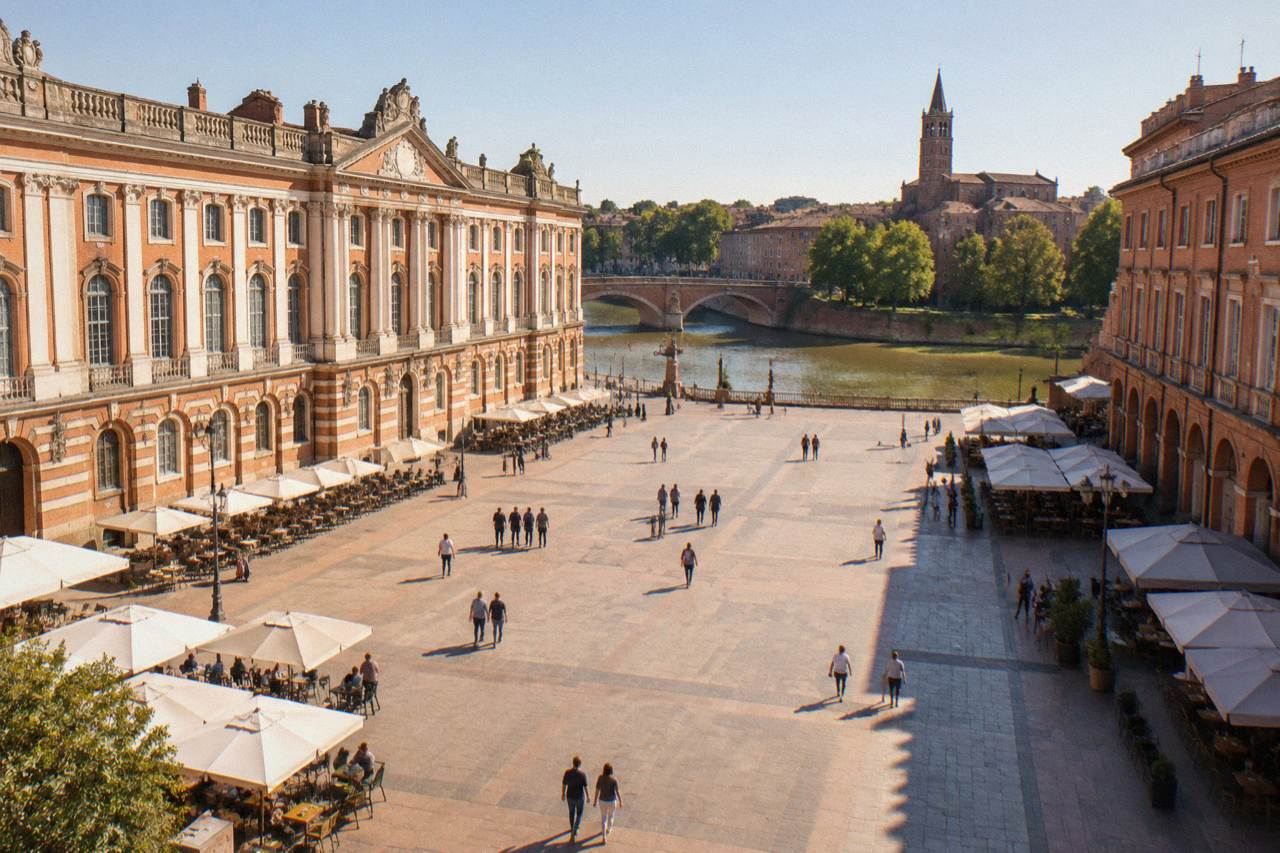
A single well-ordered day in Toulouse takes in the Place du Capitole, the Basilique Saint-Sernin, the Couvent des Jacobins, the Garonne riverside around the Pont Neuf, and one paid extra, either a Canal du Midi cruise or a museum such as the Musee des Augustins. The historic core sits inside a loop of roughly two kilometers, so the day is a walking day with one short transit ride at most, and the only hard constraint is lunch: kitchens serving the local cassoulet stop serving it once the midday run ends.
The order matters more than the list. Saint-Sernin sits at the top of the loop, the Capitole at its heart, and the Jacobins and the river at its western edge, so a sensible route runs north to south and finishes at the water. Doing it in reverse costs you the shaded late-afternoon stretch along the Garonne, which is the part of the day most worth keeping unhurried.
The commune of Toulouse counted 514,819 inhabitants at the last INSEE figure, but none of that scale touches the visitor: everything on this itinerary sits in the pre-railway core, where the pink brick, the local name for the terracotta cladding that gives the city its nickname, is the constant backdrop. If rain interrupts the day, the indoor alternatives are listed on the site's rainy day in Toulouse page.
Morning: Capitole, Saint-Sernin And The Historic Core
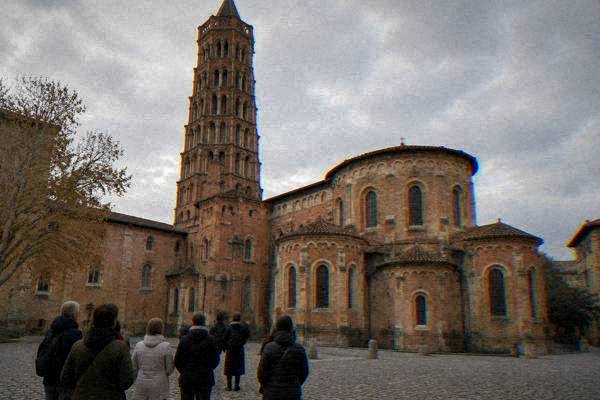
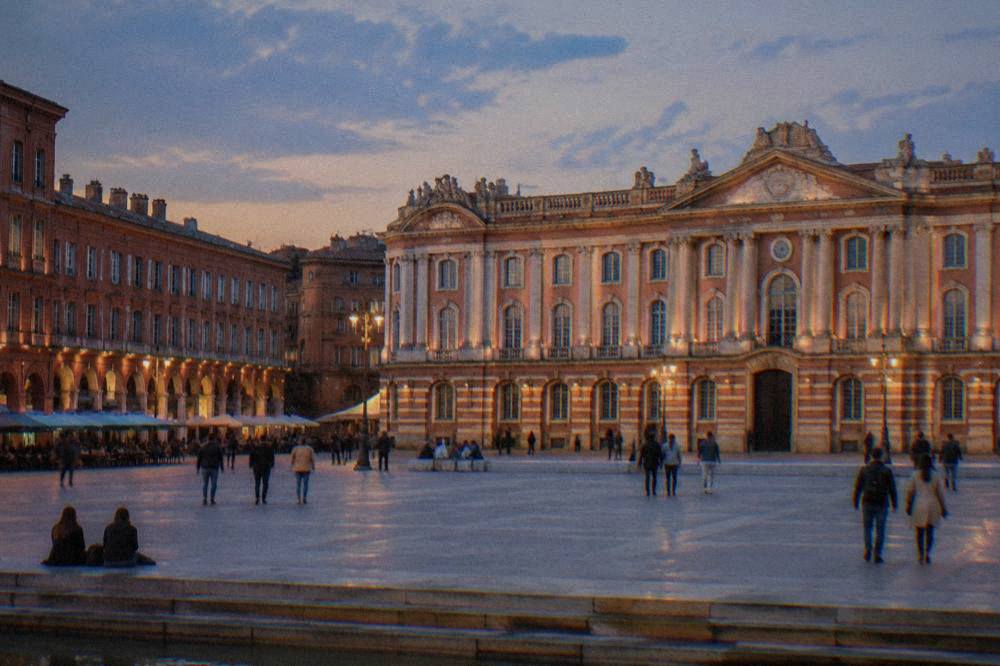
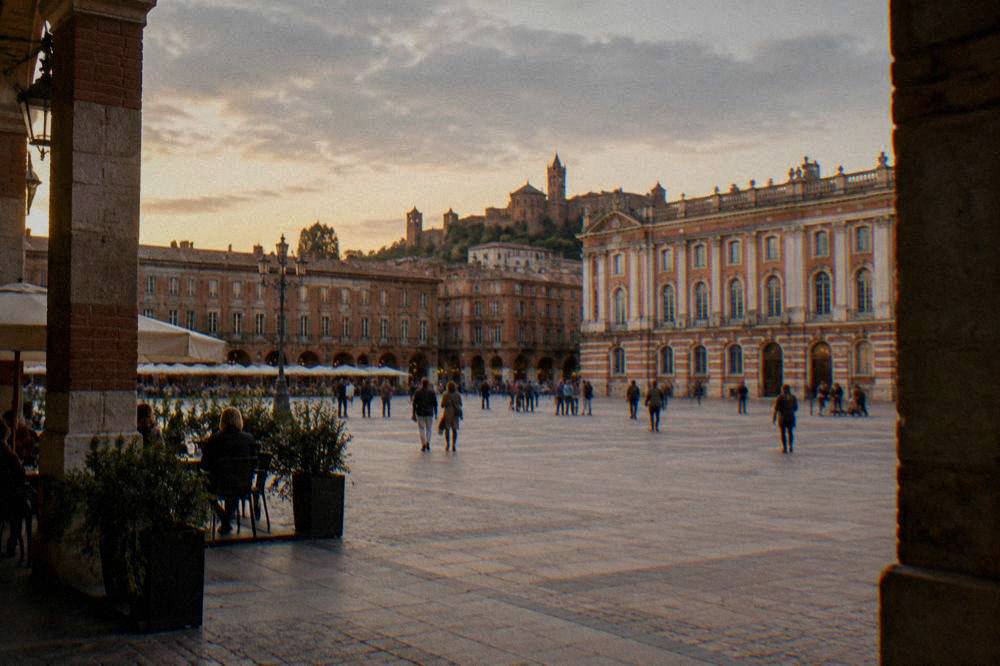
Start at the Place du Capitole by 9:00, walk north to the Basilique Saint-Sernin, the largest surviving Romanesque church on the Santiago de Compostela pilgrimage routes and a UNESCO-listed component since 1998, and be back near the square for lunch by 12:30. The Capitole, the city hall and opera house, anchors the main square and gives the day its fixed point; Saint-Sernin gives it its one unmissable interior, and the two are a flat fifteen-minute walk apart through streets that are themselves the sight.
The square is at its quietest in the early morning, before the market crowds and the cafe tables fill it, and the Capitole's facade photographs cleanly before the sun climbs. The building's details are covered on the site's Capitole de Toulouse page; the short version is that you look at the square and the facade, and save the interior time for Saint-Sernin, where the UNESCO listing and the pilgrimage history justify a full hour.
Saint-Sernin is a major stop on the Via Tolosana, one of the French routes to Santiago de Compostela, and the UNESCO "Routes of Santiago de Compostela in France" inscription dates from 1998. Give the ambulatory and the crypt the slow pass; the church's scale is the point, and rushing it wastes the one interior that rewards lingering. The site's Basilica of Saint-Sernin page carries the fuller background.
A guided option compresses the morning: the immersive 18th-century walk, one of the site's featured tours, covers the historic core in character, and the plain-language walking tours are compared on the Toulouse walking tours page.
Prefer someone else to handle the route? Book a sightseeing bus tour here.
If you prefer a self-guided morning, keep the loop simple: Capitole square, then rue du Taur straight up to Saint-Sernin, then back through the rue des Changes shopping spine. That is the whole morning, and it leaves the afternoon free for the river and the Jacobins.
Midday: Marche Victor Hugo And A Proper Cassoulet Lunch
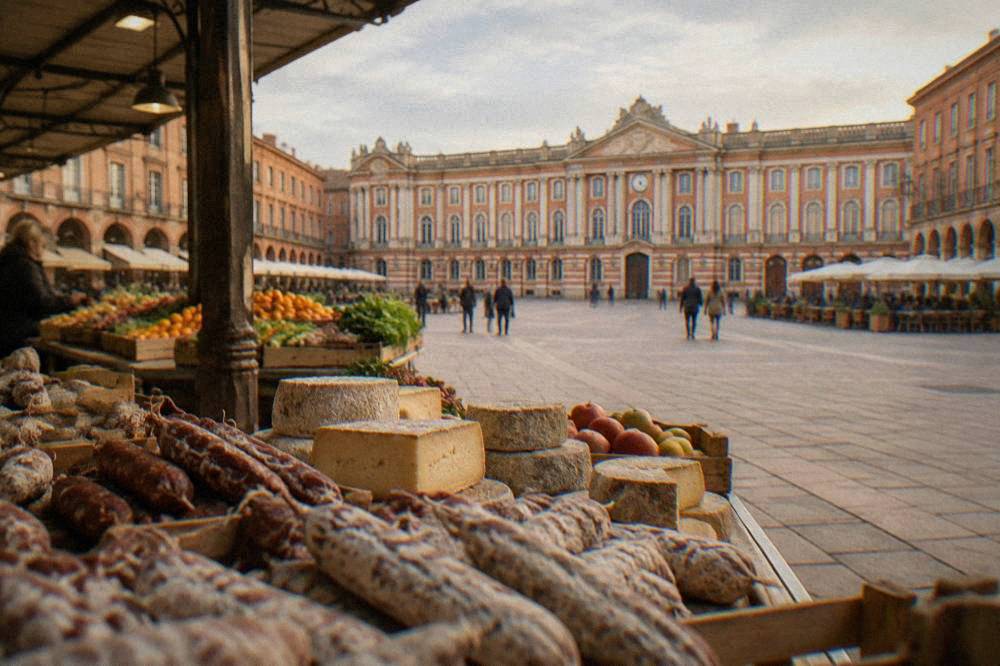
Lunch is the one meal worth planning in advance: the Victor Hugo market hall sits two streets off the Capitole, its perimeter of stalls and upstairs tables is where the city's cassoulet tradition is easiest to reach, and the local rule of thumb is to be seated by 12:30 because midday service does not run all afternoon. Cassoulet, the slow-cooked bean and meat casserole that is the signature dish of Toulouse and the wider region, is the thing to order once, done properly, rather than three times done indifferently.
The market hall itself is worth twenty minutes before you sit down: the stalls, the charcuterie and the violets, the flower the city has adopted as its emblem, give the lunch a frame no restaurant strip can. The site's Marche Victor Hugo page covers the hall, and the Toulouse food and cassoulet pages cover what to order and how the dish is built.
Food and restaurant specifics beyond that stay general on this site: no single address is ranked, because hours and kitchens change faster than a guide can track. What can be said is structural: the market sits inside the walking loop, so lunch costs you no transit time, and the afternoon route to the Jacobins starts from its doorstep.
Afternoon: The Jacobins, The Garonne And A Canal Cruise
Spend the afternoon on the Couvent des Jacobins, the Gothic convent church a few minutes west of the market, then walk down to the Garonne and the Pont Neuf, and finish with a short cruise: either the narrated Canal du Midi cruise or the historic-center discovery cruise on the river, both of which depart from central quays. The Jacobins is the city's most extraordinary interior, a single-vaulted Gothic church whose palm-tree rib vault is the image visitors keep; the river is the city's second facade; the cruise is the one sit-down hour of a walking day.
The convent charges EUR 5 at its normal rate, per the tourist office's Pass Tourisme table, and is free on the first Sunday of the month except when a temporary exhibition is running. Roof restoration work on the church has been under way with the site remaining open, so expect some scaffolding rather than a closure. The site's Couvent des Jacobins page carries the details.
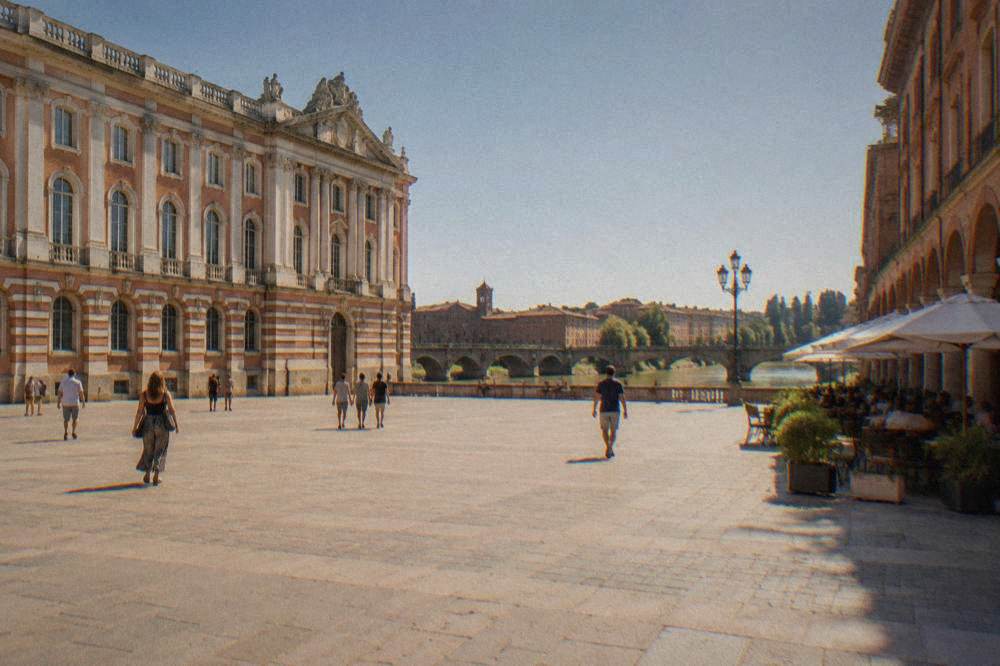
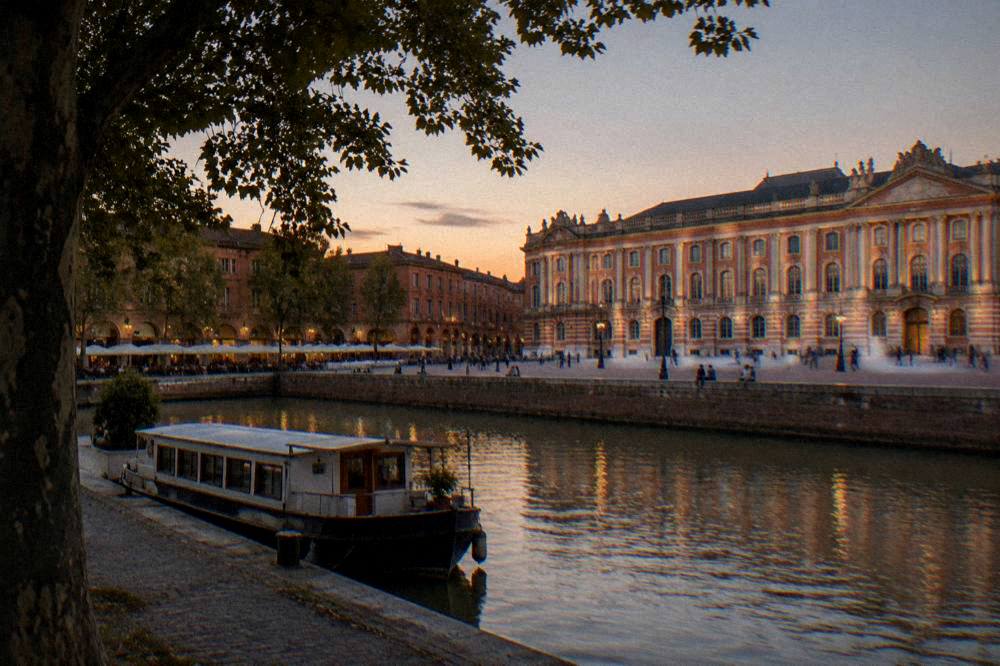
From the Jacobins it is a short walk to the Garonne. The Pont Neuf, the old bridge that took decades to finish and now frames every postcard of the city, is the viewpoint; the quays on either side are the promenade. The site's Garonne riverside and Pont Neuf pages cover both banks, and the Canal du Midi page explains why the canal, inscribed by UNESCO in 1996, is a destination in its own right rather than just a waterway.
The cruise choice is a genuine fork. The narrated Canal du Midi cruise runs on the canal itself, the UNESCO-listed waterway; the discovery cruise tours the historic center from the water. Both are short, both depart centrally, and the site's Canal du Midi boat trips page compares them properly. If you would rather stay dry, swap the cruise for the Musee des Augustins, the fine-arts museum in the former convent, whose Gothic halls reopen to the public on 3 October 2026 at 10:00 after works on the great cloister; the museum's page on this site tracks what is open when.
Evening: Dinner, The Lit Squares And Toulouse At Night
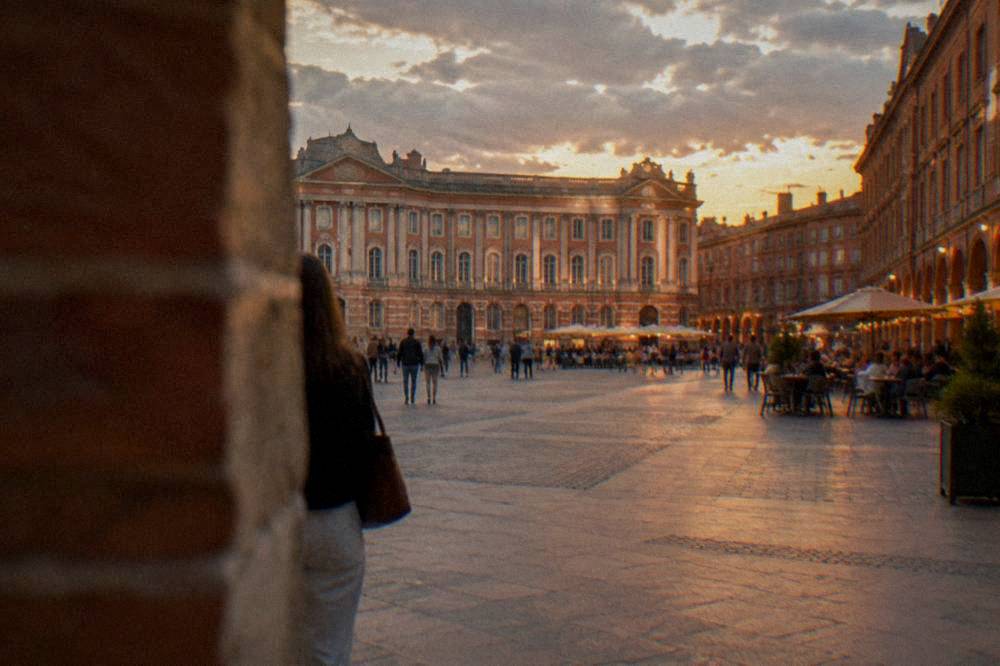
The evening is low-effort and high-return: the Place du Capitole and the rue du Taur hold their light after dusk, the Saint-Etienne quarter behind the cathedral carries the dinner crowd, and an aperitif cruise on the Garonne is the one night-specific activity that fits a single-day visit. Toulouse is not a late-monument city; the churches close, the squares stay open, and the evening is about tables and light on pink brick.
Dinner timing follows the local rhythm: kitchens open for the evening service in the early-to-mid evening, and the question of when Toulouse sits down to eat is answered on the site's dinner-hours page. For what to order, the Toulouse restaurants page sets out the practical choices without ranking addresses, and the Toulouse at night page extends this final stretch for anyone with a second evening.
The aperitif cruise is the one bookable evening product worth flagging for a one-day visitor: drinks included, departure from the central quays, and a view of the riverside lit up that the walking day cannot give you. It pairs with dinner rather than replacing it. The full index of guides sits on Toulouse Travel Guide.
How Much Does One Day In Toulouse Cost?
A one-day Toulouse budget is dominated by food and one or two admissions: a Tisseo day pass is EUR 7.20, the Couvent des Jacobins is EUR 5 at its normal rate, the Musee des Augustins is EUR 5, the bigger museums run EUR 12, and the Pass Tourisme at EUR 26 only pays off from the third paid activity onward. A walking day with a cruise and a cassoulet lunch sits in a comfortable middle band; a museum-heavy day is where the pass starts to earn its price.
The Tisseo fares, from the network's official catalogue, are fixed and simple:
| Tisseo ticket | Price |
|---|---|
| Single trip | EUR 1.90 |
| Single trip bought on board | EUR 2.50 |
| 10 trips | EUR 16.00 |
| Day pass ("Journee") | EUR 7.20 |
| 3-day pass | EUR 14.30 |
| Airport single (network + Navette aeroport) | EUR 9.50 |
For a one-day visitor staying in the center, the honest note is that you may not need any of these: the itinerary above is a walking day. The day pass earns its price only if you are staying out in the suburbs or adding a stop off the walking loop. There is no 2-day pass in the catalogue, so a two-day visitor chooses between two day passes and the 3-day pass at EUR 14.30, a comparison the site's getting around Toulouse page works through.
The Pass Tourisme, from the tourist office's own page, bundles the municipal museums:
| What the Pass Tourisme covers | Normal rate |
|---|---|
| Fondation Bemberg | EUR 12 |
| Museum de Toulouse | EUR 12 |
| Les Abattoirs | EUR 12 |
| Musee des Augustins | EUR 5 |
| Couvent des Jacobins | EUR 5 |
| Cite de l'espace | EUR 29 (discounted with the Pass, not free) |
The pass costs EUR 26 for stays of one to three days, includes one free guided tour from the tourist office, and adding EUR 10 buys ten public-transport trips. The arithmetic is the tourist office's own: it pays off from the third activity. A one-day visitor doing the Jacobins, one EUR 12 museum and the free guided tour is already at break-even; a one-day visitor doing the walking loop and one cruise is not, and should buy admissions singly. The site's Toulouse Pass Tourisme page runs the full comparison.
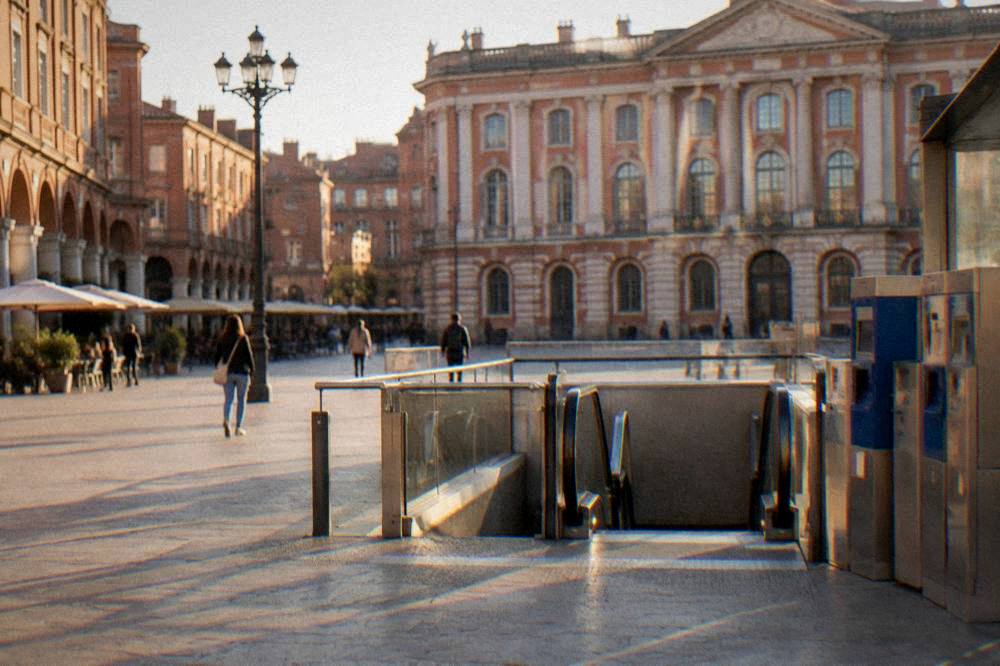
Two citywide costs complete the picture. Non-classified or pending-classification lodging, which covers most platform rentals, pays a tourist tax of 5% of the pre-tax nightly price per person under Toulouse Metropole's rule; no per-star flat rate is printed here. And if your one day starts at Toulouse-Blagnac airport, the Navette aeroport runs one departure every 15 minutes and takes 20 to 40 minutes to the center, with the single airport ticket at EUR 9.50; tram T2 to the airport has been closed since 5 June 2023 and stays closed until the end of 2026, so the bus is the plan. The site's Toulouse airport to city center page carries the full arrival picture.
What If You Have A Little More Than One Day?
If your one day stretches into a day and a half, spend the extra half on the aerospace cluster north of the city, Aeroscopia at EUR 16 adult admission or the Airbus factory tours at EUR 18 adult, and if it stretches into two, add a coach day trip to Carcassonne or Albi rather than thinning the city day. The aerospace side of Toulouse is the city's other identity, the industrial one, and it is the thing a rushed visitor most often regrets missing.
Aeroscopia, the aircraft museum next to the Airbus plant, is open daily 9:30-18:00 with last entry at 17:00, closed 25 December, 1 January and 7 May 2026, and its exhibition hall is not heated or air-conditioned, which matters for planning in the shoulder seasons. The Airbus factory tours themselves, run by Manatour, cover the A350 and the A321 in visits of 1h30 each, cost EUR 18 adult and EUR 15 reduced with free entry under 6, and carry a hard requirement worth repeating: an original passport or ID card, no photocopy, no phone image, and arrival 30 minutes early. The site's Aeroscopia and aerospace Toulouse pages carry the full practical detail.
| Aerospace visit | Adult price | Key condition |
|---|---|---|
| Aeroscopia admission | EUR 16 | Open daily 9:30-18:00, last entry 17:00 |
| Aeroscopia reduced | EUR 13 | Annual pass EUR 26, family pass EUR 80 |
| Airbus A350 factory tour (Manatour) | EUR 18 | Original passport or ID card required, arrive 30 min early |
| Airbus A321 factory tour (Manatour) | EUR 18 | Same ID requirement, no cameras or pets |
Carcassonne, the walled medieval city a short train ride away, is the classic second-day add-on, and Albi with its cathedral and the hilltop village of Cordes-sur-Ciel is the alternative. Both are mapped out on the site's day trips from Toulouse hub, with dedicated pages for Carcassonne, Albi and Cordes-sur-Ciel. If the extra time is a whole second or third day rather than a half, the site's 2 days in Toulouse and 3 days in Toulouse itineraries pick up exactly where this page stops.
When Should You Do This One Day?
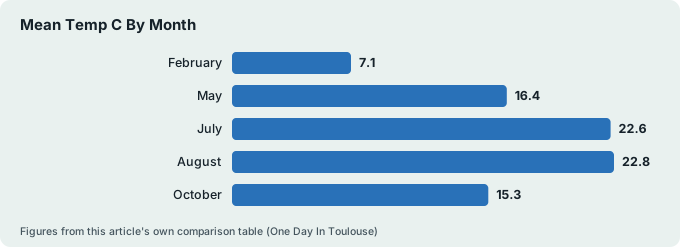
The calendar matters less in Toulouse than in most French cities, but the Meteo-France 1991-2020 normals carry one surprise: May is the wettest month at 73.6 mm of rain, wetter than any winter month, while July is the sunniest at 258.6 hours and gets just 40.1 mm, so the high-summer months are the statistically driest and sunniest window for a single walking day. February is the driest month at 37.2 mm, but it is also grey, with 118.2 hours of sun against July's 258.6.
| Month | Mean temp C | Rain mm | Sunshine hours |
|---|---|---|---|
| February | 7.1 | 37.2 | 118.2 |
| May | 16.4 | 73.6 | 212.3 |
| July | 22.6 | 40.1 | 258.6 |
| August | 22.8 | 44.6 | 246.4 |
| October | 15.3 | 54.3 | 155.2 |
The full monthly table and the reasoning by season sit on the site's best time to visit Toulouse page. For a one-day visit the practical read is this: any month works for the walking loop, the cruise and the museums; the late-spring months are the ones to check the forecast for, not the winter ones.
If your single day happens to fall on a festival date, it can absorb an hour without breaking. Piano aux Jacobins runs 8 to 30 September 2026, Toulouse les Orgues, the international organ festival, runs 7 to 18 October 2026 with its opening concert at Notre-Dame de la Daurade, and the Christmas markets on the Place du Capitole, the allees Jean-Jaures and the square Charles-de-Gaulle run 26 November to 27 December 2026. The site's Toulouse events page keeps the full calendar.
Common Questions About One Day In Toulouse
Quick answers to what planners ask most about a single day in the city.
Is one day enough for Toulouse?
One day covers the historic core: the Capitole, Saint-Sernin, the Jacobins, the Garonne quays and a cassoulet lunch, plus one paid extra such as a canal cruise or a museum. It does not cover the aerospace cluster or any day trip; those need a second day, and the site's two-day itinerary adds them.
Is Toulouse a walkable city for a one-day visit?
Yes. Everything on this itinerary sits inside a compact loop in the historic center, and the day needs no transit beyond, optionally, a Tisseo day pass at EUR 7.20. The walking-tours comparison on this site covers guided options for visitors who prefer a guide.
What is the one dish to eat in Toulouse?
Cassoulet, the slow-cooked bean and meat casserole built around the local Toulouse sausage. Order it once at a proper midday sitting near the Victor Hugo market rather than three times in indifferent versions; the site's cassoulet page explains the dish and its traditions.
Should I buy the Pass Tourisme for one day?
Only if you will visit three or more paid sites: the tourist office's own arithmetic is that the EUR 26 pass pays off from the third activity, and it includes one free guided tour. A walking day with one cruise and one EUR 5 admission is cheaper without it.
What if it rains on my one day?
Swap the quays and the cruise for the museums: the Musee des Augustins, the Fondation Bemberg and Les Abattoirs are the indoor anchors, and the site's rainy day itinerary rebuilds the day around them.
A single day in Toulouse, walked in this order, gives you the pink brick, the pilgrimage church, the palm vault, the river and the cassoulet, and it leaves the aerospace city and the hill towns waiting for a return trip.