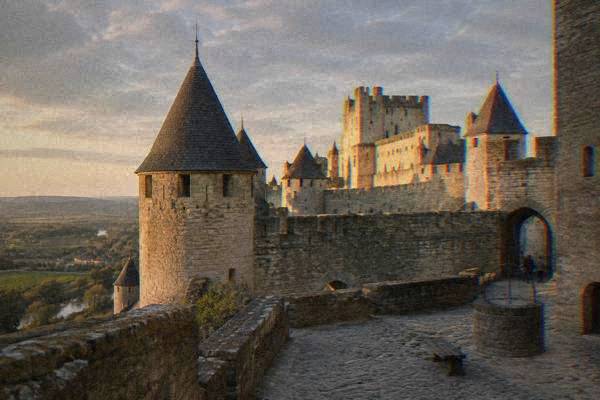
What Food Is Carcassonne Famous For?
Carcassonne, the walled city in southwestern France near Toulouse, is famous for cassoulet and the hearty country cooking of Languedoc. Here is what to order, what to pair it with, and how to plan the food trip.
Carcassonne, the walled medieval city in the Aude department of southwestern France, sits a short train ride from Toulouse and shares its food culture with the whole Languedoc region. The name that dominates every menu board in the citadel is cassoulet, the slow-cooked casserole of white beans, duck confit, pork and sausage that this part of France treats as a point of honor. But the city's table is wider than one dish, and the surrounding Corbieres hills add wines that belong on the same plate.
What Food Is Carcassonne Famous For?
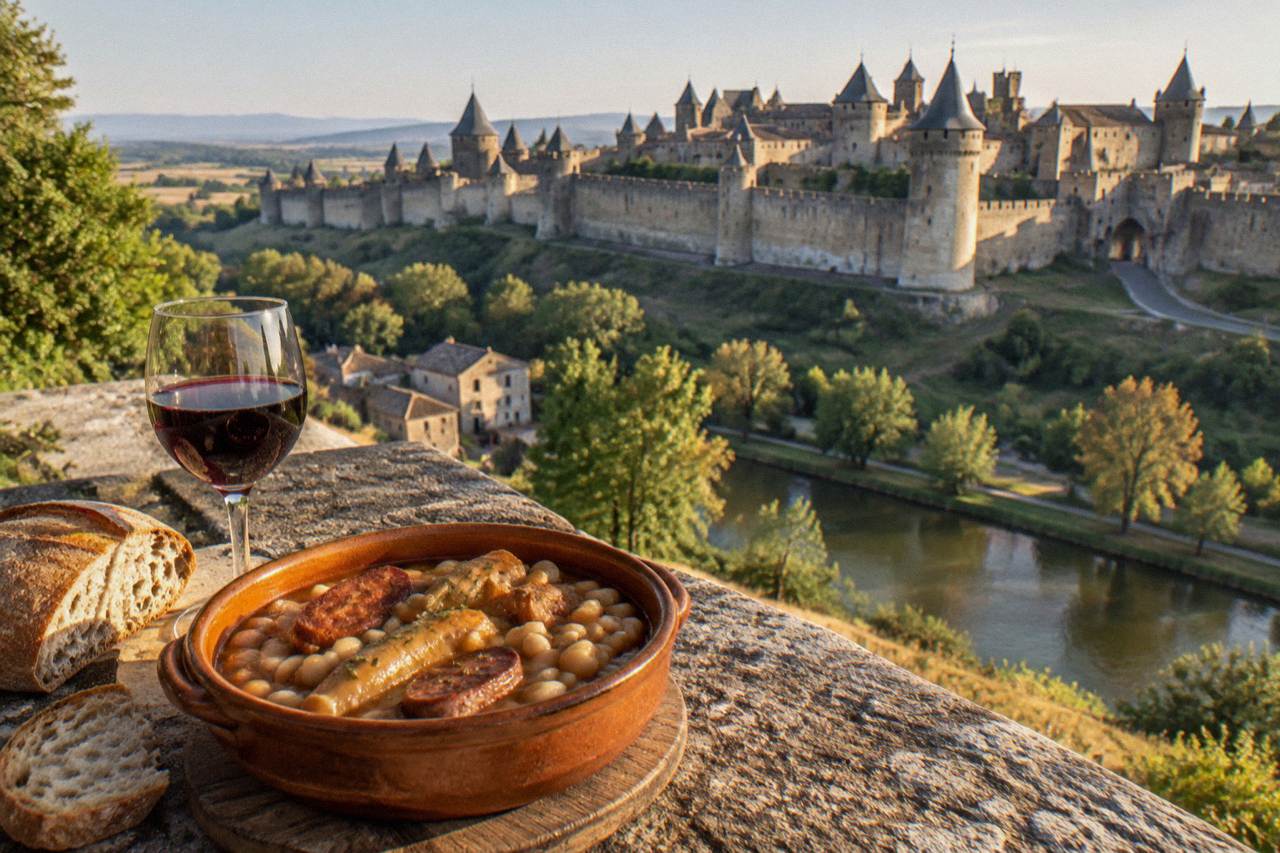
Carcassonne is famous for cassoulet, the baked casserole of white haricot beans, duck confit, pork shoulder and Toulouse sausage that Languedoc claims as its own, and for the hearty country cooking around it: duck and goose products, charcuterie, and the red wines of the nearby Corbieres hills. The dish is so tied to the city that restaurants inside the walls compete over it.
Cassoulet is the headline. The beans are the base, the meats are the argument, and the clay dish they are baked in, the cassole, gives the whole thing its name. Every kitchen in the region guards its own proportions, and the debate over which town invented it has never been settled. In Carcassonne the versions lean toward duck confit and local sausage, and the restaurants inside the fortified walls serve it year-round to travelers who arrive knowing exactly what they came to eat.
Around the cassoulet sits the rest of the Languedoc larder. Duck and goose appear as confit, as preserved gizzards, and as foie gras. Charcuterie boards carry dried sausages and hams from the surrounding countryside. The markets of the lower town sell the same beans and preserved meats that go into the pot, so a visitor can bring the raw materials home. For the wider context of the city itself, see why Carcassonne is so famous.
The city also belongs to a wider network of famous food towns in the region. Toulouse, the pink-brick regional capital, anchors the same tradition from the north, and the question of what the wider area is known for is covered in why Toulouse is so famous.
Where Does Cassoulet Actually Come From: Carcassonne, Castelnaudary Or Toulouse?
Three towns claim cassoulet and none of the claims can be settled: Castelnaudary calls itself the birthplace, Carcassonne insists on its duck-heavy version, and Toulouse defends its own recipe built around Toulouse sausage and confit. All three sit within the same Languedoc bean-and-pork tradition, and all three cook it with total conviction.
The rivalry is part of the pleasure. Castelnaudary, west of Carcassonne, positions itself as the reference point and hosts the dish with the most ceremony. Carcassonne's version is the one visitors actually taste, because the walled city draws the crowds and its kitchens serve the pot daily. Toulouse, the regional capital, brings its own sausage to the argument, and the city's food culture leans on the same duck confit that holds the Carcassonne version together. The full anatomy of the dish, bean by bean, is unpacked in what exactly is a cassoulet.
No food authority will crown a winner, and that is fine. A traveler based in Toulouse can taste the Toulouse version at home, then ride the short train to Carcassonne and compare. The comparison is a genuine regional sport: locals will tell you the beans must be from Castelnaudary, the confit from the farm down the road, and the sausage from their own butcher, and they will say it with the confidence of people who have eaten the dish weekly their whole lives.
If you want the comparison to start on the right foot, the Toulouse side of the table is easiest to explore with a guide.
What To Order In And Around The Walled City
Order cassoulet first, then work outward: duck confit and preserved duck products, local sausages and charcuterie, foie gras from the region, and seasonal country dishes such as game and root vegetables. The red wines of the Corbieres hills, grown in sight of the city's towers, belong on the table alongside all of it.
The list below is what the region's tables are known for. No single restaurant has been ranked or priced here, because the honest advice is to look for these names on menus and let the kitchen do the rest.
| Dish Or Product | What It Is | How It Fits The Local Table |
|---|---|---|
| Cassoulet | White beans baked slowly with duck confit, pork and sausage in a clay cassole | The signature dish of Carcassonne and the whole Languedoc triangle |
| Duck confit | Duck leg preserved and cured in its own fat | The backbone meat of the Carcassonne cassoulet, also served on its own |
| Toulouse sausage | A coarse, fresh pork sausage | The defining meat of the Toulouse version of the dish |
| Foie gras | Goose or duck liver preparation from the region | Served as a starter across the southwest |
| Charcuterie | Dried sausages and hams from the surrounding countryside | Standard board to share before the main course |
| Corbieres red | Red wine from the hills southeast of the city | The local pour alongside cassoulet and duck |
The markets of the lower town carry the same ingredients, so the shopping and the eating point in the same direction. Preserved duck, sausages and the beans themselves all travel well, which is why so visitors leave with a bag of the raw materials. The wider food culture of the regional capital, from markets to sausage, is covered in the Toulouse food guide.
One practical note on planning: cassoulet is a cold-weather dish at heart, and the region's climate shapes when eating here is most pleasant. Meteo-France's 1991-2020 normals for Toulouse-Blagnac, the nearest reference station, show what the seasons actually do.
| Month | Mean Temperature (C) | Rainfall (mm) |
|---|---|---|
| January | 6.3 | 52.5 |
| April | 12.7 | 65.2 |
| May | 16.4 | 73.6 |
| July | 22.6 | 40.1 |
| August | 22.8 | 44.6 |
| October | 15.3 | 54.3 |
May is the wettest month of the year at 73.6 mm, and the summer months are drier and warmer, with July the sunniest at 258.6 hours of sunshine. A shoulder-season visit pairs comfortably with the heaviest plates.
Which Wines And Drinks Belong With Carcassonne Food?
The red wines of the Corbieres hills, grown in the countryside southeast of Carcassonne, are the classic local pour for cassoulet and duck, and the wider Languedoc region supplies full-bodied reds and whites that stand up to the food. For something softer, the region also turns out sweet and sparkling options worth trying after the main course.
Cassoulet is rich, and it asks for a wine with enough structure to cut through the fat. The Corbieres appellation, in the hills you can see from the city's outer walls, is the local answer, and the region's other reds and whites do the same job. The question of what to drink across the wider region, including what Toulouse itself is known for pouring, is answered in what drink Toulouse is famous for.
Ordering is simple in practice. Ask for a local red with the cassoulet, and let the restaurant suggest the rest. The servers inside the walled city answer this question every day of the season, and the honest move is to take the pairing that comes with the house's own version of the dish.
A note on pacing, because it matters with food this heavy: cassoulet is served at lunch and dinner, but a midday portion leaves the afternoon for walking the ramparts and working up an appetite again by evening. Splitting the day between one serious meal and lighter market snacks is the pattern that lets you taste more without surrendering to the beans.
How Do You Plan A Food Trip To Carcassonne From Toulouse?
Base yourself in Toulouse, eat your way through its markets and food tours, then take the short train ride to Carcassonne for the cassoulet, allowing at least a full day inside and around the walled city. A day trip covers the citadel and one long lunch, while an overnight stay lets you taste the lower town's markets too.
Toulouse is the natural base. The city's own food culture, from the Victor Hugo market to its sausage and cassoulet tradition, is the training ground, and the walled city is an easy excursion from there. The full case for the day trip, including what else the Aude holds beyond the walls, is laid out in the Carcassonne day trip guide. For travelers weighing whether the journey rewards the effort at all, the verdict sits in is Carcassonne in France worth visiting.
A guided food walk in Toulouse is the best warm-up on the Toulouse side of the table. The guided food tour with tastings moves through the city's food stops with a local guide, and it pairs naturally with a Carcassonne excursion the next day. Check availability
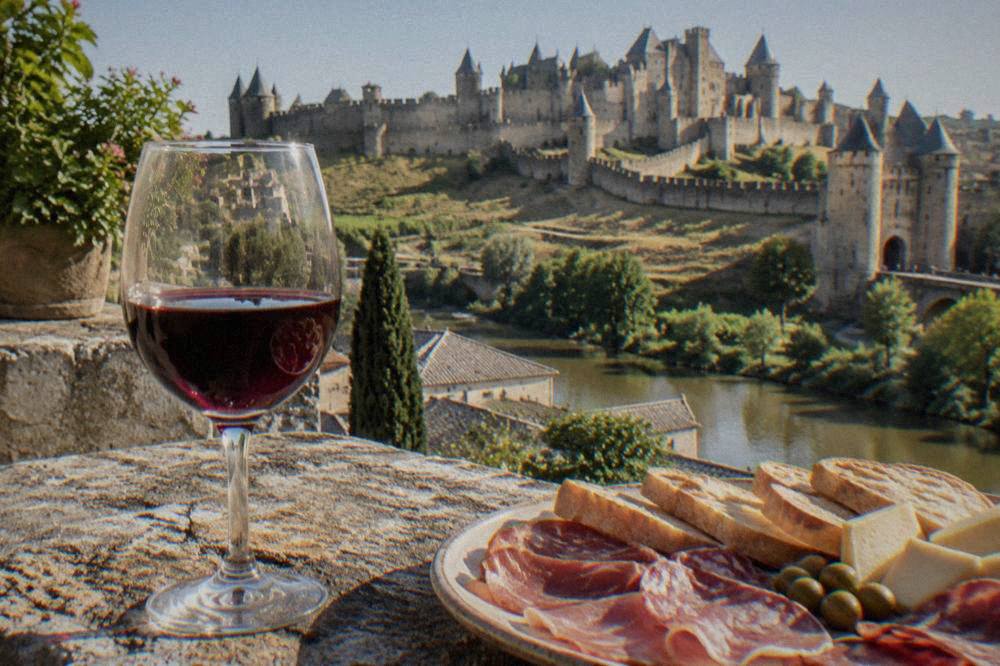
If you would rather have the whole day arranged, a guided excursion from Toulouse handles the drive and the timing, which matters when the goal is a long, unhurried lunch inside the walls. This site, Toulouse Travel Guide, keeps the full set of options in one place.
Prefer the whole day arranged for you? Book a Carcassonne day trip here.
Common Questions About Carcassonne Food
Quick answers to what planners ask most about eating in Carcassonne.
What Food Is Carcassonne Famous For?
Cassoulet, the slow-baked casserole of white beans, duck confit, pork and sausage, is the dish the city is famous for, supported by duck and goose products, charcuterie, foie gras and the red wines of the nearby Corbieres hills.
Is Carcassonne The Birthplace Of Cassoulet?
Carcassonne is one of three towns that claim the dish, alongside Castelnaudary and Toulouse. No claim has ever been settled, and all three versions share the same beans, confit and pork tradition with different proportions.
What Wine Should You Drink With Cassoulet In Carcassonne?
A structured local red is the classic answer, and the Corbieres hills southeast of the city supply the nearest one. Ask the restaurant for the pairing that matches their own version of the dish.
Can You Visit Carcassonne As A Food Day Trip From Toulouse?
Yes. The walled city is a short train ride from Toulouse, and a full day covers the citadel and a long lunch. An overnight stay adds the lower town's markets and a second, slower dinner.
What Should You Bring Home From Carcassonne?
The raw materials travel well: the white beans for cassoulet, preserved duck confit, local sausages and charcuterie, and bottles of Corbieres red, all sold in the markets and shops of the lower town.