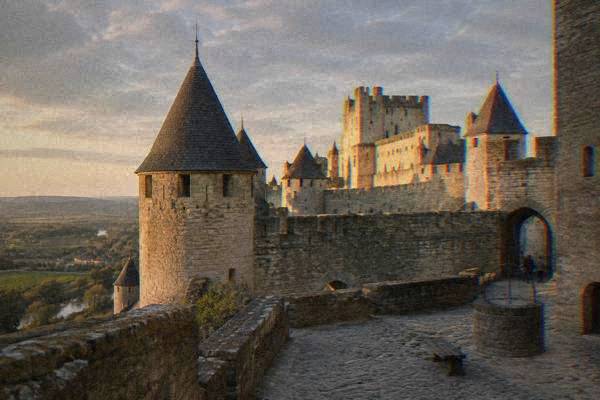
Is Carcassonne In France Worth Visiting?
A straight answer on whether the walled city of Carcassonne deserves a place in a Toulouse trip, with honest notes on getting there, what to expect inside the walls, and how to plan the day.
Carcassonne is the fortified city on the hill that appears on half the postcards of southern France, and it sits west of Toulouse, the pink-brick prefecture of Haute-Garonne in the Occitanie region, within reach of a single day out. Travellers building a Toulouse itinerary ask the same question over and over: the walls look spectacular in photos, but is the reality worth a day of a short trip? The honest answer is yes for most itineraries, with conditions. This page lays out what the Cite actually offers, how the day-trip logistics work from Toulouse, and who should skip it.
Is Carcassonne In France Worth Visiting?
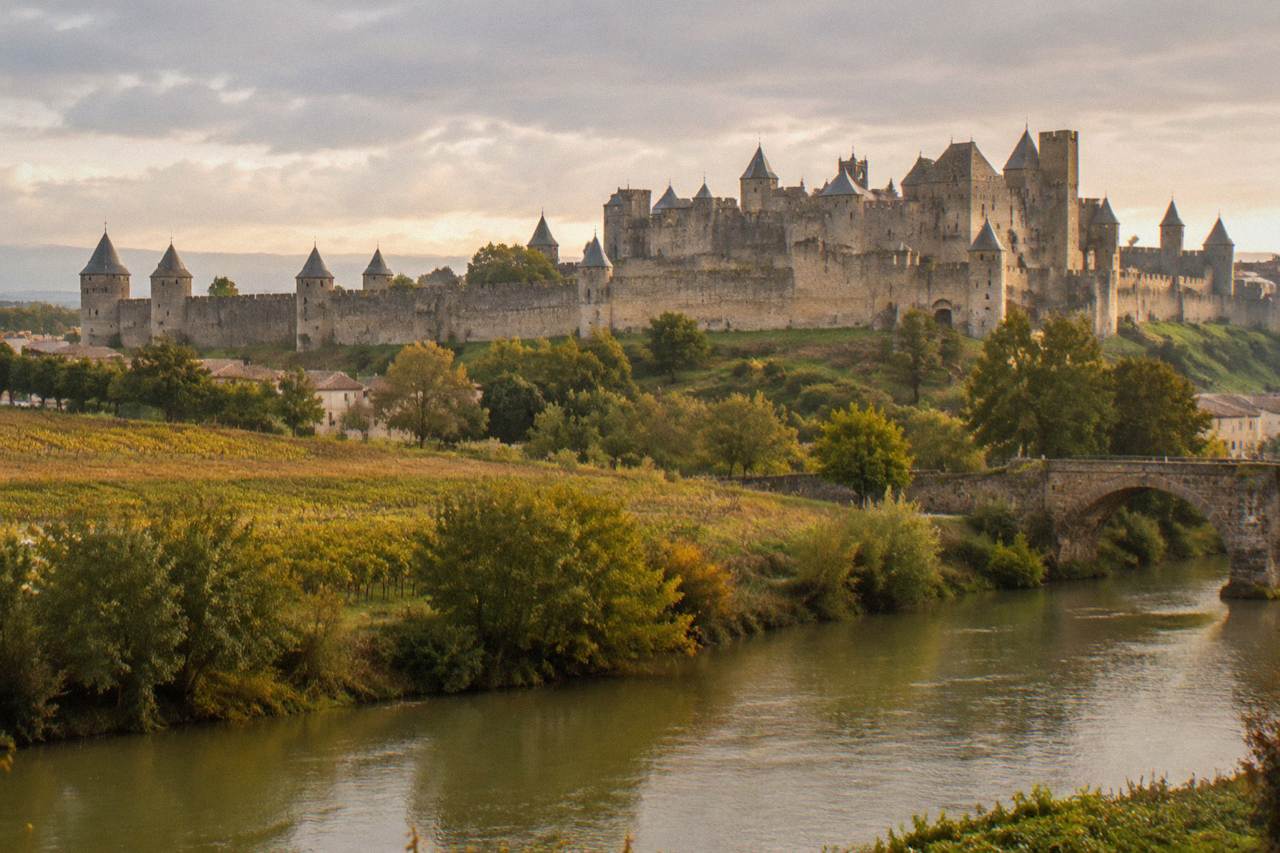
Yes, Carcassonne is worth visiting for the large majority of travellers who are already based in Toulouse or passing through the region, because the walled Cite is a genuinely rare thing: a complete fortified medieval city with towers, ramparts and a chateau that you can walk through end to end. The caveat is that it rewards a planned visit, an early start or a guided route, far more than a rushed afternoon arrival.
The reason the question gets asked so often is that Carcassonne has a reputation problem alongside its beauty. The Cite is famous, it draws heavy foot traffic in the middle of the day, and the streets inside the walls hold a lot of shops and restaurants aimed squarely at visitors. None of that makes it a tourist trap in the dismissive sense. The walls, the chateau and the basilica are real, the views over the surrounding country are real, and the scale of the fortifications is the kind of thing that photographs undersell rather than oversell.
The verdict depends on what a trip is for. A traveller with two days in Toulouse and a tight list of city priorities may get more from a second day of pink-brick streets, the Capitole and the Garonne banks. A traveller with three days or more, or anyone with an interest in medieval history, should treat Carcassonne as the obvious first excursion from the city. It is the single most distinctive day trip on Toulouse's western side.
This site's longer profiles cover the background in detail: why Carcassonne is so famous and the full day-trip guide from Toulouse. This page sticks to the decision itself.
How Do You Get From Toulouse To Carcassonne?
There are three practical ways to reach Carcassonne from Toulouse: a direct train from Toulouse-Matabiau, a coach excursion with an audio guide, and a private or small-group day trip that handles transport and guiding in one package. All three work as a there-and-back day. The train is the flexible option for independent travellers, while the tours remove every planning decision.
The train needs a caveat on this site: no official timetable figure could be confirmed for the Toulouse to Carcassonne route, so no journey time is printed here. What can be said is that a direct train connects the two cities, and the station in Carcassonne sits below the hill, from where the Cite is a walk or a short local connection away. Anyone going independently should check the current schedule on the operator's own site before committing the day.
The guided options come into their own for travellers who would rather not manage a rail day in French. A coach day trip runs from Toulouse with an audio guide on board, covering the drive and orientation. A private format goes further, with a guide whose focus is the castle and the crusade history of the region. Both are bookable products, so their prices and ratings render on their own cards rather than in this prose.
| Option | What it involves | Best suited to |
|---|---|---|
| Direct train from Toulouse-Matabiau | Independent travel, own pace inside the walls | Confident travellers who want flexibility |
| Coach day trip with audio guide | Round-trip transport plus recorded commentary | First-time visitors who want a simple day |
| Private or small-group day trip | Transport plus a live guide focused on the castle and crusades | History fans and families |
For anyone weighing the guided route against the train, the deciding factors are usually language and appetite for logistics. A guided day costs more but delivers the history in context, which matters at Carcassonne because the fortifications make far more sense with the story attached. The independent route buys freedom: a late lunch in the lower town, an extra hour on the ramparts, a departure that fits the day rather than a coach schedule.
What Makes The Walled City Worth The Trip?
The core of Carcassonne's appeal is completeness: the Cite is a full fortified city, with a double line of ramparts, towers, a chateau and a basilica, all walkable in one visit. Few places in Europe let you cross a bridge, pass through a gate and move through an entire defended medieval town. That completeness, not any single monument inside, is what justifies the journey.
Inside the walls, the visit splits naturally into layers. The streets and squares are free to wander, and they carry the atmosphere: cobbled lanes, stone facades, towers closing the view at every end of a street. The chateau and the ramparts are the paid, ticketed part of the visit, and they are where the walls themselves become the attraction, with walkways and views out over the Aude country below. The basilica rounds out the set, and its interior is part of what separates Carcassonne from a purely military site.
What surprises some visitors is how compact the whole thing is once you are inside. The Cite is not a large town; it is a dense, walled core that can be crossed on foot without effort. That compactness is a strength for a day trip. It means a morning arrival can cover the walls and the chateau at a proper pace, leave time for a long lunch, and still return to Toulouse without the day feeling like a marathon.
The honest counterweight is the commercial layer. The streets inside the walls are lined with shops, and the middle of the day brings the heaviest flow of visitors off the coaches and trains. The standard advice holds: go early, walk the walls before the crowds build, and use the afternoon for the lower town or the views from outside the fortifications. The site's walkability guide to Carcassonne covers how the upper and lower towns connect on foot.
For travellers who want the history delivered rather than read off a phone, the private crusades-focused day trip is this site's featured product for the destination. It pairs transport from Toulouse with a guide whose whole framing is the castle and the medieval story, and it can be checked here: Check availability.
Should You Day-Trip Or Stay Overnight?
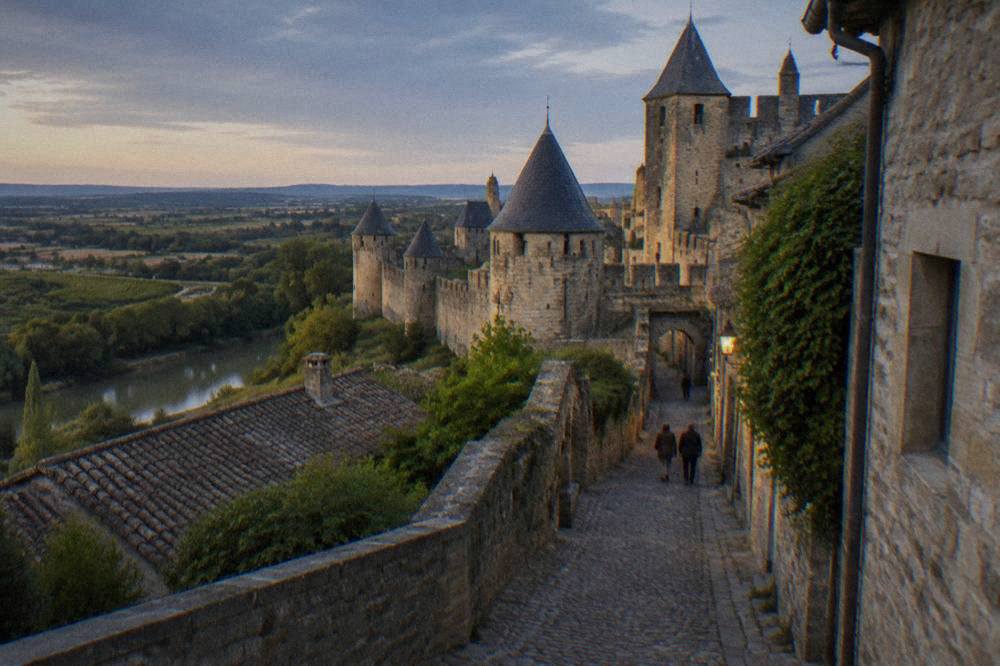
A day trip from Toulouse is enough to see the Cite properly, and for most travellers it is the right call, because the essentials, the walls, the chateau and the basilica, fit inside one well-planned day. An overnight stay adds a different experience: the fortified city after the day visitors leave, when the streets quiet down and the walls are lit for the evening.
The overnight option deserves more attention than it gets. Carcassonne's atmosphere changes sharply once the excursion traffic drains away in the late afternoon, and an evening walk along the outer ramparts is the version of the city that day-trippers never see. Staying inside the walls is possible, and this site covers the options for sleeping within the fortifications in a dedicated answer. The trade is cost and availability: rooms inside a famous walled city are in demand, and the lower town offers more choice at gentler prices.
For a typical Toulouse trip of three or four days, though, the day trip remains the sensible default. It costs one morning start, it returns you to Toulouse for dinner, and it leaves the rest of the itinerary intact. The overnight version earns its place on longer regional trips, or for travellers who specifically want the evening and early-morning city. The rest of the planning pages sit on Toulouse Travel Guide.
| Plan | What you get | What it costs you |
|---|---|---|
| Day trip from Toulouse | Walls, chateau and basilica in one planned day | An early start and one full day of the itinerary |
| Overnight in or near the Cite | The evening city after the crowds leave, plus a relaxed morning | A night's budget and a slower second day |
| Half-day dash | A quick look at the streets and views | Rushed walls and a thin sense of the place |
Who Should Skip Carcassonne, And Who Should Not?
Skip Carcassonne if the trip is short, city-focused and already full: with only two days in Toulouse, the pink-brick city itself deserves both of them. Do not skip it if the trip runs three days or more, if medieval history is a draw, or if this is the one chance to see a complete fortified city in Europe. The longer the trip, the weaker the case for missing it.
The profile of the traveller who regrets the visit is specific: someone who arrives at midday, fights the peak flow of visitors, sees a street of souvenir shops and leaves before the walls have said anything. That is a planning failure, not a verdict on the place. The same traveller starting at the gates in the morning, walking the ramparts first and saving the shopping streets for later tends to come away calling Carcassonne a highlight.
Families generally do well here. The walls are a physical, walkable adventure for children, and the scale of the fortifications lands on kids in a way that museum galleries rarely do. The coach and private day-trip formats both work for family logistics, since neither requires the adults to manage a rail connection at both ends of the day.
The food angle is its own reason to go. The region around Carcassonne shares its table with Toulouse's cassoulet country, and the local plates hold their own: the site's guide to what food Carcassonne is famous for covers what to order once you are inside the walls. Pairing the walls with a proper regional lunch turns a sightseeing day into a full day out.
How Does Carcassonne Compare With Toulouse's Other Day Trips?
Carcassonne is the strongest day trip from Toulouse for a first visit, because nothing else within the same radius delivers a complete fortified city, and the journey logistics are simple. Albi and Cordes-sur-Ciel to the northeast compete on beauty and quieter streets, while the Canal du Midi offers a slower, water-based day. Carcassonne wins on spectacle; the alternatives win on calm.
The comparison matters because Toulouse is unusually rich in excursions. The Albi and Cordes day trips route through a UNESCO-listed cathedral town and a clifftop village, and they draw travellers who want the region's quieter register. The canal trips, including cruises on the UNESCO-listed Canal du Midi, keep the day close to the city and the water. The choice between them is a choice of mood more than merit.
A reasonable pattern for a week in the region is to take Carcassonne first, while energy is high and the spectacle is the priority, then follow with Albi or the canal on a slower day. Travellers who can only take one excursion should take Carcassonne unless they already know they prefer villages and riverbanks to walls and towers.
| Excursion from Toulouse | Character of the day | Pick it when |
|---|---|---|
| Carcassonne | A complete fortified city, walls, chateau and basilica | Spectacle and medieval history are the priority |
| Albi and Cordes-sur-Ciel | Cathedral town and clifftop village | You want beauty with fewer visitors |
| Canal du Midi cruise | A slow water day near the city | The legs need a rest |
Whatever the choice, the practical pages on this site hold the detail: the signature dish of Toulouse for the food angle back in the city, and the guide to how many days Toulouse needs for fitting excursions into the itinerary. The planning rule that matters is simple: book the Carcassonne day before the trip starts, not the night before, because the guided formats fill on peak days.
Common Questions About Visiting Carcassonne
Quick answers to what planners ask most about the walled city and the day out from Toulouse.
Is Carcassonne In France Worth Visiting?
Yes. For a trip of three days or more in Toulouse, Carcassonne is the obvious first excursion: a complete fortified medieval city with ramparts, towers, a chateau and a basilica, all walkable in a day. Only travellers on a very short, city-focused itinerary should leave it off, and even then it is the first thing to add if a day frees up.
Can You Visit Carcassonne As A Day Trip From Toulouse?
Yes. A direct train links the two cities, and several guided day trips run from Toulouse, from a coach format with audio commentary to private tours built around the castle and crusade history. The essentials fit comfortably inside one planned day.
Is Carcassonne A Walkable City?
The Cite itself is fully walkable and compact, with the walls, chateau and basilica connected by cobbled lanes on foot. The lower town sits below the hill and connects to the Cite on foot too. This site's dedicated walkability answer covers the terrain in detail.
Can You Stay Overnight Inside The Walls Of Carcassonne?
Yes, accommodation exists inside the fortifications, though rooms are in demand and prices reflect it. Staying overnight buys the evening city after the day visitors leave, when the streets quiet down and the walls take on a different character.
What Food Is Carcassonne Famous For?
The region shares its table with cassoulet country, and the restaurants in and around the Cite serve the hearty regional plates of southwestern France. The site's food guide to Carcassonne lists what to order once you are there.
Was A Movie Filmed At Carcassonne?
Yes, the fortified city has appeared in film and television, which is part of why its silhouette is so widely recognised. This site carries a dedicated answer on the movies filmed at Carcassonne for the full story.
The short version of this whole page: if Toulouse is the base and the trip allows a day out, the walled city on the hill is worth the journey, and a morning start with a planned route turns it from a checkbox into the day you talk about afterwards.