Toulouse Lgbt
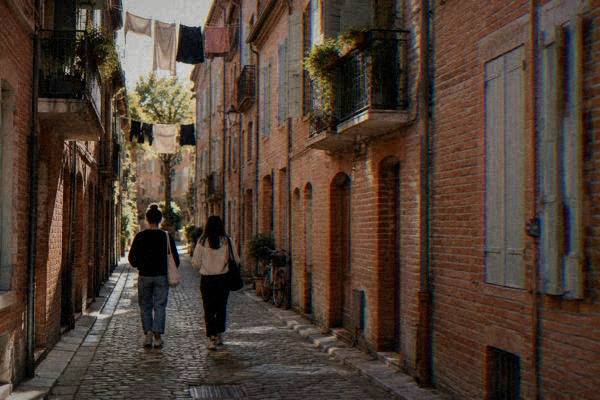
Toulouse, the pink-brick city on the Garonne in southwestern France, has a relaxed, student-heavy atmosphere and a compact center that makes it an easy LGBT city break.
Short answer
Toulouse is a friendly, low-drama city for LGBT travelers: a big student population, a walkable historic center, and a social scene that clusters around the Capitole and the riverside. There is no single official gay district, so this guide covers where the nightlife sits, what the museums and transport really cost, and how to plan the trip.
Toulouse, the pink-brick city on the Garonne in the Occitanie region of southwestern France, is one of the country's most relaxed cities to visit as an LGBT traveler. The commune counted 514,819 inhabitants at the last INSEE figure, a large share of them students, and that shows in the atmosphere: late dinners, busy squares, and a center you can walk across without ever really needing a taxi. This guide from Toulouse Travel Guide covers what the city offers in practice, where the nightlife sits, what things cost, and how to build a trip around it.
Is Toulouse A Friendly City For LGBT Travelers?
Yes. Toulouse is widely regarded as one of France's easier-going cities for LGBT visitors, with a large student population, a compact walkable center, and a social culture built around long terrace evenings rather than rigid scenes. France legalized same-sex marriage nationwide, and the city's day-to-day atmosphere reflects that normality.
That said, honesty matters more than hype. What the record does support: Toulouse is a university city with a young population, an inland climate that averages 2,075.1 hours of sun a year, and a city center where the main sights, from the Capitole to the Garonne, sit within walking distance of each other. For a broader first-timer's view, see our guide to whether Toulouse is worth visiting and our rundown of what Toulouse is famous for.
The practical takeaway for LGBT travelers is that Toulouse rewards the same planning as any French city break: book a central base, learn a handful of transport prices, and treat the evening as the main event. The city's nickname, La Ville Rose, comes from its pink brick, and the nickname has long carried a warm double meaning for visitors. If you want a deeper look at the city's character before committing, read where Toulouse is and how it fits together.
There is a second, quieter reason the city suits this kind of trip: scale. Everything worth seeing in the center sits close together, which means less time underground between stops and more time actually in the streets, on the squares, and at the tables. Cities that force you onto late-night transport to get home tend to make evenings feel like logistics; Toulouse does the opposite. You pick a base near the Capitole or the river, and the whole evening unfolds on foot.
Where Is The Nightlife In Toulouse?
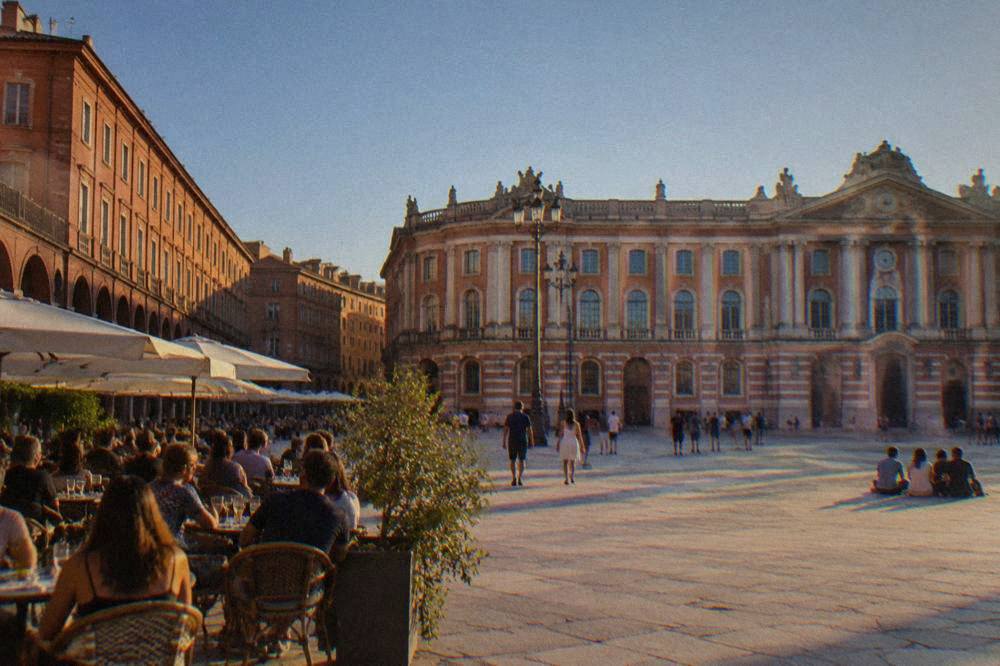
Toulouse's nightlife concentrates in the historic center around the Capitole, Saint-Etienne, and the streets running down to the Garonne, with the busiest evenings Thursday through Saturday. The city has no single official gay district on the record, and specific venues change often enough that checking current listings on arrival is the honest advice.
For an evening led by someone who knows the local bottles, book a wine bar tour here.
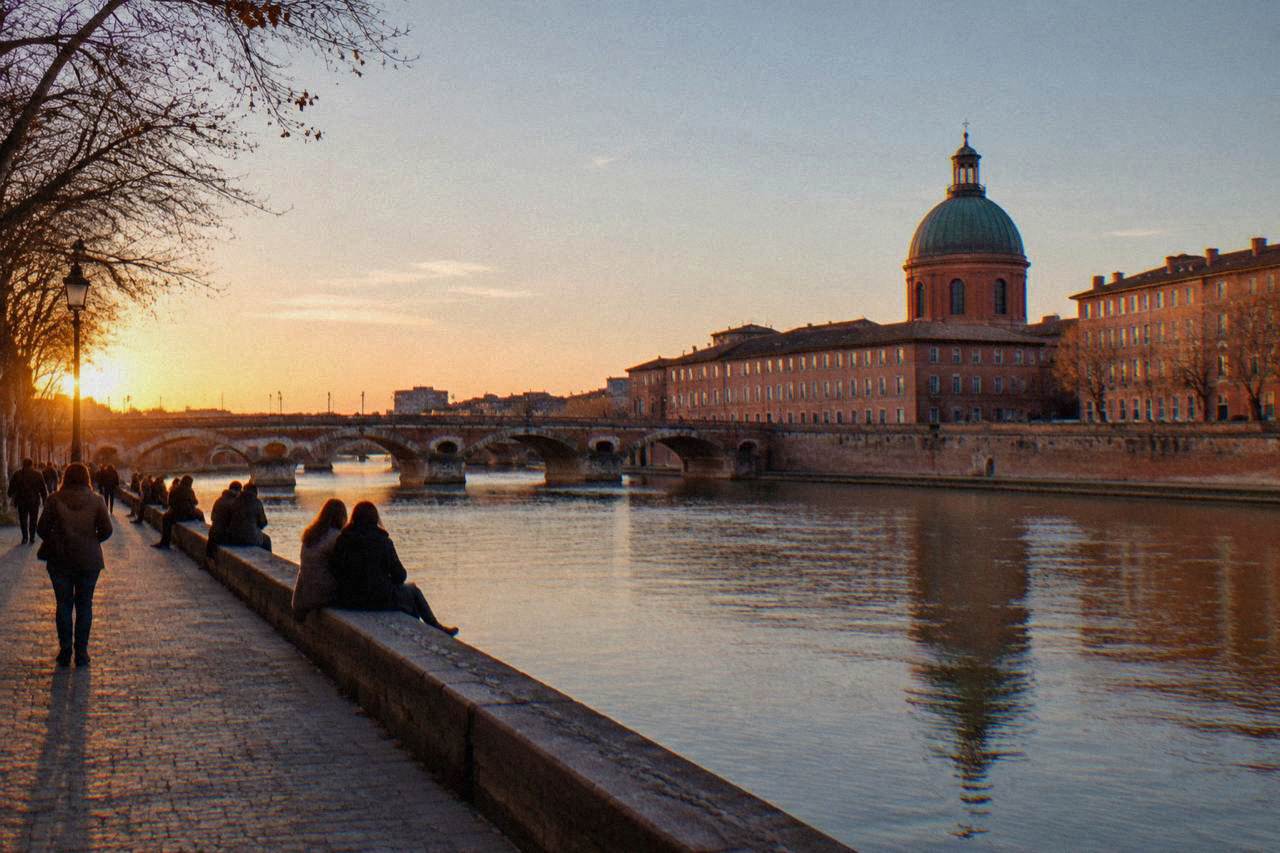
A night out here is more terrace-then-bar than megaclub, and the riverside near the Pont Neuf is the classic evening stroll before dinner. Dinner itself runs late by northern European habits, and our Toulouse restaurants guide covers the food side of the evening, while the Toulouse food guide explains what to order once you are seated.
For moving around after dark, these are the Tisseo fares from the operator's own catalogue:
| Ticket | Price | Notes |
|---|---|---|
| Single trip | EUR 1.90 | Bought in advance |
| Single trip, last minute on board | EUR 2.50 | The more expensive option |
| 10 trips | EUR 16.00 | Suits a longer stay |
| Day pass | EUR 7.20 | Unlimited travel for one day |
| 3-day pass | EUR 14.30 | There is no 2-day pass |
| Airport single | EUR 9.50 | Tisseo network plus Navette aeroport |
The pattern worth noticing in that table is how little a night out costs to move around. If you stay central you may spend nothing at all on transport in the evening, and even a night that ranges across the center and back over the river rarely needs more than one or two single tickets. The 3-day pass at EUR 14.30 only makes sense if you are genuinely riding the network every day; for a nightlife-first trip with a central hotel, singles and the occasional day pass are the better buy.
One transport warning that matters for arrival planning: the tram T2 to Toulouse-Blagnac airport has been closed since 5 June 2023 and stays closed until the end of 2026 because of the metro Line C works. The airport bus, the Navette aeroport, runs one departure every 15 minutes and takes 20 to 40 minutes to the center, or about 25 minutes to the Matabiau bus station. Never plan on the tram. Full details are in our airport to city center guide and the Toulouse airport guide.
What Should You Do During The Day In Toulouse?
Days in Toulouse belong to the pink-brick sights: the Capitole, the Basilique Saint-Sernin, the Couvent des Jacobins, and the Garonne riverside, all walkable from the center. The Basilique Saint-Sernin is part of the UNESCO-listed Routes of Santiago de Compostela in France, inscribed in 1998, and the Canal du Midi, which begins here, has been UNESCO-listed since 1996.
A self-guided option suits travelers who want the city at their own pace: the Discover Toulouse Self-Guided Audio Tour of the Pink City covers the center's story through headphones, with no group and no schedule to keep. You can read more about it on its tour page, or Check availability at the operator's live listing.
The museum side of the city is genuinely good value. The tourist office's Pass Tourisme page lists normal entry rates, and several of the big names are cheap or free with the pass:
| Museum Or Monument | Normal Rate | With Pass Tourisme |
|---|---|---|
| Fondation Bemberg | EUR 12 | Free |
| Museum de Toulouse | EUR 12 | Free |
| Les Abattoirs | EUR 12 | Free |
| Musee des Augustins | EUR 5 | Free |
| Couvent des Jacobins | EUR 5 | Free |
| Cite de l'espace | EUR 29 | Discounted, not free |
Two timing warnings from the official pages. The Musee des Augustins is temporarily closed from 21 September to 2 October 2026 for great-closter works, and its Gothic halls, the sacristy, the Notre-Dame de Pitie hall, and the chapter house, reopen on 3 October 2026 from 10:00. The Couvent des Jacobins is free on the first Sunday of the month, except when a temporary exhibition is on. Our Toulouse museums guide goes deeper on all of them.
The pass itself costs EUR 26 for stays of one to three days, and the tourist office states it pays off from the third activity; adding EUR 10 buys ten public-transport trips. The full math is in our Pass Tourisme guide.
For a rough sense of how a pass day stacks up against pay-as-you-go, the arithmetic is simple: three paid museums from the table above at their normal rates already exceed the EUR 26 pass price, and the free guided tour from the tourist office comes on top. If your daytime plan is mostly walking the streets and one museum, skip the pass and buy entries individually. If you intend to work through the list, the pass wins by the third activity, exactly as the tourist office's own page states.
Where Should LGBT Travelers Stay In Toulouse?
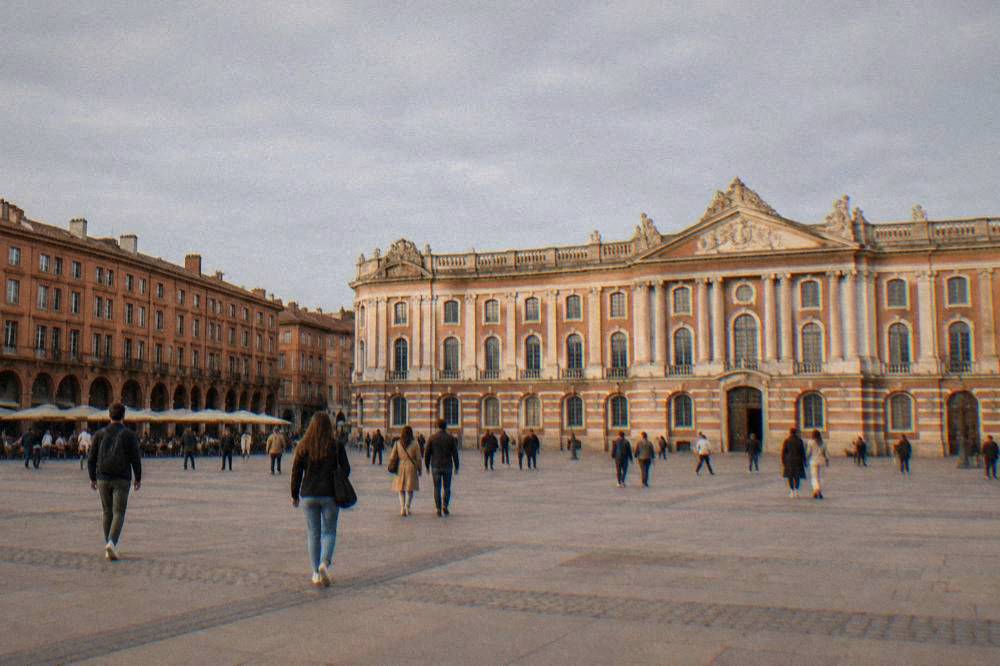
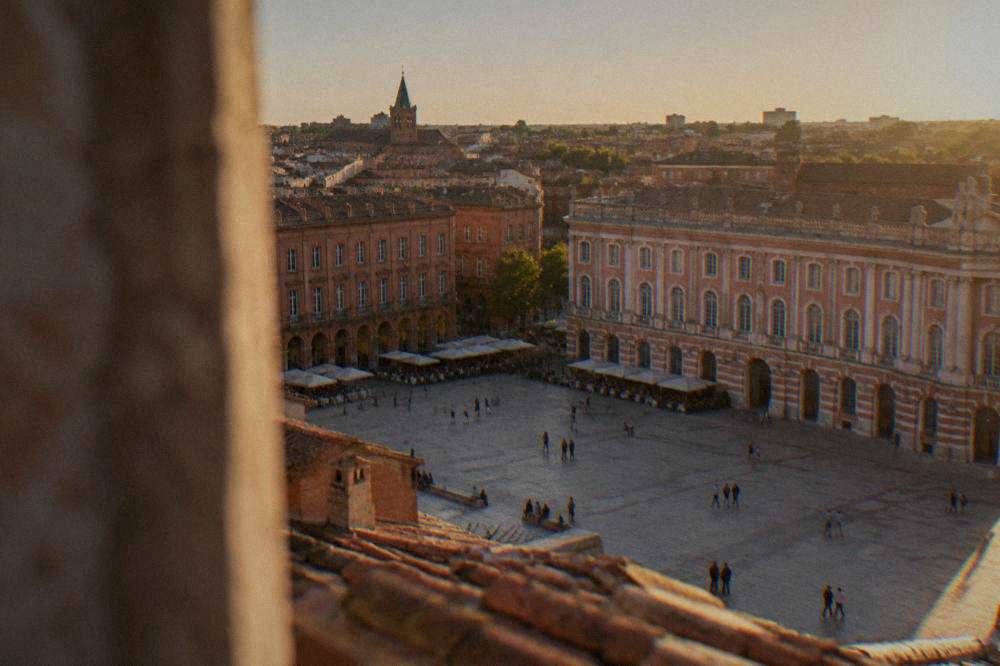
The central districts between the Capitole and the Garonne make the best base for an LGBT city break, because the nightlife, the restaurants, and the main sights all sit within a short walk of each other. Toulouse is compact enough that the choice of neighborhood matters less than in Paris or Lyon, and the tourist tax rules are the same citywide.
One cost note for any booking: Toulouse Metropole charges a tourist tax of 5% of the pre-tax nightly price per person on non-classified or pending-classification lodging, which covers most platform rentals. That is the only tourist-tax figure the official metropole site confirms, so treat any per-star rate you see elsewhere with caution.
For neighborhood-by-neighborhood guidance, including the trade-offs between the Carmes, Saint-Cyprien across the river, and the streets around Saint-Etienne, read our full where to stay in Toulouse guide. The short version: staying central means you can walk home from a late dinner, and the metro covers anything beyond walking range.
Think about what a nightlife-first trip actually needs from a hotel. You need a short walk home at midnight, a neighborhood where the streets stay lively rather than empty, and breakfast hours that forgive a late night. A base within a few streets of the Capitole delivers all three. A cheaper room in a quieter outer district saves money on the booking and spends it again in late-night transport and lost momentum, which is a trade visitors regret on a short break.
When Is The Best Time To Visit Toulouse?
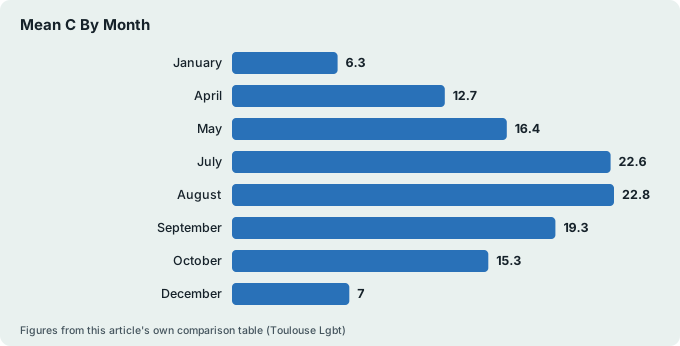
July is statistically the best month for a social trip: Meteo-France's 1991-2020 normals for Toulouse-Blagnac give it 258.6 hours of sunshine, the most of any month, with only 40.1 mm of rain. The surprise is that May, not winter, is the wettest month at 73.6 mm, so late spring needs more planning than visitors expect.
The climate table below is drawn directly from the Meteo-France fiche climatologique for the Toulouse-Blagnac station. August is technically the warmest month at a 22.8 C mean, and it carries 11.3 days a year at or above 30 C, but July and August behave almost identically for trip planning.
| Month | Mean C | Rain mm | Sunshine hours |
|---|---|---|---|
| January | 6.3 | 52.5 | 89.1 |
| April | 12.7 | 65.2 | 188.5 |
| May | 16.4 | 73.6 | 212.3 |
| July | 22.6 | 40.1 | 258.6 |
| August | 22.8 | 44.6 | 246.4 |
| September | 19.3 | 45.7 | 210.1 |
| October | 15.3 | 54.3 | 155.2 |
| December | 7.0 | 49.3 | 89.7 |
For the full monthly breakdown and the reasoning behind each season, see our Toulouse weather guide and the best time to visit Toulouse. One record worth knowing before you pack: the all-time high at the station is 42.4 C, set on 23 August 2023, and the record low is -19.2 C from 15 February 1956.
For an evening-focused trip, the shoulder months deserve more credit than they usually get. September still averages 210.1 hours of sunshine and a 19.3 C mean, warm enough for terraces without the peak-season heat, and it lands in the middle of the festival calendar. June sits in the same band. The months to weigh carefully are May and October: May's 73.6 mm of rain is the year's wettest, and October's 54.3 mm comes with noticeably shorter evenings than summer.
Which Events Fill The Toulouse Calendar?
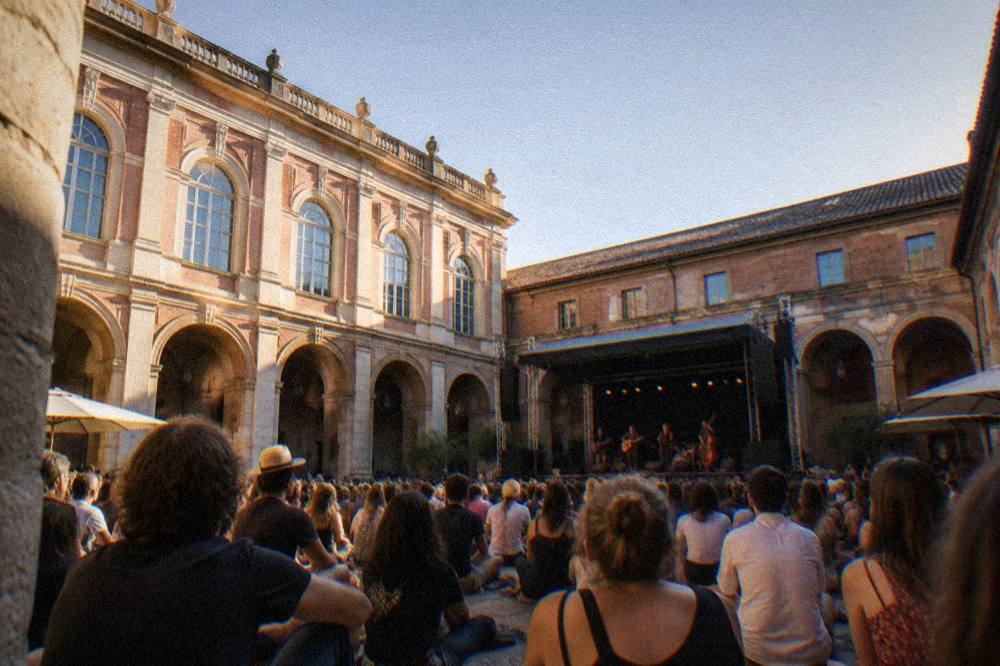
The 2026-2027 calendar is anchored by Piano aux Jacobins from 8 to 30 September 2026, the Toulouse les Orgues festival from 7 to 18 October 2026, the Christmas markets from 26 November to 27 December 2026, and Rio Loco from 9 to 13 June 2027. These are the dates confirmed on official city and organiser pages.
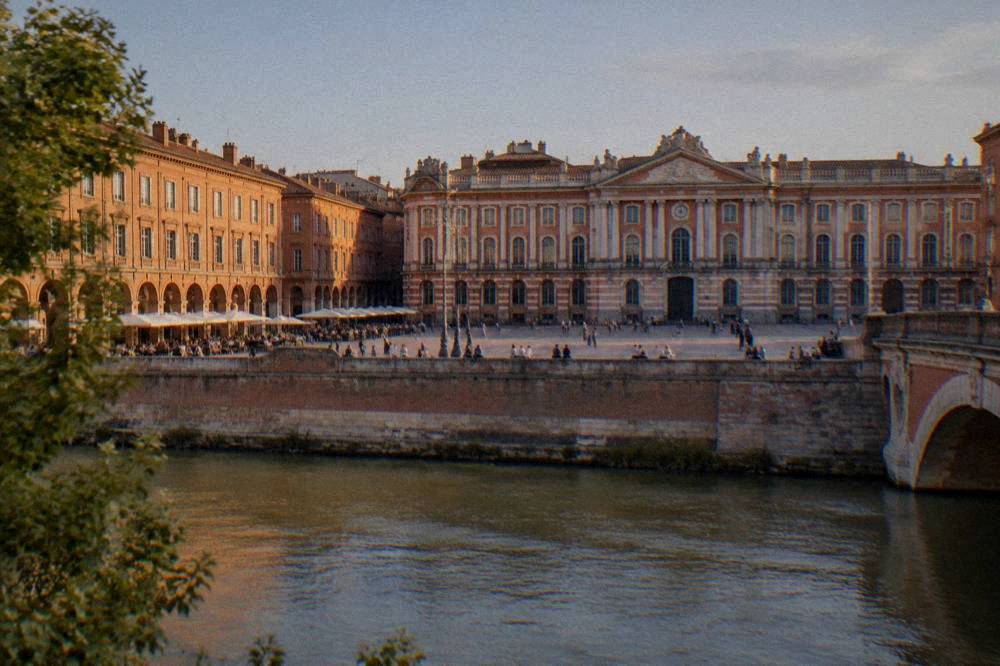
The Christmas markets spread across the Place du Capitole, the allees Jean-Jaures, and the square Charles-de-Gaulle, which puts them right in the middle of the evening circuit. Rio Loco, the world-music festival on the Prairie des Filtres by the river, runs 9 to 13 June 2027 with the theme "Noctiluca". The festival's opening concert for Toulouse les Orgues is on 7 October at Notre-Dame de la Daurade.
| Event | Confirmed dates | Location |
|---|---|---|
| Piano aux Jacobins | 8 to 30 September 2026 | Couvent des Jacobins and other venues |
| Toulouse les Orgues, 31st edition | 7 to 18 October 2026 | Multiple venues, opening at Notre-Dame de la Daurade |
| Christmas markets | 26 November to 27 December 2026 | Place du Capitole, allees Jean-Jaures, square Charles-de-Gaulle |
| Rio Loco | 9 to 13 June 2027 | Prairie des Filtres |
A caution that applies to any event search: the Festival des Lanternes at Blagnac has been discontinued and should not appear in any 2026-2027 planning. Our Toulouse events coverage tracks what is confirmed.
For trip timing, the two events that pair best with an evening-centered stay are Toulouse les Orgues, which spreads across multiple central venues in mid-October, and the Christmas markets, which turn the Capitole side of the center into a nightly circuit for a full month. Rio Loco is the one that changes the city's feel most: a riverside festival in June, with the Prairie des Filtres as its ground, means the evening stroll along the Garonne becomes the event itself.
What Are The Best Day Trips From Toulouse?
The strongest day trips from Toulouse are Carcassonne, the UNESCO-listed walled city reachable on a coach tour, and Albi with Cordes-sur-Ciel, which pairs a UNESCO-listed cathedral town with one of France's most photographed hilltop villages. Both work without a car, which matters if your city break is built around walking and evening terraces rather than driving.
A full-day option covers Albi, Carcassonne, and Cordes-sur-Ciel with lunch included, which suits travelers who want all three in one long day. Its tour page has the details, including what the day covers and how it runs.
If you would rather stay on two wheels inside the city, the Toulouse E-Bike Tour covers the highlights with an electric assist, a good fit for the flat riverside riding along the Garonne and the Canal du Midi. See its tour page for the full description.
The wider menu of destinations, from the Pyrenees roughly 100 km south to Gaillac wine country, is laid out in our day trips from Toulouse guide. Train journey times to specific cities were not confirmed at research time, so this guide gives none; the coach tours above remove the question entirely.
The trade-off to think through is simple. A day trip costs you one of your city evenings, because you return tired and the day is gone, so on a short break it makes sense to take at most one. Carcassonne is the headline choice for first-time visitors; Albi and Cordes-sur-Ciel is the pick if you have already seen a walled city or prefer villages to fortresses. The combined full-day tour is the efficient option if this is your only trip out and you want both in one go.
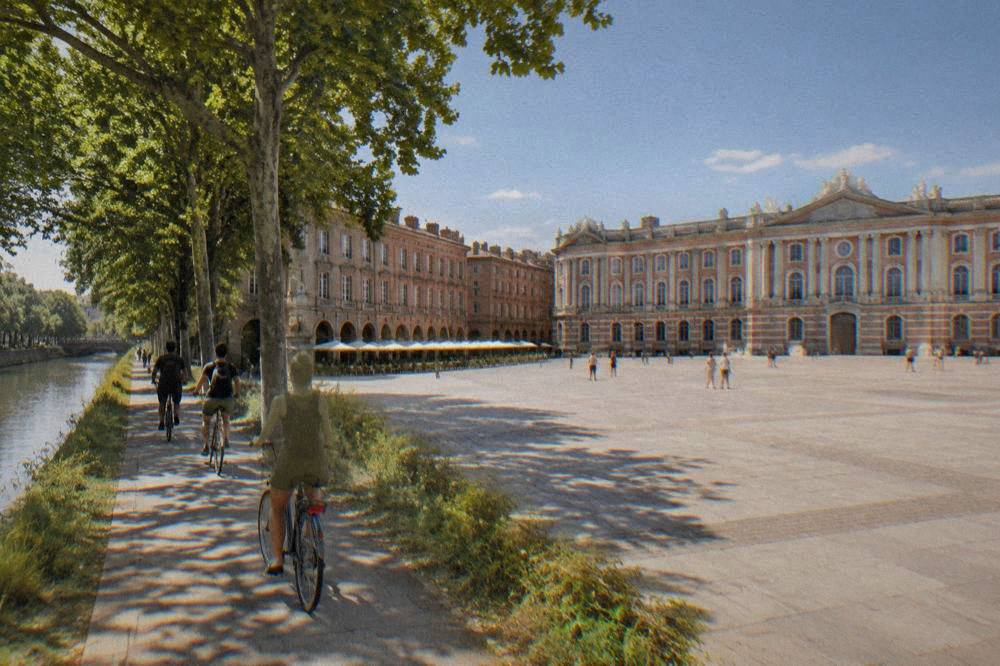
How Do You Get Around Toulouse Without A Car?
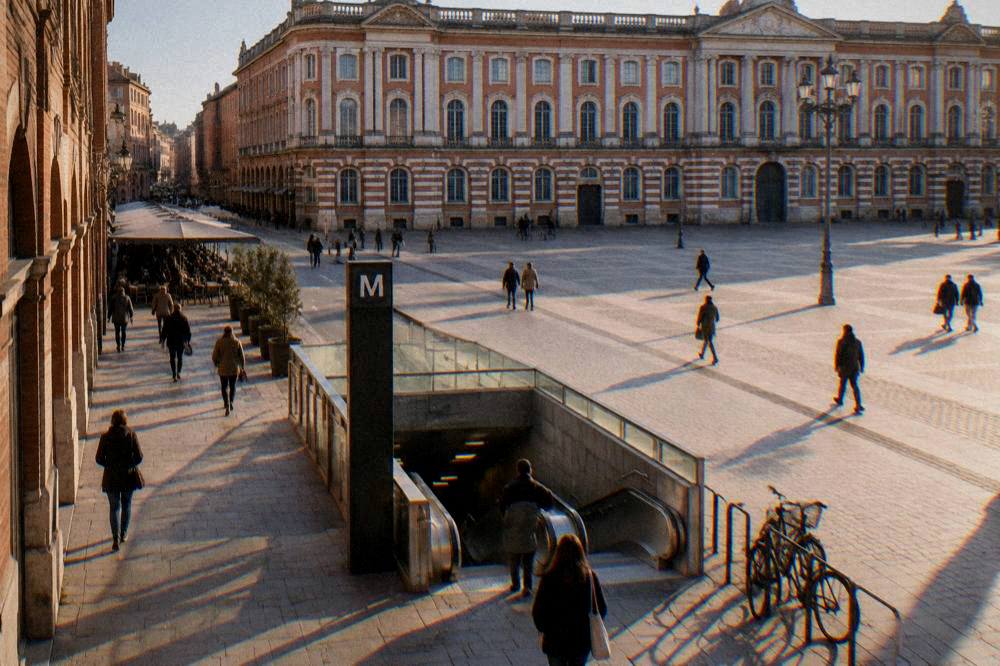
You do not need a car in Toulouse: the center is walkable, the metro and bus network sells single trips at EUR 1.90 and day passes at EUR 7.20, and the airport is served by a bus running every 15 minutes. The one trap is the airport tram, closed since 5 June 2023 until the end of 2026, which no longer exists as an option.
The new metro Line C, 27 km with 21 stations running from Colomiers through Blagnac, Toulouse, and Labege, opens at the end of 2028, so it is a future improvement rather than something to plan on today. A Line B extension to Labege is planned, with no confirmed opening date to print.
For everything on fares, passes, and how the network fits together, see the full getting around Toulouse guide. If you are arriving from the capital, the Paris to Toulouse guide covers the route options, and flights to Toulouse handles the air side. Travelers who prefer their own wheels can weigh the options in our car hire in Toulouse guide, though for a nightlife-first break the walk-and-metro combination is hard to beat.
Common Questions About LGBT Travel In Toulouse
Quick answers to what planners ask most about visiting Toulouse as an LGBT traveler.
Is Toulouse safe for LGBT travelers?
Toulouse has a reputation as a relaxed, student-heavy city, and same-sex marriage has been legal across France for more than a decade. As with any city, keep the usual street sense at night. Our general safety coverage sits alongside the guide to whether Toulouse is worth visiting for overall context.
Is there a gay district in Toulouse?
No single official gay district is on the record. Nightlife in Toulouse clusters in the historic center around the Capitole, Saint-Etienne, and the streets down to the Garonne, and specific venues change often enough that checking current listings on arrival is the reliable move.
What does a night out in Toulouse cost to get around?
A single Tisseo trip costs EUR 1.90 bought in advance, EUR 2.50 if bought last-minute on board, and a day pass costs EUR 7.20. The center is compact enough that many nights out need no ticket at all.
When is Toulouse pride?
This site has no confirmed date for a pride event in Toulouse, so it prints none. The confirmed festival calendar includes Piano aux Jacobins in September 2026, Toulouse les Orgues in October 2026, and Rio Loco from 9 to 13 June 2027.
Is Toulouse expensive?
City-center museums are cheap by big-city standards: the Musee des Augustins and the Couvent des Jacobins each list EUR 5 normal entry, and the Pass Tourisme at EUR 26 covers several of them plus a free guided tour. Food and drink costs are covered in our Toulouse restaurants guide.
How many days should an LGBT city break in Toulouse be?
A long weekend covers the center, the main museums, the riverside, and a couple of full evenings. Add a fourth or fifth day for one day trip, most easily Carcassonne or Albi and Cordes-sur-Ciel on a coach tour, and the city keeps rewarding slower pacing.
Plan the trip around a central base, the EUR 7.20 day pass on the days you range further out, and the terrace evenings that are the real point of La Ville Rose, and Toulouse will give you a city break that feels easy from the first evening.