Where Is Toulouse
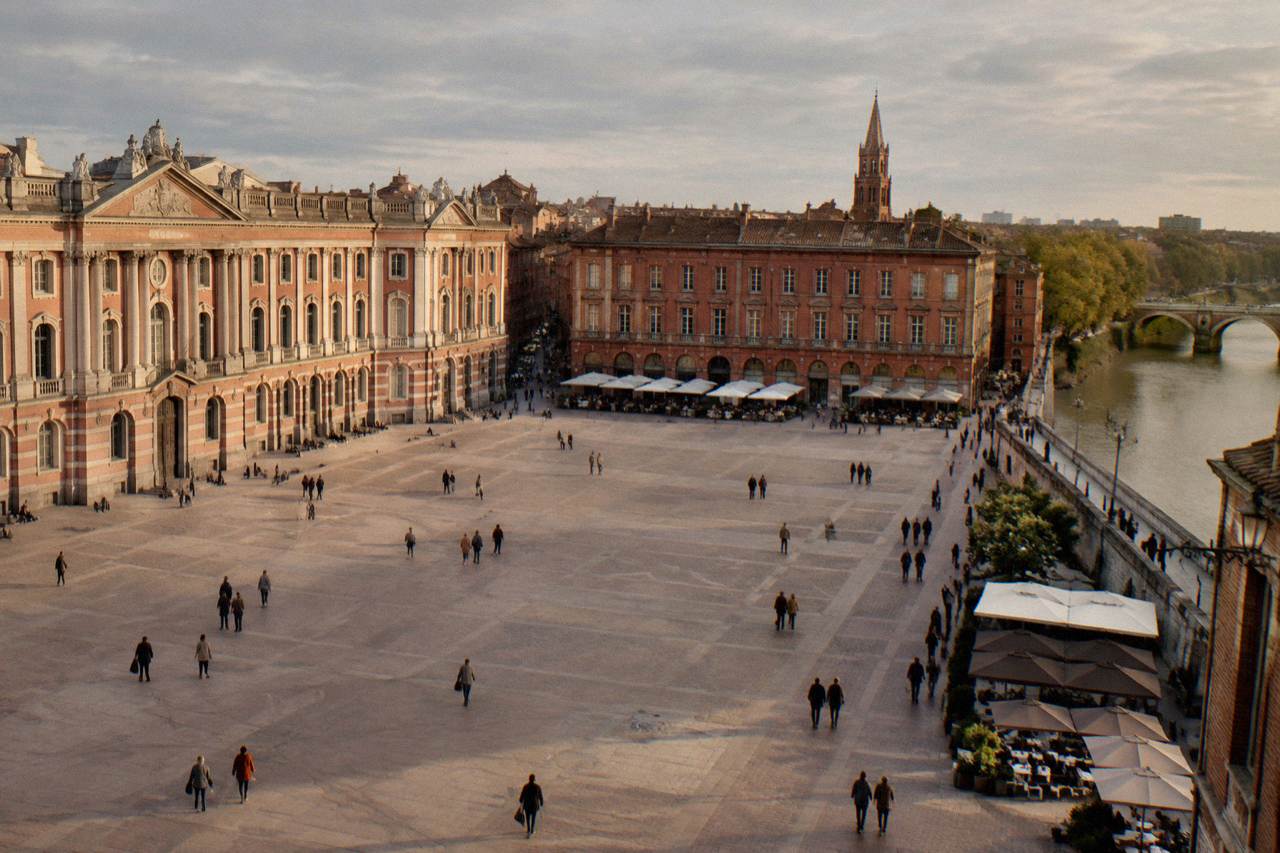
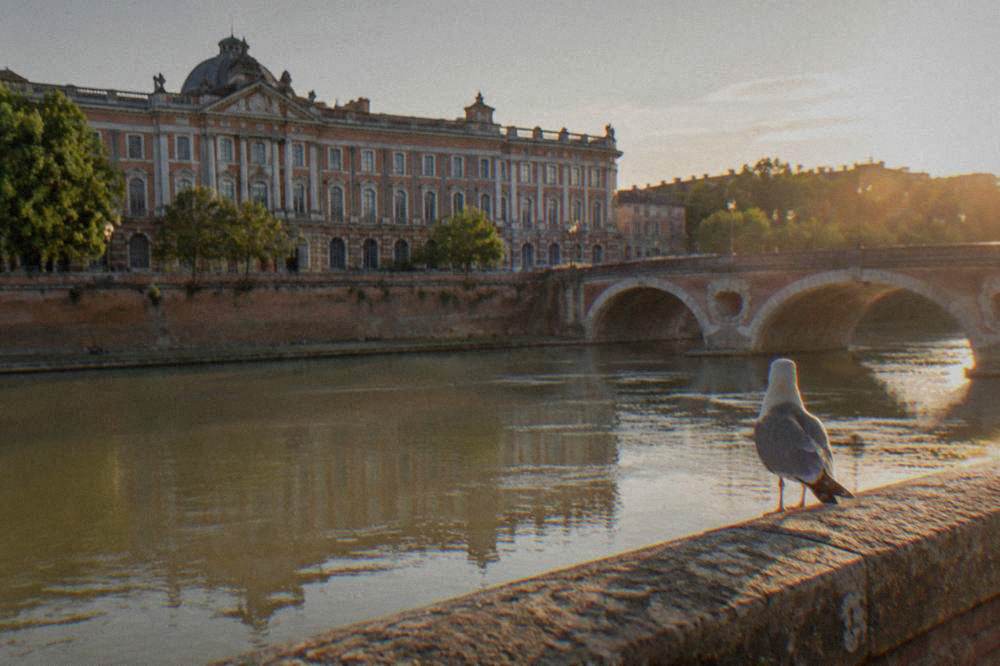
Toulouse sits on the Garonne river in the Occitanie region of southwestern France, the pink-brick La Ville Rose, about 100 km from the Pyrenees and roughly 600 km from Paris by road.
Short answer
Toulouse is in southwestern France, on the Garonne river, in the Occitanie region. It is the prefecture of the Haute-Garonne department, home to 514,819 people, and sits about 100 km north of the Pyrenees.
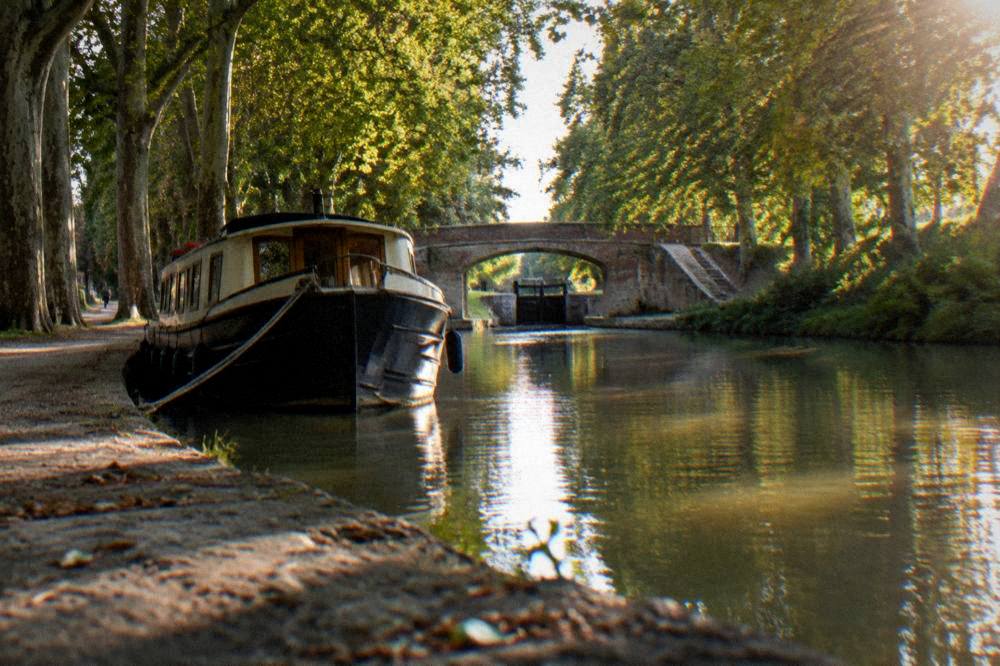
Toulouse is a city in southwestern France, on the Garonne river, in the Occitanie region. It is the prefecture of the Haute-Garonne department, a place known for its pink brick, which is why the French call it "La Ville Rose". The commune counted 514,819 inhabitants at the last INSEE figure, the population recorded for 2023. The Canal du Midi, a UNESCO World Heritage site since 1996, runs past the city on its way between the Garonne and the Mediterranean, and the Pyrenees rise roughly 100 km to the south. This page answers the question of where Toulouse is in full: the region, the department, the distances that matter, how you arrive, and what the climate does through the year.
Where Is Toulouse On The Map Of France?
Toulouse sits in the southwest corner of France, on the Garonne river, roughly midway between the Atlantic Ocean and the Mediterranean Sea. It is the prefecture of the Haute-Garonne department and the main city of the Occitanie region. The commune holds 514,819 inhabitants, per INSEE's population figure for 2023, at a density of 4,351.8 per square kilometer.
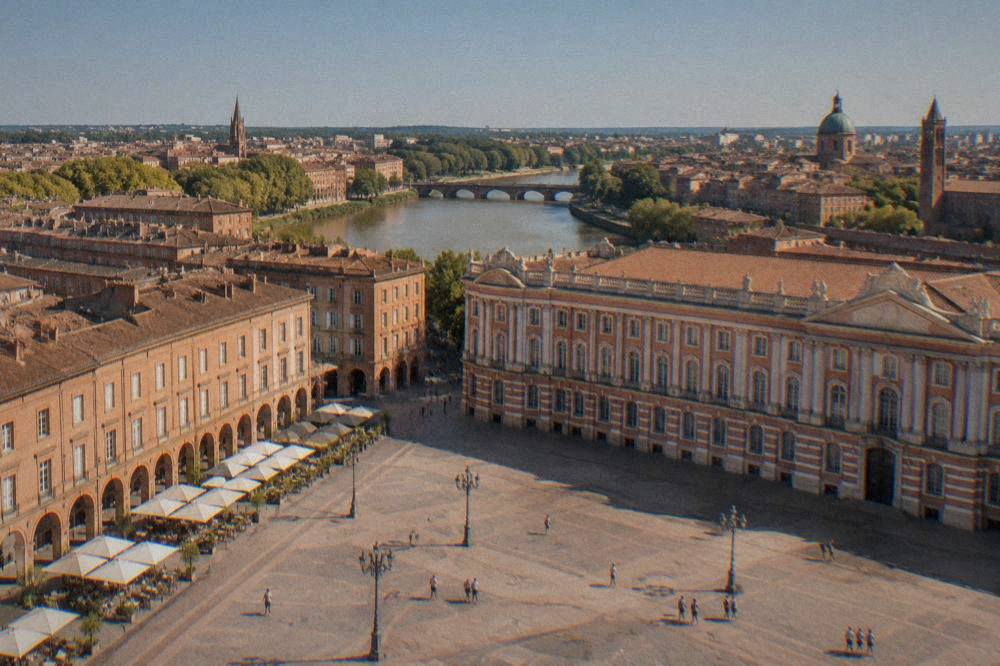
To place it mentally, draw a line from Bordeaux to Montpellier: Toulouse sits south of the midpoint of that line, closer to the Spanish border than to either coast. The city is inland, and this matters for planning: there is no sea, no beach and no harbour here. The Garonne flows through from the south, and the Canal du Midi, inscribed on the UNESCO list in 1996 under criteria i, ii, iv and vi, meets the river's valley west of the center. The Pyrenees are roughly 100 km to the south, which makes them a day trip rather than a view from town.
The city's position explains its history as a crossroads. The Basilique Saint-Sernin is listed as part of the "Routes of Santiago de Compostela in France", the UNESCO property inscribed in 1998, and it is a major stop on the Via Tolosana, one of the historic pilgrimage roads. So on a map of medieval Europe, Toulouse was already a fixed point between the Atlantic, the Mediterranean and Spain. That same position is why the city grew into the aerospace capital it is today: the flat land between two seas and a mountain range gave the industry room to build, test and fly.
Which Region And Department Is Toulouse In?
Toulouse is in the Occitanie region of France and is the prefecture of the Haute-Garonne department, whose number is 31. The city lies on the Garonne, which gives the department its name. Occitanie stretches from the Pyrenees to the Massif Central, and Toulouse is its largest city and administrative center.
France's current regional map places Toulouse as the seat of the merged Occitanie region, which brought together the former Midi-Pyrenees and Languedoc-Roussillon areas. The prefecture of Haute-Garonne sits at the heart of the city, on the Place du Capitole side of the center, and the department's number, 31, appears in every postcode and on every car registration plate in the area. The city's own INSEE code is 31555, which is how the statistics agency tracks its population figure of 514,819.
The region is also the home of the Occitan language, from which it takes its name, and the city keeps that heritage in its street names and its identity. If you want to go deeper into what the city is known for, our guide to what Toulouse is famous for covers the aerospace industry, the rugby club and the food. For the practical side of a visit, the Toulouse Pass Tourisme guide explains how the city's tourist pass works and when it saves money.
How Far Is Toulouse From The Pyrenees, Spain And Other French Cities?
The Pyrenees stand roughly 100 km south of Toulouse, which puts the mountain towns and ski valleys within day-trip range. Spain's border is beyond them. Carcassonne, Albi and Montauban are all reachable by a short train ride from Toulouse-Matabiau station, and Paris is connected by direct trains. The city's inland position means no French coast is close.
Distances to specific cities are not the point of this page, and the exact rail timings are best checked when you book, but the geography is simple: Toulouse is a hub. Trains run from Toulouse-Matabiau toward Carcassonne, Montauban, Bordeaux and Paris, and the day-trip network around the city is unusually rich for a place of its size. The medieval walled town of Carcassonne, the red-brick cathedral city of Albi and the cliff village of Cordes-sur-Ciel all sit within a comfortable radius, and our day trips from Toulouse guide lists them in detail.
For travelers who want the mountains, the Pyrenees are the nearest big draw. Our Pyrenees guide covers what you can reach from the city in a day, and the Andorra guide covers the co-principality tucked into the range to the south. The south of France from Toulouse page ties the whole region together for longer itineraries.
The day-trip territory is one of the reasons the city rewards a longer stay. The village of St-Cirq-Lapopie and the painted caves of Pech Merle sit to the north, while Rocamadour, Lourdes and the Cathar castles spread west and south. If you are weighing the city against its neighbors, our comparisons of Toulouse vs Bordeaux and Toulouse vs Lyon break down the differences.
What Is The Best Way To Get To Toulouse?
Toulouse-Blagnac airport handled 7,621,409 commercial passengers in 2025, and it is the main air gateway to the city. Direct trains link Toulouse-Matabiau with Paris and other French cities. The airport sits northwest of the center, and the dedicated airport bus covers the distance in 20 to 40 minutes.
The airport's 2025 traffic, published in the airport's own press release, was down 2.8% on 2024, but the airport still serves destinations across France and Europe. Our flights to Toulouse guide lists the airlines and routes, and the Toulouse airport guide covers the terminals and facilities. If you are flying in, the car hire at Toulouse airport page explains the rental options for exploring the region.
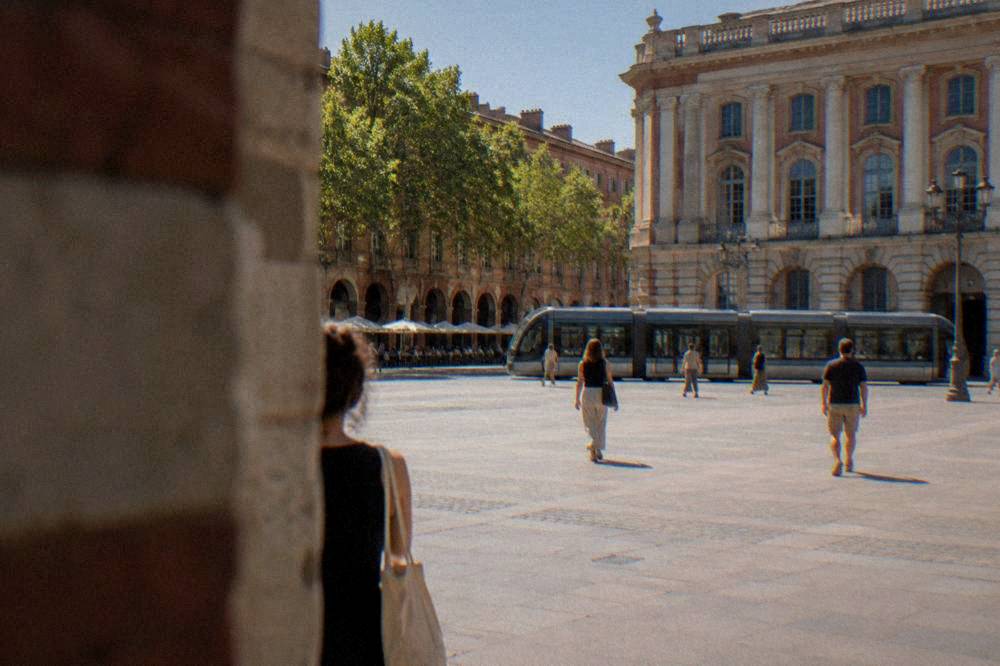
One detail trips up returning visitors: the tram line T2 to the airport has been closed since 5 June 2023 and stays closed until the end of 2026 because of the metro Line C works. Do not plan around a tram to the airport. The Navette aeroport bus is the public transport link, with one departure every 15 minutes, and it runs seven days a week according to the airport's own access page.
How Do You Get From Toulouse Airport To The City Center?
The Navette aeroport bus runs from Toulouse-Blagnac to the center with one departure every 15 minutes, taking 20 to 40 minutes depending on traffic. A single airport ticket costs EUR 9.50 on the Tisseo network and includes the Navette. The tram to the airport is closed until the end of 2026, so the bus is the public transport option.
The Tisseo e-boutique catalogue, the official fare list, gives the airport single at EUR 9.50, covering the Tisseo network plus the Navette aeroport. The Navette to the Matabiau bus station takes about 25 minutes, while buses 30 and 31 take about 45 minutes to the Capitole with changes. Our Toulouse airport to city center guide walks through every option, and the getting around Toulouse guide covers the metro, tram and bus network once you are in town.
The regular city fares are worth knowing before you buy. The same Tisseo catalogue lists them, and they hold for the metro, the buses and the trams that still run.
| Tisseo ticket | Price |
|---|---|
| Single trip | EUR 1.90 |
| Single trip bought on board | EUR 2.50 |
| 10 trips | EUR 16.00 |
| Day pass | EUR 7.20 |
| 3-day pass | EUR 14.30 |
| Airport single (network + Navette) | EUR 9.50 |
There is no 2-day pass in the catalogue, so if you are staying two days, the arithmetic is between the day pass and the 3-day pass. The city's metro Line C, a third line of 27 km with 21 stations running from Colomiers through Blagnac and Toulouse to Labege, opens at the end of 2028, which is why the airport tram is closed in the meantime. Until then, the two existing metro lines, the buses and the Teleo cable car carry the daily traffic, and the Toulouse train station guide covers arrivals by rail.
What Is The Weather Like In Toulouse Through The Year?
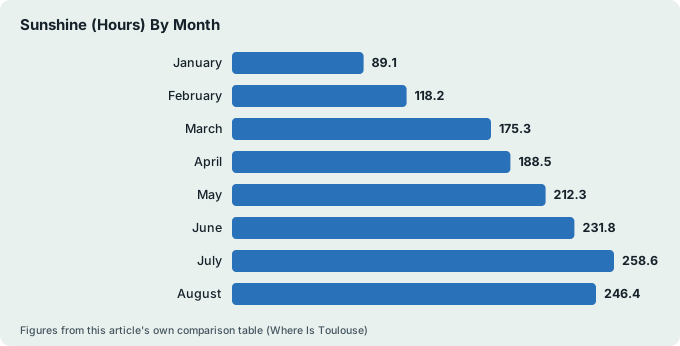
Toulouse has a temperate climate with 2,075.1 hours of sunshine a year and 627 mm of rain over 95.8 rain days, per Meteo-France's 1991-2020 normals for the Toulouse-Blagnac station. July is the sunniest month at 258.6 hours, and May is the wettest at 73.6 mm, which surprises visitors who expect winter rain. The record high is 42.4C, set on 23 August 2023.
The surprise in the data is the rain pattern. May averages 73.6 mm, almost double February's 37.2 mm, and April (65.2 mm) and June (64.2 mm) follow it. Then the tap turns off: July, the sunniest month, gets just 40.1 mm. The all-time records, kept since 1947, run from -19.2C on 15 February 1956 to 42.4C on 23 August 2023. Only 11.5 days a year reach 30C or more, and they fall almost entirely in July and August, with 11.5 and 11.3 such days respectively.
| Month | Mean temperature (C) | Rain (mm) | Sunshine (hours) |
|---|---|---|---|
| January | 6.3 | 52.5 | 89.1 |
| February | 7.1 | 37.2 | 118.2 |
| March | 10.3 | 45.3 | 175.3 |
| April | 12.7 | 65.2 | 188.5 |
| May | 16.4 | 73.6 | 212.3 |
| June | 20.3 | 64.2 | 231.8 |
| July | 22.6 | 40.1 | 258.6 |
| August | 22.8 | 44.6 | 246.4 |
| September | 19.3 | 45.7 | 210.1 |
| October | 15.3 | 54.3 | 155.2 |
| November | 9.9 | 55.0 | 99.9 |
| December | 7.0 | 49.3 | 89.7 |
The monthly figures come from Meteo-France's fiche climatologique for the Toulouse-Blagnac station, the official 1991-2020 normals. For a month-by-month verdict on when to come, our best time to visit Toulouse and Toulouse weather guides go deeper than the raw numbers.
What Should You Expect Once You Are In Toulouse?
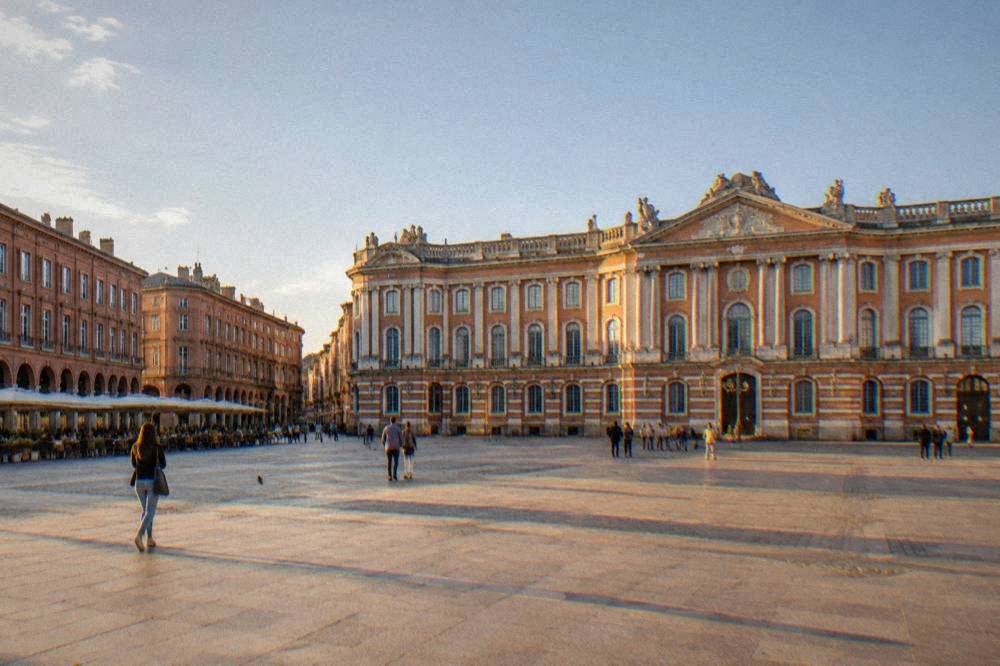
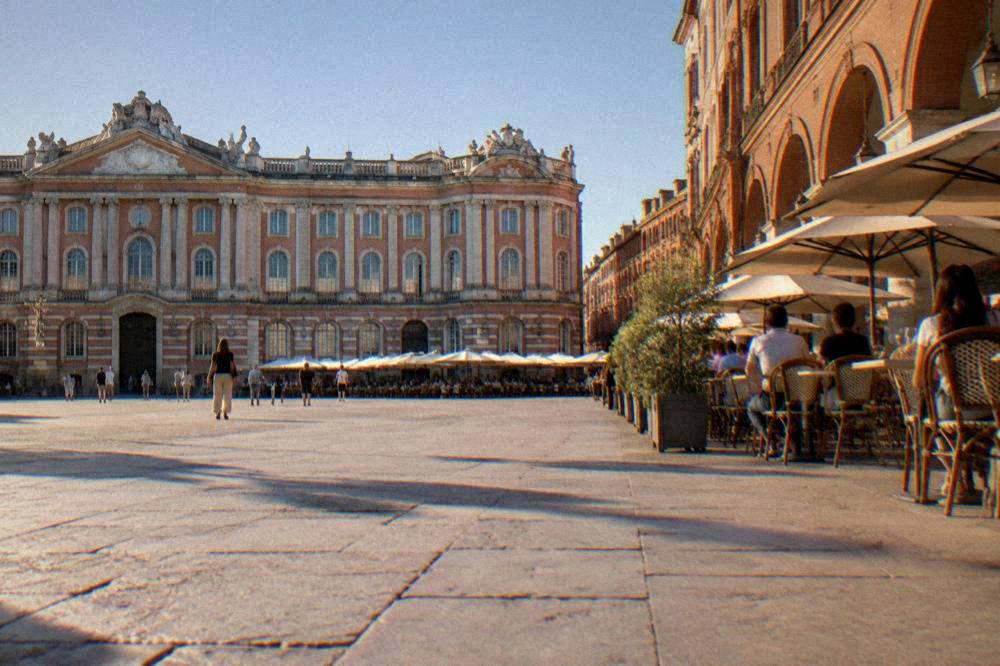
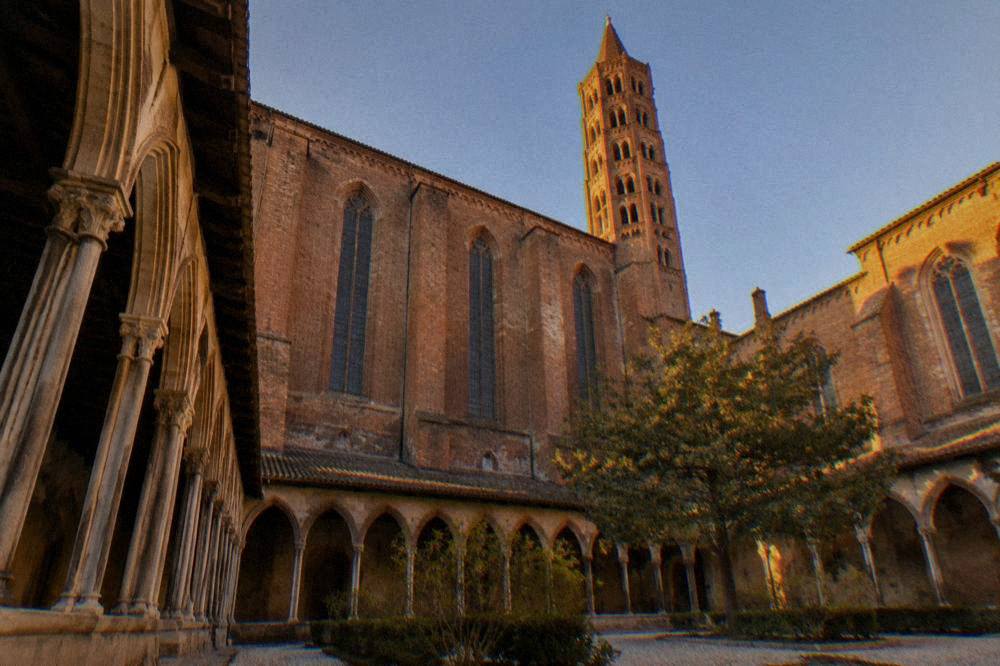
Toulouse is a compact, walkable city center ringed by pink brick, with the Capitole, the Basilique Saint-Sernin and the Couvent des Jacobins as its anchor monuments. The Garonne crosses the west side, and the Canal du Midi passes to the south. A Pass Tourisme costs EUR 26 for stays of one to three days and pays off from the third activity.
The tourist office's Pass Tourisme page lists the pass at EUR 26, valid for one to three days, with a free guided tour from the office included, and an optional EUR 10 add-on for ten public-transport trips. The same page lists the normal admission rates for the museums the pass covers free, which makes the value arithmetic easy to check before you buy. The pass only pays off from the third activity, so a one-museum day is better paid at the door.
| Museum or monument | Normal adult rate |
|---|---|
| Fondation Bemberg | EUR 12 |
| Museum de Toulouse | EUR 12 |
| Les Abattoirs | EUR 12 |
| Musee des Augustins | EUR 5 |
| Couvent des Jacobins | EUR 5 |
One timing note for autumn 2026: the Musee des Augustins is temporarily closed from 21 September to 2 October 2026 for great-cloister works, and its Gothic halls, the sacristy, the Notre-Dame de Pitie hall and the chapter house, reopen on 3 October 2026 from 10:00. The Couvent des Jacobins is free on the first Sunday of the month, except when a temporary exhibition is on, and roof restoration work on the church is under way with the site open to visitors.
The city's own character comes from the pink brick, the river and the aerospace industry that gives the region its modern weight. Our Airbus factory tour guide covers the plane-maker's visitor operation at Blagnac, and the Toulouse museums guide sorts the rest of the collections. If you are traveling with children, the Toulouse with kids guide picks out the family-friendly stops.
Where Should You Stay And Eat In Toulouse?
The center of Toulouse, from the Capitole to Saint-Sernin and along the Garonne, is where first-time visitors usually base themselves, and the city's food identity runs on cassoulet, Toulouse sausage and the Victor Hugo market. Non-classified lodging, including most platform rentals, pays a 5% tourist tax on the pre-tax nightly price per person under Toulouse Metropole's rules.
The tourist tax is the one figure on that front: Toulouse Metropole's tax site states 5% of the pre-tax nightly price per person for non-classified or pending-classification lodging, which covers most apartment rentals booked on platforms. Our where to stay in Toulouse guide maps the neighborhoods, from the Carmes to Saint-Cyprian across the river.
On the food side, the city's signature dish is cassoulet, and the cassoulet guide explains what it is and where the arguments about it start. The Toulouse sausage guide covers the city's other edible emblem, and the Toulouse restaurants and Toulouse food pages take it from there. For a taste of the region in one square, the Victor Hugo market page describes the city's covered market and its surrounding food stalls.
A quick way to get your bearings on arrival is an electric tuk-tuk tour with photo stops and an audio guide, which covers the pink-brick center without wearing out your shoes. The Toulouse Travel Guide homepage also carries a full rundown of the city's tours and attractions if you want to compare options before committing.
Once you have the center sorted, the region opens up. The St-Cirq-Lapopie and Pech Merle cavern tour runs to one of France's prettiest villages and its painted prehistoric caves in a single day, a reminder of how much sits within reach of the city.
Is Toulouse Worth The Trip From Wherever You Are?
Toulouse rewards the journey with a walkable pink-brick center, a UNESCO canal and basilica, a major aerospace attraction and a day-trip ring that includes Carcassonne, Albi and the Pyrenees. Direct trains link it to Paris, and the airport connects it to the rest of Europe. Whether it is worth it depends on what you want, and our verdict guide takes that question head on.
The honest framing is that the city is less famous than Bordeaux or Lyon, which means fewer crowds at the monuments and lower pressure on restaurant tables. The is Toulouse worth visiting guide gives the full argument in both directions, and the Paris to Toulouse guide covers the capital-to-city journey in detail.
For a sense of the city's scale and pace, the rugby club's hold on local life is a good proxy, and the Toulouse rugby guide explains why match weekends change the city's mood. If you are planning around the calendar, the Toulouse events guide lists the festivals above with what each one means for hotel demand and crowds.
The Carcassonne day trip is the classic first excursion: a walled medieval city with a crusader history, reachable from Toulouse in a day and covered by a guided trip from the city.
Common Questions About Where Toulouse Is
Quick answers to what planners ask most about Toulouse's location.
Where is Toulouse?
Toulouse is in southwestern France, on the Garonne river, in the Occitanie region. It is the prefecture of the Haute-Garonne department, and the Pyrenees lie roughly 100 km to the south.
Is Toulouse in the south of France?
Yes. Toulouse sits in the southwest of France, in the Occitanie region, inland on the Garonne. It has no coast of its own; the nearest mountains are the Pyrenees, roughly 100 km south.
What region is Toulouse in?
Toulouse is in the Occitanie region, which brought together the former Midi-Pyrenees and Languedoc-Roussillon areas, and it is the region's administrative center. It is also the prefecture of the Haute-Garonne department, number 31.
How far is Toulouse from the Pyrenees?
The Pyrenees are roughly 100 km south of Toulouse, which puts the range and its valleys within day-trip range of the city. Andorra sits in the range further south.
Does Toulouse have a beach?
No. Toulouse is an inland city on the Garonne river. There is no sea, no beach and no harbour; the Mediterranean and the Atlantic are both away to either side, and the nearest mountains, the Pyrenees, are a day trip.
How big is Toulouse?
The commune of Toulouse counted 514,819 inhabitants at the INSEE population figure for 2023, with a density of 4,351.8 per square kilometer. The city center is compact and walkable between the Capitole, Saint-Sernin and the Garonne.
Is there an airport in Toulouse?
Yes, Toulouse-Blagnac airport, which handled 7,621,409 commercial passengers in 2025. The Navette aeroport bus links it to the center with one departure every 15 minutes, taking 20 to 40 minutes, and a single airport ticket costs EUR 9.50.