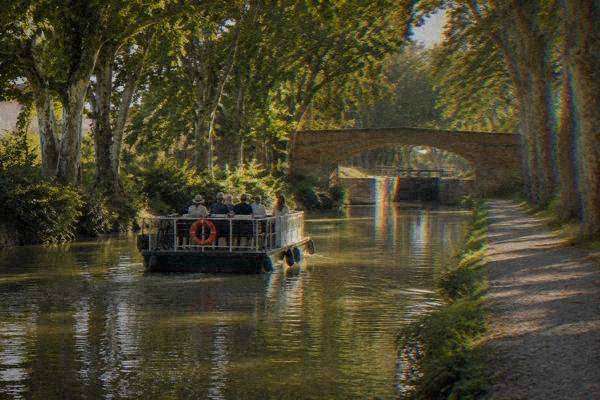
Why Is Canal Du Midi Famous?
The Canal du Midi, the UNESCO-listed waterway that meets the Garonne at Toulouse in southwestern France, earned World Heritage status in 1996. Here is what makes it famous and how to see it.
Toulouse, the pink-brick city on the Garonne in the Occitanie region of southwestern France, is also a canal city. The Canal du Midi meets the Garonne here, and its tree-lined banks are one of the reasons the waterway carries the fame it does. This page answers the question directly: what earned the canal its reputation, what UNESCO actually recognized, and how a visitor based in Toulouse can get out onto the water.
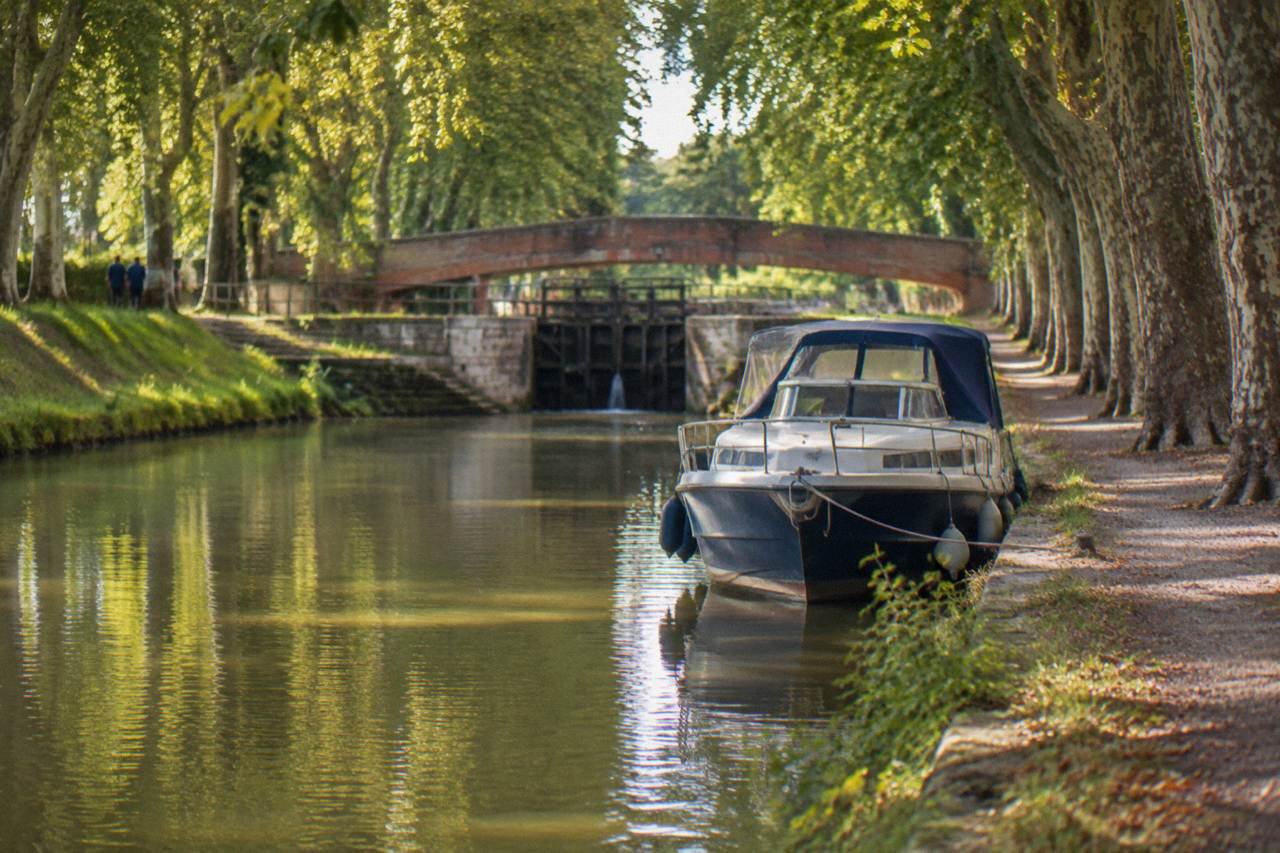
Why Is Canal Du Midi Famous?
The Canal du Midi is famous because UNESCO inscribed it on the World Heritage List in 1996, under criteria i, ii, iv and vi, for a property of 2,007 hectares. It is also famous as a working leisure waterway that meets the Garonne at Toulouse, where cruises, bike rides and waterside walks all begin minutes from the city center.
That inscription is the core of the answer. UNESCO's listing covers the canal itself, and the organization's own record states the year, the criteria and the size of the protected property. Very few canals anywhere carry World Heritage status, and that alone sets this one apart from every other waterway in the region.
The second half of the fame is more practical. The canal is not a monument behind a rope, it is a living corridor of boats, cyclists and towpaths, and in Toulouse it is folded into everyday city life. A visitor can walk out of the historic center and be on the bank within minutes, which is exactly why so many Toulouse itineraries include it. If you are planning a trip around the waterway itself, start with Canal du Midi boat trips and, if you prefer two wheels to a hull, the companion guide to the canal by bike.
The canal's fame also feeds the city's broader reputation. Toulouse is known as La Ville Rose for its pink brick, and the canal gives that city identity a green, watery counterpoint that few inland French cities can match. The Toulouse Travel Guide covers the rest of the city, but the canal is the thread that ties the visit together.
What Did UNESCO Recognize In 1996?
UNESCO recognized the Canal du Midi itself, inscribing it in 1996 under criteria i, ii, iv and vi, with a protected property of 2,007 hectares. The listing belongs to the canal alone. Toulouse's other UNESCO connection is separate: the Basilique Saint-Sernin is part of the Routes of Santiago de Compostela in France, inscribed in 1998.
The two listings are often blurred together by visitors, and they should not be. The canal earned its place on the World Heritage List on its own merits, in 1996. The Santiago routes followed two years later, in 1998, and Saint-Sernin, the great basilica a short walk from the canal basin, is listed as a component of that pilgrimage property and as a major stop on the Via Tolosana.
| UNESCO fact | Canal du Midi | Routes of Santiago de Compostela in France |
|---|---|---|
| Inscription year | 1996 | 1998 |
| Criteria | (i)(ii)(iv)(vi) | Listed property including Saint-Sernin |
| Property size | 2,007 hectares | Includes the Basilique Saint-Sernin, Toulouse |
| Connection to Toulouse | Meets the Garonne in the city | Saint-Sernin is a major stop on the Via Tolosana |
The practical takeaway for a visitor is that Toulouse touches two UNESCO inscriptions in one walkable area: the canal, listed for itself, and the basilica, listed as part of the pilgrimage routes. The full monument-by-monument picture is in the Capitole and Saint-Sernin guide, and the basilica itself has its own page on the Basilica of Saint-Sernin.
Worth knowing before you build a day around either listing: the canal is an open-air corridor with no tickets, no queues and no closing hours, while the basilica is a working monument with its own rhythm of services and visits. That contrast is part of why the canal suits every kind of traveler. Families with small children, cyclists passing through, visitors who only have a free afternoon: all of them get the same World Heritage experience at whatever pace suits them, and nobody needs to plan around an opening schedule. The basilica rewards a fixed slot in the day, the canal simply rewards showing up.
How Do You See The Famous Canal From Toulouse?
The easiest way is a cruise: a commentary boat trip on the UNESCO-listed canal departs from Toulouse and covers the famous waterway without any planning on your part. Alternatives are riding the towpath by bike, walking the banks on foot, or combining a short cruise with a day trip that follows the canal's reputation inland toward Carcassonne.
The cruise option deserves the first mention because it puts you on the water itself, which is what the canal is famous for. The featured option on this site is the UNESCO-listed Canal du Midi cruise tour with commentary, a narrated trip that explains the waterway as you drift along it. If that appeals, you can Check availability on the operator's live listing.
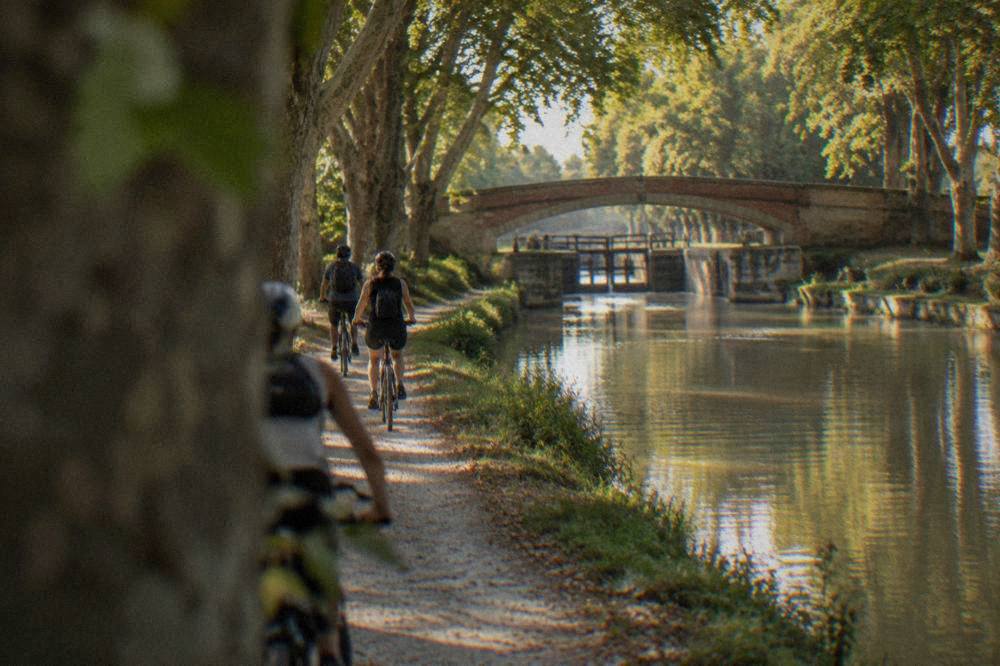
Beyond the boat, the canal is one of the flattest, most forgiving cycling corridors you will find anywhere, and the towpath keeps bikes away from traffic for most of the route out of the city. Walkers get the same banks for free. For the practical questions that come next, this site has dedicated answers on how much a Canal du Midi cruise costs and on the most beautiful part of the Canal du Midi.
One honest note on the canal's most famous inland neighbor: Carcassonne is not on the canal, but the two names travel together in every Toulouse day-trip conversation, and a coach day trip is the standard way to stack them in one stay. The question why Carcassonne is so famous covers that side of the region.
When Is The Best Time Of Year For The Canal?
The best months for the Canal du Midi are late spring through early autumn, and the Meteo-France 1991-2020 normals for Toulouse-Blagnac explain why: July is the sunniest month at 258.6 hours of sunshine with only 40.1 mm of rain, while May, the wettest month at 73.6 mm, rewards travelers who accept showers for greener banks.
The surprise in the climate record is that the wettest month is not in winter. May averages 73.6 mm of rain, almost double February's 37.2 mm, and April and June follow close behind. Then the tap turns off: July combines the year's peak sunshine with just 40.1 mm of rain, and only 11.5 days a year reach 30C or more, so summer heat is real but not relentless.
| Month | Mean temperature (C) | Rain (mm) | Sunshine (hours) |
|---|---|---|---|
| April | 12.7 | 65.2 | 188.5 |
| May | 16.4 | 73.6 | 212.3 |
| June | 20.3 | 64.2 | 231.8 |
| July | 22.6 | 40.1 | 258.6 |
| August | 22.8 | 44.6 | 246.4 |
| September | 19.3 | 45.7 | 210.1 |
| October | 15.3 | 54.3 | 155.2 |
For a cruise, July and August are the statistically safest bets for sun, though September keeps 210.1 hours of sunshine with barely more rain and fewer boats on the water. Cyclists and walkers may actually prefer the shoulder months, when the plane trees are in full leaf but the banks are quieter. The full month-by-month picture, including the winter figures, is in the site's Toulouse weather guide.
What Else Makes The Canal A Toulouse Highlight?
The canal's fame compounds with everything around it: it meets the Garonne in the center of a city of 514,819 inhabitants (INSEE, population in 2023), it sits minutes from the Capitole and Saint-Sernin, and it anchors a whole family of day trips into the region that made it famous. The waterway is not a side trip from Toulouse, it is one of the city's defining features.
That is the part first-time visitors underestimate. The canal is often described as a standalone attraction somewhere in the south of France, but in practice the Toulouse end is walkable from the historic center, which makes it one of the least effortful World Heritage experiences in the country. You do not need a car, a reservation weeks in advance or a full day set aside, a one-hour cruise or a towpath stroll slots into any itinerary.
The canal also works as a gateway. Travelers who fall for the waterway on a short cruise often extend into the region next: the Canal du Midi attraction page gathers the essentials, and the best canal trip in France answer places it in national context. For the city itself, why Toulouse is so famous is the companion question to this one.
There is a slower way to see it, too. Plenty of visitors base themselves in Toulouse for several days and treat the canal as a recurring presence rather than a single excursion: a morning walk along the bank, an evening drink at a waterside spot, a half-day cruise slotted between museums. The how many days is enough for Toulouse answer helps size that stay, and the canal is flexible enough to fill whatever gap the itinerary leaves.
Common Questions About The Canal Du Midi
Quick answers to what planners ask most about the famous waterway.
Why is Canal du Midi famous?
UNESCO inscribed it in 1996 under criteria i, ii, iv and vi, protecting 2,007 hectares of the waterway. It is also famous as a living leisure canal that meets the Garonne at Toulouse, with cruises, bike paths and walks starting minutes from the city center.
Can you swim in the Canal du Midi?
Swimming in the canal is not what the waterway is for, and this site covers the question in full on its dedicated page about swimming in the Canal du Midi. Cruises, cycling and walking are the ways the canal is enjoyed.
How much is a Canal du Midi cruise?
Cruise prices are product figures and render from the tour listings on this site rather than being typed into prose. The dedicated answer on how much a Canal du Midi cruise costs carries the details, and each tour page shows the live price.
What is the most beautiful part of the Canal du Midi?
Beauty along the canal is mostly about the plane-tree-lined banks and the sequence of waterside villages, and opinions differ by season and by whether you are on a boat or a bike. The site's dedicated answer on the most beautiful part of the Canal du Midi works through the options.
Is the Canal du Midi the same UNESCO site as Saint-Sernin?
No. The canal was inscribed alone in 1996. The Basilique Saint-Sernin belongs to the separate Routes of Santiago de Compostela in France listing, inscribed in 1998, as a major stop on the Via Tolosana.
Can you ride a bike along the Canal du Midi from Toulouse?
Yes, the towpath is a established cycling route, and the site's guide to the Canal du Midi by bike covers it, including what to expect from the surface and how far a day of riding realistically takes you.