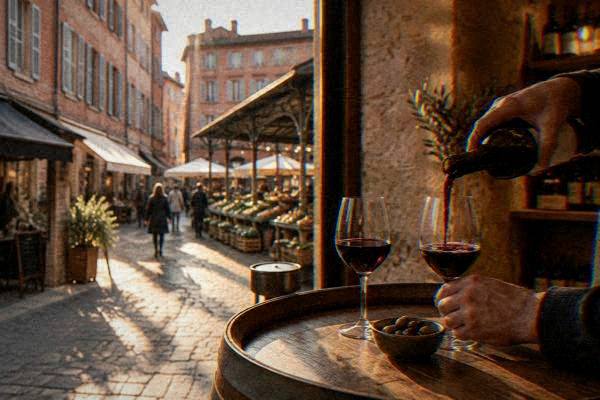
What Wine Do You Drink With Cassoulet?
The honest answer to what wine to drink with cassoulet in Toulouse: the local reds that were born for the dish, the whites and rosés that work, and where to taste them in the Ville Rose.
Cassoulet is the signature dish of Toulouse, the pink-brick "La Ville Rose" on the Garonne in southwestern France, and it is one of the heaviest plates the French kitchen produces: white beans slow-cooked with sausage, confit and, in the Toulouse version, the city's own Toulouse sausage. The wine question is therefore not a footnote. A light glass gets steamrolled by the dish, and an oversized tannic red flattens it right back. The regional answer, the one the vineyards around Toulouse were effectively built to give, is a medium-bodied local red with soft tannins and enough acidity to cut the fat. The full picture below covers which bottles those are, what to do if you prefer white or rosé, and where in the city to taste before you order.
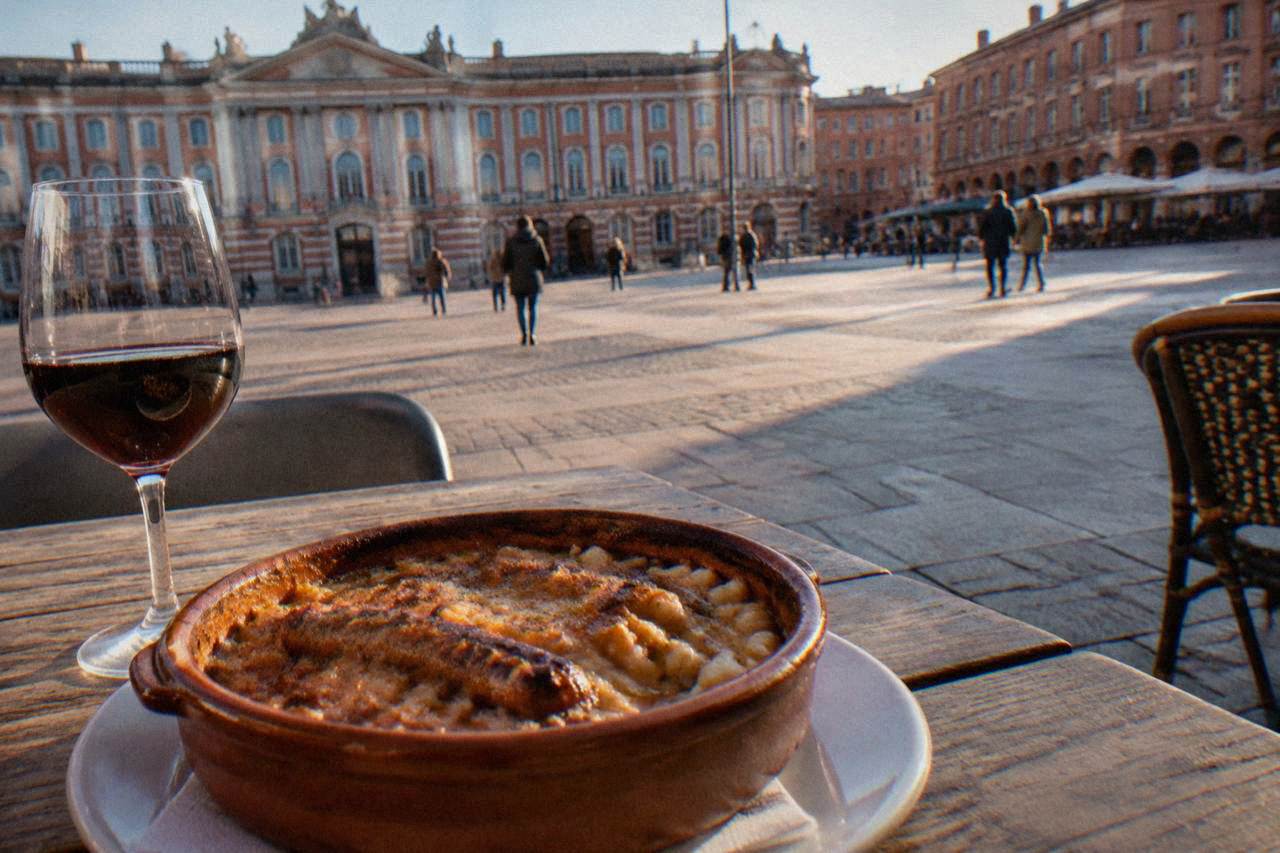
What Wine Do You Drink With Cassoulet?
The classic answer is a medium-bodied red from the wine country around Toulouse, with soft tannins, bright acidity and dark fruit: a Fronton, made from the Negrette grape just north of the city, or a red Gaillac from the hills northeast of Toulouse, are the two local picks that were practically designed for the dish. The fat and the beans need a wine with enough acidity to refresh the palate between spoonfuls, and neither needs heavy oak or big tannins.
The pairing logic is simple once you look at what is actually in the pot. Cassoulet is rich, fatty and starchy all at once, so the wine has to do two jobs at once: lift the richness with acidity and match the savory depth of the meat with fruit. Wines that overdo extraction or oak fail because they add weight to an already heavy plate. Wines that are too light fail because the dish simply erases them, and you find yourself drinking something that tastes like nothing halfway through the bowl.
This is also why the question has a genuinely local answer rather than a generic one. A big international red, the kind that shows up on wine lists the world over, is built for grilled red meat, not for beans and confit. The vineyards closest to Toulouse spent centuries supplying tables that ate exactly this kind of food, so their house styles evolved around it. When a local waiter in the Ville Rose suggests the Fronton without being asked, that is not upselling, it is the region's default reflex.
If you want the full backstory on the dish itself, read what exactly is a cassoulet and the site's cassoulet guide, which cover the Toulouse, Castelnaudary and Carcassonne versions and why the arguments between the three towns are taken seriously here.
Why A Fronton Or A Gaillac Red Is The Local Answer
Fronton, grown just north of Toulouse, is the closest thing the city has to its own cassoulet wine: the Negrette grape gives a perfumed, spicy red with soft tannins and enough acidity to cut through confit and sausage. Red Gaillac, from the older vine country northeast of the city, runs a touch more structured and earthy and handles the dish just as well. Both are inexpensive, everyday wines in local restaurants, which is exactly the register cassoulet lives in.
Cassoulet is farmhouse food, and the wines that suit it are farmhouse wines. The vineyards of the wider region, Fronton and Gaillac among them, sit within easy reach of the city, and the traditional pattern is simple: what grows together, goes together. A wine built for a weeknight table in Haute-Garonne does not need decanting, aging or ceremony, and neither does a well-made cassoulet. The dish comes to the table in a clay pot with a crust to break, and the wine comes to the table in a plain glass.
The two reds are worth telling apart, because they are not interchangeable. Fronton's Negrette gives perfume, violet and spice notes and a supple middle, which makes it the friendlier of the two for a first glass. Gaillac's reds lean earthier and a little firmer, which suits the meatier end of the pot, and the same appellation also grows the whites that solve the other half of this question. Neither is a trophy wine, and that is the point: the pairing works because both sides of the table were built for the same occasion.
For travelers who want to taste the region's wines with a guide rather than guess from a list, the Toulouse wine bars walk with a local wine expert exists for exactly this, and Check availability if a tasting evening fits your dates.
What If You Prefer White Or Rosé With Cassoulet?
Yes, both can work, and the local region covers you: a dry white Gaillac, with its fresh, appley acidity, is the strongest white option, because it scrubs the palate clean of fat the way the red's acidity does. A dry rosé, served cool, is a legitimate lighter choice in warm weather, though it will taste thinner against the confit than against the sausage. What does not work is anything sweet or off-dry: sugar against salted, fatty beans is the one reliably bad combination.
The white route is more defensible than people expect. The same acidity that makes a red suitable is present in the region's dry whites, and a cold glass has an extra cooling effect that a room-temperature red cannot offer. The failure mode is residual sugar, so check that the bottle is fully dry before it goes anywhere near the cassoulet. A white with even a little sweetness turns the savory broth of the beans strange, and the clash is the kind you notice on the second spoonful, not the first.
Rosé sits in the middle. On a warm evening on a terrace in the Ville Rose, a cold dry rosé with the sausage-forward end of the dish is a pleasant combination, and nobody at the next table will object. The confit is where it loses ground, because duck fat needs more grip than most rosés carry. Treat it as a seasonal choice rather than the default answer, and let the weather make the call.
| Wine style | Local example | Why it works with cassoulet | Watch out for |
|---|---|---|---|
| Medium-bodied local red | Fronton (Negrette), red Gaillac | Soft tannins, bright acidity, dark fruit that matches the savory meat | Avoid heavy oak and high alcohol |
| Dry white | White Gaillac | Fresh acidity cuts the fat of confit and sausage | Must be fully dry, not off-dry |
| Dry rosé | Regional dry rosé | Lighter and refreshing in warm weather | Tastes thin against the confit |
| Sweet or off-dry wine | None | Does not work | Sugar clashes with the salted beans |
Serving temperature deserves a word too, because it is the cheapest upgrade available. A red poured warm from a shelf beside the kitchen tastes soupy against the beans, while the same bottle rested somewhere slightly cool keeps its acidity lively. The white and rosé want a proper chill, but not straight-from-the-fridge cold, which mutes their fruit. None of this needs equipment: twenty minutes of thought before the meal does the whole job.
For the drink culture around the city more broadly, including what else Toulouse pours, see what drink is Toulouse famous for.
Where To Taste Before You Order In Toulouse
The practical move is to taste the local reds by the glass before you commit to a bottle with dinner, and Toulouse's wine bars are set up for exactly that: a guided wine bar walk with a local expert lets you compare Fronton and Gaillac side by side and ask questions as you go. If you would rather self-direct, order a glass of the local red with your cassoulet course and a different one after, and let your own palate settle the Fronton-versus-Gaillac question.
Tasting first matters because the two local reds are genuinely different animals: Fronton leans perfumed and spicy, Gaillac leaner and more structured, and personal preference between them is real. A guided evening costs more than a self-directed glass but answers the question in one sitting, which is worth it if the rest of your trip involves choosing bottles. A self-directed version works too: order one glass of each across two courses and let the pot decide.
The same logic applies to the rest of the trip. If Toulouse is your base for a week, you will eat cassoulet more than once, and the second bottle is always better chosen than the first. Tasting evenings also give you the vocabulary to read a restaurant list with confidence, which matters in a city where the good local bottles are not always the ones printed at the top of the carte.
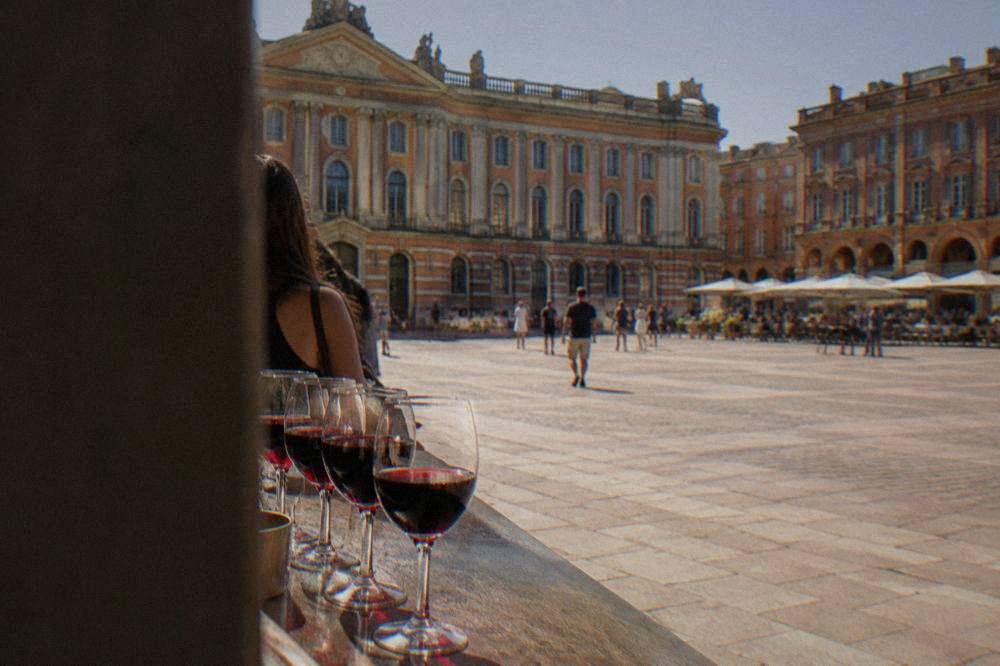
Can You Combine The Wine And The Dish On A Day Trip?
Yes, and the region makes it easy: the Gaillac wine country northeast of Toulouse is close enough for a day trip, and the same corner of the map also holds Albi and the hilltop village of Cordes-sur-Ciel, so a wine-and-cassoulet day can pair a vineyard visit with the towns the dish's neighbors call home. A coach day trip with audio guides covers Albi and Cordes-sur-Ciel from Toulouse without needing a car.
This is the version of the answer that turns a dinner decision into a full day. Eat the cassoulet in Toulouse, drink the Gaillac in Gaillac, and the pairing stops being theoretical. The vineyard area and the two towns sit in the same direction from the city, so one long loop covers all of it. The Gaillac wine route guide covers the vineyard stops themselves, and the Albi and Cordes-sur-Ciel day trip is the tour version of the same loop.
For the secrets of the dish itself, from the crust to the bean choice, read the secret to a good cassoulet, and for what belongs on the plate beside the wine, what the French eat with cassoulet.
Common Questions About Wine And Cassoulet In Toulouse
Quick answers to what planners ask most about the pairing.
What Wine Do You Drink With Cassoulet?
A medium-bodied local red with soft tannins and fresh acidity: a Fronton or a red Gaillac from the wine country around Toulouse. The acidity cuts the fat of the confit and sausage, and the dark fruit matches the savory depth of the beans.
Can You Drink White Wine With Cassoulet?
Yes, if it is fully dry. A dry white Gaillac has the fresh acidity the dish needs. Avoid anything sweet or off-dry, because residual sugar clashes with the salted beans and rich meat.
Is Rosé Acceptable With Cassoulet?
A dry, cool rosé works as a lighter option in warm weather, especially alongside the sausage. It will taste thinner against the confit than a red does, so it is a summer choice rather than the default.
Should The Red Be Served Cool Or At Room Temperature?
Slightly cool rather than warm: a red that sits a little below room temperature keeps its acidity lively against the fat of the dish. A red served too warm tastes soupy next to the beans.
Where Can You Taste These Wines Near Toulouse?
Toulouse wine bars pour the local reds by the glass, and the Gaillac wine country northeast of the city is reachable as a day trip, often combined with Albi and Cordes-sur-Ciel. Tasting before dinner is the practical way to pick your bottle.
Do You Need An Expensive Wine For Cassoulet?
No. Cassoulet is farmhouse food and the wines that suit it are inexpensive everyday bottles. Fronton and Gaillac are priced as weeknight wines in the region, and spending more adds oak and weight that the dish does not want.
For everything else on the city's tables and cellars, Toulouse Travel Guide covers the dish, the markets and the day trips in one place.