What Is The Most Famous Town In The Pyrenees?
The most famous town in the Pyrenees is Lourdes, and Toulouse in southwestern France is the natural base for reaching it. Here is what to know before planning the trip.
Toulouse, the pink-brick "La Ville Rose" on the Garonne in the Occitanie region of southwestern France, sits roughly 100 km from the Pyrenees, which makes it the natural city base for anyone asking about the range's famous towns. The question has a clear answer, and this page gives it directly, then explains how a visitor based in Toulouse can actually get to the mountains and what else the region offers. The short version: the most famous town in the Pyrenees is Lourdes.
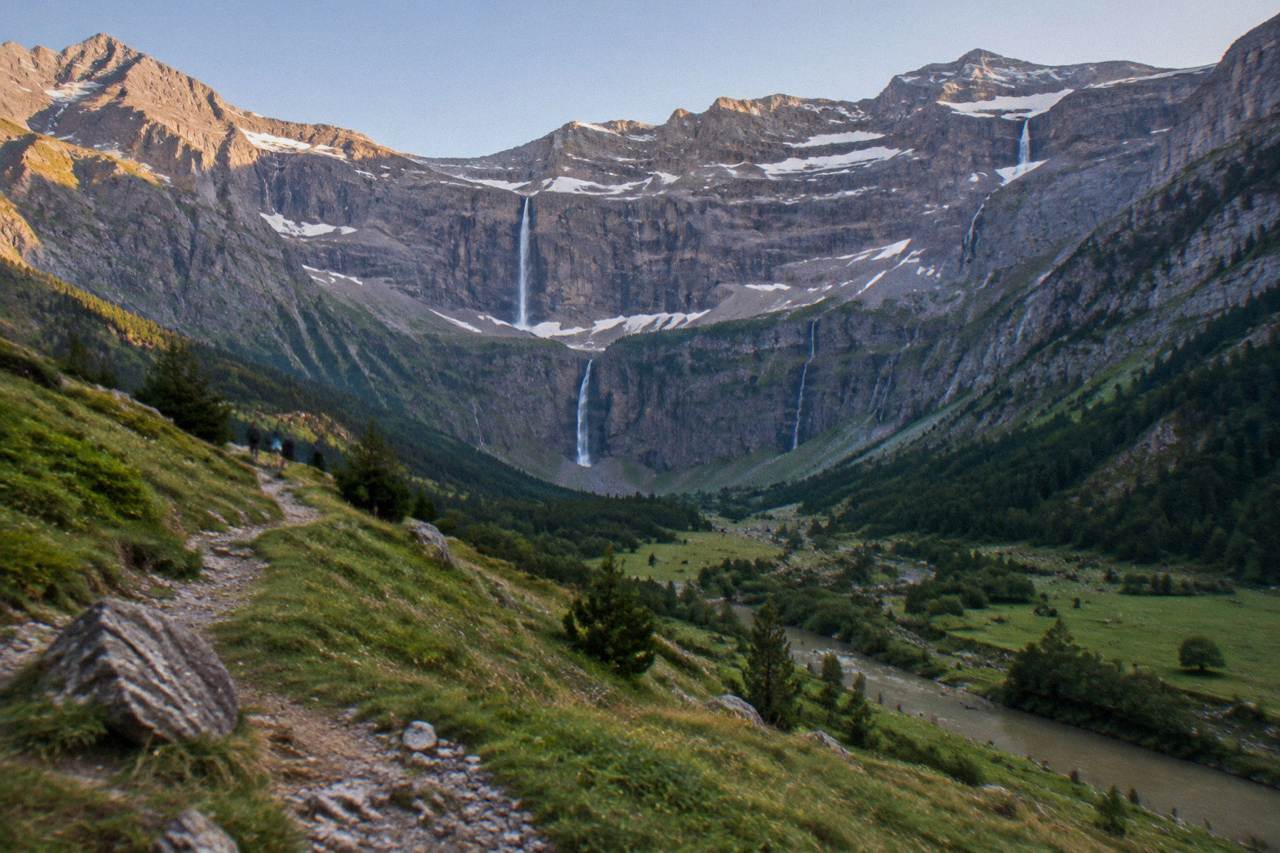
What Is The Most Famous Town In The Pyrenees?
The most famous town in the Pyrenees is Lourdes, the pilgrimage town on the French side of the range in southwestern France. Its grotto and basilica draw visitors from across the world, and a half-day excursion to the sanctuary runs from Toulouse. For pure mountain fame, no other town in the range carries the same recognition.
Lourdes owes its fame to its sanctuary: the grotto and the basilica are the two sites every listing of the town names first, and the excursion product from Toulouse is built around exactly those two places. The town sits in the foothills rather than on a high ridge, so a visit is about the sanctuary and the atmosphere of the pilgrimage site more than about hiking. Travelers who want the religious and historical heart of the French Pyrenees in one stop will find Lourdes delivers it.
It is worth separating fame from scenery. Lourdes is famous, but other towns in the range are better known for thermal springs, skiing or dramatic settings, and a visitor based in Toulouse can sample several of them on day trips. The mountains themselves are roughly 100 km south of the city, close enough that a Pyrenees day trip fits comfortably into a Toulouse itinerary, and this site's Pyrenees day trips guide covers the range in detail.
The fame question also has a practical side. A town being famous means it has the transport links, the ticketed excursions and the visitor infrastructure that make a short trip easy, and that is exactly why Lourdes works so well from a Toulouse base: the excursion exists, it runs on a schedule, and it covers the two sites the town is known for. A lesser-known mountain village may be prettier on paper, but reaching it can swallow half a day each way.
For readers deciding how the mountains fit into a wider trip, the closest city to the Pyrenees is a related question worth reading next, and so is the broader rundown of why Toulouse is so famous.
How Do You Reach The Pyrenees From Toulouse?
Toulouse sits roughly 100 km north of the Pyrenees, and the range is a day-trip destination from the city rather than a weekend commitment. Trains run south from Toulouse toward the mountains, and organized day trips cover the towns a rental car or a rail ticket would reach. The city is the practical base for the whole French side of the range.
The distance matters because it shapes the whole plan. At roughly 100 km, the Pyrenees are close enough that a morning departure from Toulouse puts a visitor in the foothills before midday. Nothing in the verified sources gives exact rail journey times for the mountain towns, so the honest advice is to check schedules for the specific town: the rail connection exists, but a figure printed here without a source would be a guess.
A few facts about Toulouse as a base are verified and worth having in one place:
| Fact | Figure | Source basis |
|---|---|---|
| Population of Toulouse commune | 514,819 | INSEE, population in 2023 |
| Nearest major airport | Toulouse-Blagnac, 7,621,409 commercial passengers in 2025, down 2.8% on 2024 | Airport press release |
| Airport-to-city link | Navette bus, one departure every 15 minutes, 20 to 40 minutes to the center | Airport access page |
The airport row matters for anyone flying in for a mountains-and-city trip. The tram line to the airport has been closed since 5 June 2023 and stays closed until the end of 2026, so the Navette bus is the public transport link, with a departure every 15 minutes. The site's Toulouse airport to city center guide covers that transfer in full.
Weather shapes the timing of any Pyrenees trip, and the verified climate record for Toulouse-Blagnac is a fair proxy for the city side of the foothills:
| Climate fact (Meteo-France 1991-2020, Toulouse-Blagnac) | Figure |
|---|---|
| Annual rainfall | 627 mm over 95.8 rain days |
| Wettest month | May, 73.6 mm |
| Driest month | February, 37.2 mm |
| Sunniest month | July, 258.6 hours |
| Annual sunshine | 2,075.1 hours |
| Record high | 42.4C on 23 August 2023 |
| Record low | -19.2C on 15 February 1956 |
The counterintuitive detail is that May, a month many people assume is dry, is the wettest of the year in the Toulouse record. July and August are the sunniest and driest months, which is why summer is when the mountain towns are at their busiest. The site's best time to visit Toulouse guide carries the full month-by-month breakdown.
If the plan is to see the mountains with someone else handling the driving, these are the excursions from Toulouse that fit a Pyrenees-focused trip:
What Other Famous Towns Sit Near The Pyrenees?
Lourdes leads on fame, but the region around Toulouse holds several other towns a visitor can reach on a day trip: Ax-les-Thermes in the mountains themselves, Carcassonne with its walled medieval city, and Albi with its UNESCO-listed heritage. Each one has its own character, and none requires an overnight stay from a Toulouse base.
Ax-les-Thermes is the mountain town on this site's own coverage list, a thermal spa town high in the range, and the Ax-les-Thermes guide explains what a day there involves. Carcassonne lies west of the mountains rather than in them, but for many international visitors it is the single most famous heritage town in the whole southwest, and the question why is Carcassonne so famous answers exactly that. Albi, to the northeast, is covered under what is Albi famous for.
A quick comparison of what each town is known for:
| Town | What it is known for | Covered on this site |
|---|---|---|
| Lourdes | Pilgrimage sanctuary, the grotto and the basilica | Day-trip excursions from Toulouse |
| Ax-les-Thermes | Thermal spa town in the high Pyrenees | /guides/ax-les-thermes/ |
| Carcassonne | Walled medieval city, a UNESCO-listed fortress | /guides/carcassonne/ |
| Albi | UNESCO-listed heritage and its brick cathedral | /guides/albi/ |
The Carcassonne excursion is the one this site features for travelers who want a famous-town day trip without the mountain drive. The trip runs by coach with transfer and free time in the walled city, and it suits visitors who would rather not arrange a rental car for a single day. For anyone weighing that option:
The same trip is worth a closer look as a standalone option:
One point worth adding before booking anything: the free time in Carcassonne is genuinely free, meaning a visitor can climb the ramparts, walk the lists and still fit lunch inside the walls. Travelers who prefer a structured visit with commentary throughout should read the listing carefully, because the balance of guided time versus independent time is the main thing that separates one Carcassonne product from another. The related question is Carcassonne worth visiting goes deeper on that decision.
Is The Pyrenees A Good Day Trip From Toulouse?
Yes, the Pyrenees work as a day trip from Toulouse, because the range lies roughly 100 km south of the city. A morning start reaches the foothills by midday, and organized excursions, trains and rental cars all cover the distance. Visitors who want time in the high passes should still consider an overnight in one of the mountain towns.
The honest framing is that a day trip gives a taste, not the whole range. The towns closest to the French side's entry points are reachable and rewarding, but the high Pyrenees reward a slower pace. For a one-day plan built around the city itself, the one day in Toulouse itinerary shows what fits before or after a mountain day, and how many days is enough for Toulouse helps with the overall budget of time.
There is also a seasonal argument to weigh. The Toulouse climate record shows July with abundant sunshine and only 40.1 mm of rain, which is prime visibility for high-mountain viewpoints, while the shoulder months bring greener valleys and emptier streets at the cost of changeable weather.
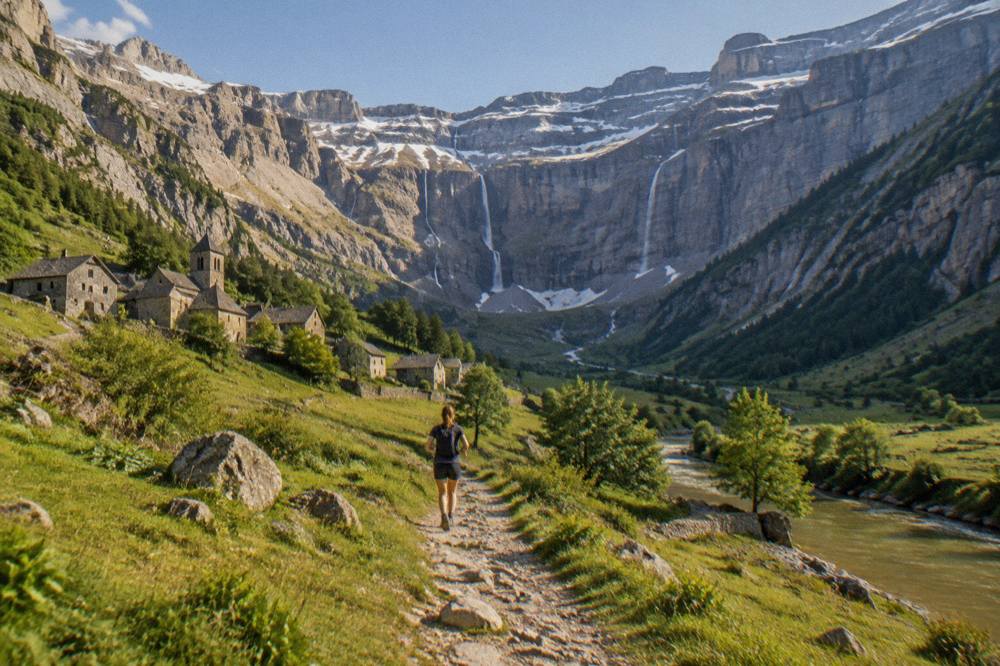
For readers building the wider southwest trip, these are the site's featured excursions from Toulouse, including the mountain-region options:
One planning note: summer is the sunniest window in the Toulouse climate data, so mountain visibility is best then. May, the wettest month at 73.6 mm, is the one to approach with a flexible plan. Beyond that, the what is Toulouse famous for guide rounds out the city side of the trip, and this Toulouse Travel Guide site carries the full coverage of the region.
Common Questions About The Most Famous Town In The Pyrenees
Quick answers to what planners ask most about the Pyrenees and a Toulouse base.
What is the most famous town in the Pyrenees?
Lourdes is the most famous town in the Pyrenees. Its sanctuary, the grotto and the basilica, is the site the town is known for worldwide, and excursions to it run from Toulouse.
How far are the Pyrenees from Toulouse?
Roughly 100 km south of the city. The range is close enough for day trips, which is why Toulouse is the standard base for the French side.
Can you visit the Pyrenees without a car from Toulouse?
Yes. Trains run south from Toulouse toward the mountains, and organized day trips cover the main towns. Check schedules for the specific destination before committing to a plan.
Is Lourdes worth visiting if you are not religious?
Visitors come for the sanctuary's history and scale rather than pilgrimage itself. The grotto and basilica are the town's core sights, and a half-day excursion from Toulouse covers them.
What is the best month for a Pyrenees day trip from Toulouse?
July is the sunniest month in the Toulouse climate record, at 258.6 hours of sunshine, and it is a safe choice for visibility. May is the wettest month at 73.6 mm, so keep plans flexible then.