Collioure
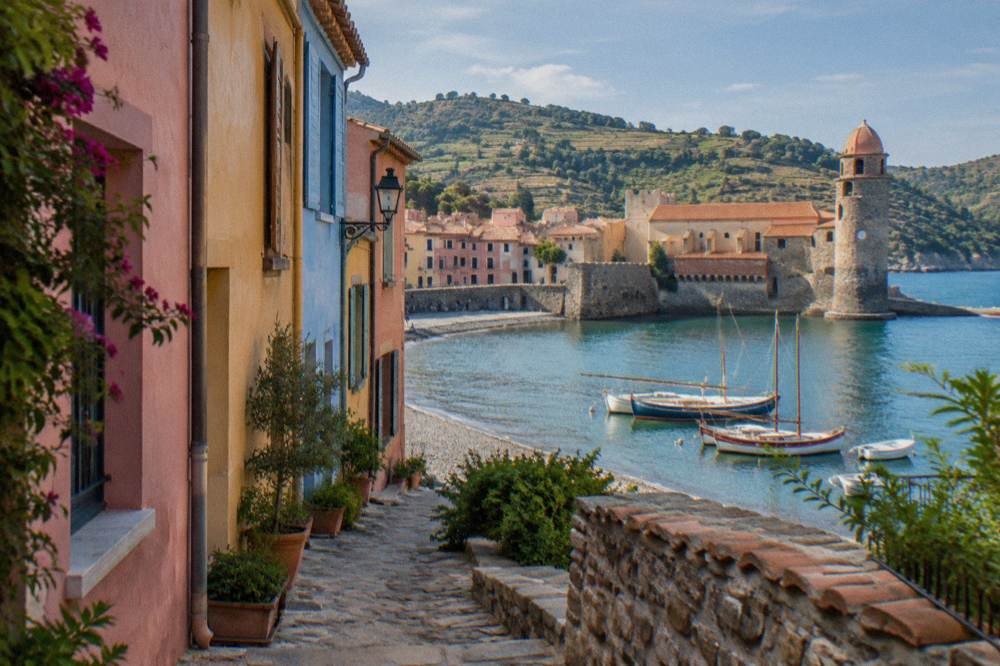
Collioure is the Mediterranean village Toulouse travelers talk about most when the pink brick starts to feel far from the sea, and this page explains how to plan the trip honestly, with the verified fares and figures this site holds.
Short answer
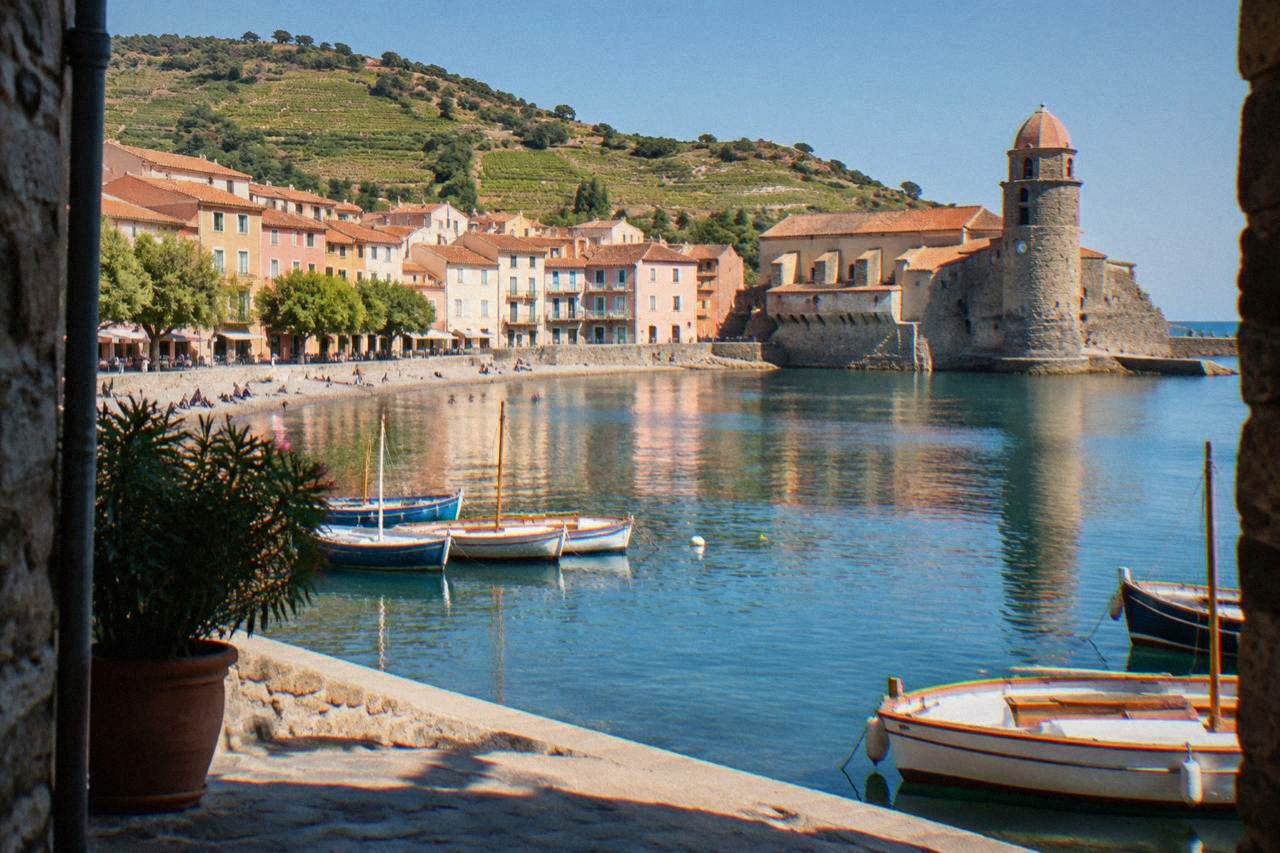
Collioure is a small Mediterranean fishing village near the Spanish border, reached from Toulouse as a long day trip by rail or car. There is no verified direct train time in this site's sources, so plan a full day, book nothing on invented figures, and consider an overnight stay instead of rushing back.
Toulouse is an inland city, a pink-brick prefecture on the Garonne in the Occitanie region of southwestern France, and that is exactly why Collioure occupies a special place in the imagination of people planning trips from it. Collioure is a small Mediterranean fishing village close to the Spanish border, famous for its brightly painted houses clustered around a harbor, its royal castle standing at the water's edge, and the painters who came to work there. This page, from the editorial desk of Toulouse Travel Guide, plans the trip using only the figures this site has verified from primary sources, and it says plainly where a number is not in the sources at all.
Where Is Collioure, And Why Do Toulouse Travelers Go There?
Collioure sits on the Mediterranean coast in the far south of France, near the border with Spain, roughly opposite the stretch of coastline where the Pyrenees meet the sea. From Toulouse, an inland city on the Garonne, it is a long day trip by rail or car, and the village is known for its painted houses, its royal castle on the harbor, and the artists who worked there.
Toulouse has no sea of its own. The city stands on the Garonne and the Canal du Midi, and the Pyrenees lie roughly 100 km to the south, which makes any mountain or coast content a day-trip matter rather than a city activity. Collioure is the answer many travelers settle on when they want the Mediterranean within reach of a Toulouse base: a compact village you can walk across, with a castle, a church at the water's edge, small beaches, and a reputation built on painting and anchovies.
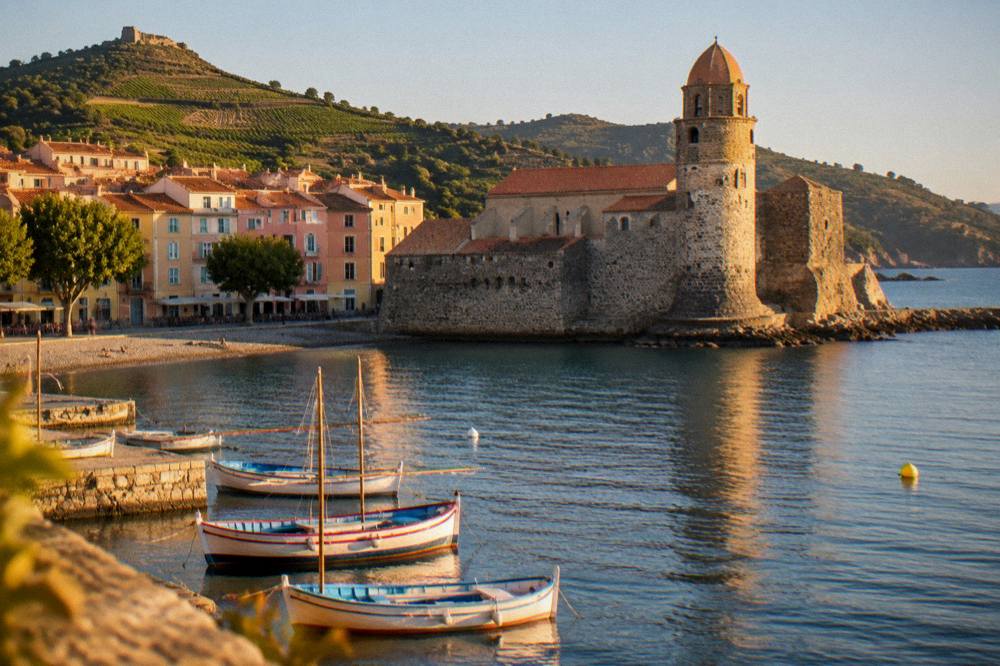
The village's fame among painters is its real signature. Collioure is associated with the Fauvist painters, who came for the light on the water and the saturated colors of the buildings, and the village still trades on that heritage today. The village is what you can see: a harbor, a castle, a church, streets of painted facades, and the sea.
For comparison, other popular day trips from Toulouse head in different directions: the medieval walls of Carcassonne, the cathedral town of Albi, or the hilltop village of Cordes-sur-Ciel. Collioure is the coastal option, and that alone shapes the planning: the day is longer, the season matters more, and the weather is a different question from Toulouse's own.
How Do You Get From Toulouse To Collioure?
The trip is made by train with a connection, or by car, and no duration or price can be quoted for it.
This is where honesty matters, because plenty of guides will quote you a train time. The rail figures this site holds for Toulouse-Matabiau are marked not verified for the destinations that were checked, and Collioure was not among them at all. So this page gives you the shape of the trip and nothing invented: you travel south from Toulouse, the route runs toward Perpignan on the coast, and Collioure has its own station on the coastal line. Confirm the connection and the timetable on the rail operator's own site before you plan the day around it.
What can be said is structural: the route leaves Toulouse heading south toward the mountains and then turns toward the coast, and parking in a village of Collioure's size is a real consideration in high summer, so arrive early or plan for a walk in from a peripheral lot.
The Tisseo catalogue, the city transit operator's official price list, gives these fares:
| Tisseo ticket | Price |
|---|---|
| Single trip | EUR 1.90 |
| Single trip bought last-minute on board | EUR 2.50 |
| 10 trips | EUR 16.00 |
| Day pass | EUR 7.20 |
| 3-day pass | EUR 14.30 |
Note there is no 2-day pass in the catalogue. If you are doing several day trips from Toulouse in one stay, the 3-day pass at EUR 14.30 covers your local transit on three of them, which is cheaper than buying eight single trips individually.
If your Collioure plan is part of a longer French itinerary that starts with a flight, the airport facts are verified: Toulouse-Blagnac handled 7,621,409 commercial passengers in 2025, down 2.8% on 2024, and the Navette airport bus runs one departure every 15 minutes, taking 20 to 40 minutes to the center. The tram line T2 to the airport has been closed since 5 June 2023 and stays closed until the end of 2026, so do not plan around it.
What Makes Collioure Different From Other Day Trips From Toulouse?
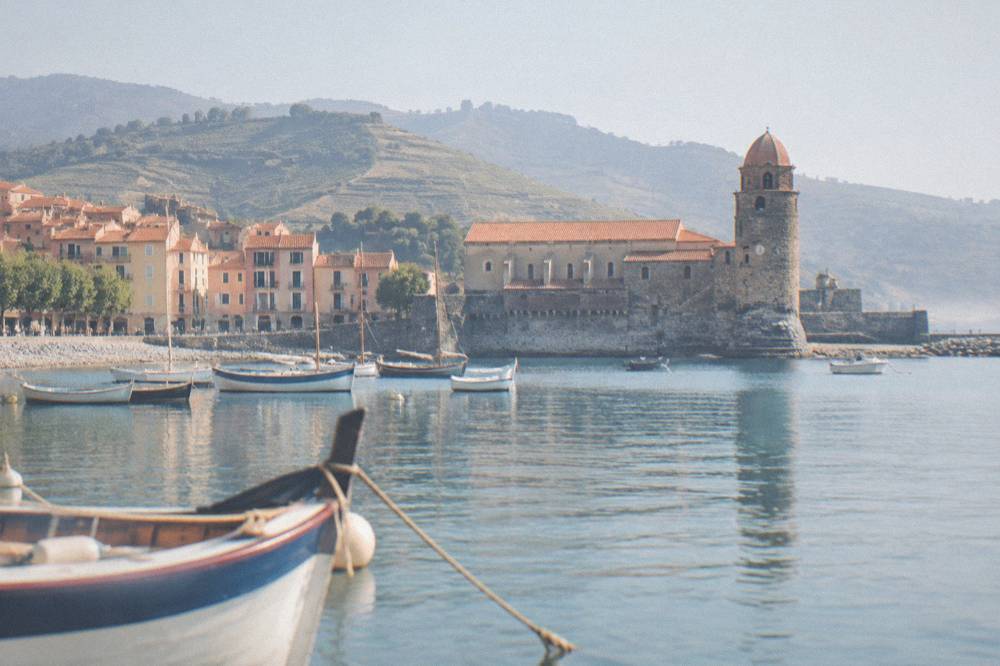
Collioure is the only Mediterranean village among Toulouse's classic day trips, which changes the whole rhythm of the day: it is the one destination on this site's list where the plan revolves around the sea, the light and the season rather than a cathedral, a castle interior or a museum. That also makes it the longest, most weather-dependent trip of the set.
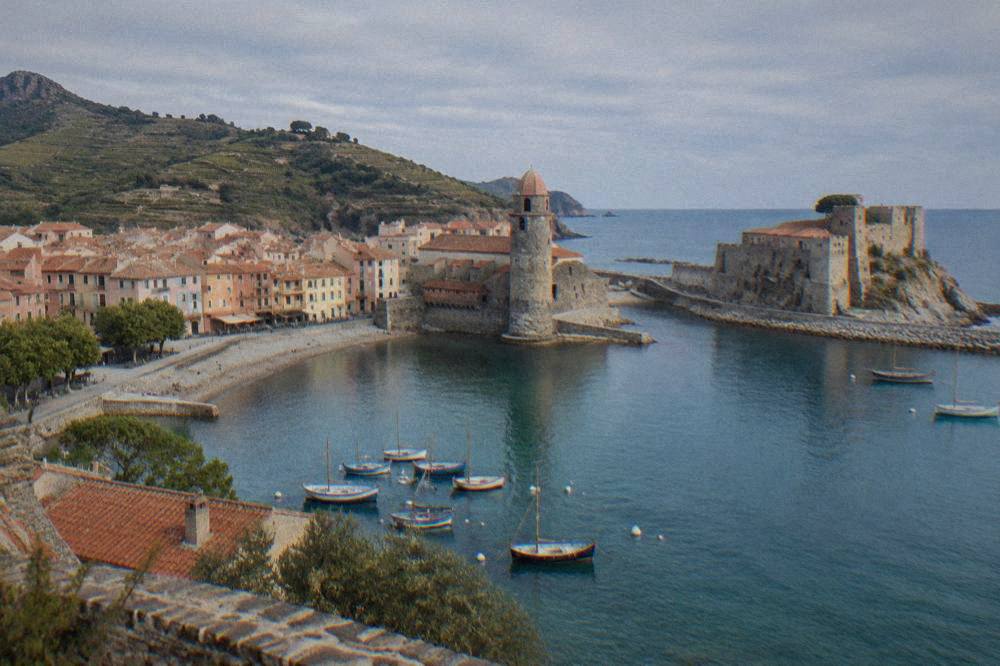
Compare the directions. Carcassonne gives you a fully walled medieval city. Albi and Cordes-sur-Ciel give you brick and hilltop stone. The Pyrenees and the Cathar castles give you mountains and dramatic ruins. Collioure gives you the sea, and that is the entire reason to choose it: the harbor, the castle standing in the water, the church of Notre-Dame-des-Anges right on the beach, and streets that exist for painters rather than for armies.
That difference has practical consequences. A cathedral town is pleasant in any weather; a coastal village is at its best in sun and can feel thin in a cold wind off the water. A museum day trip is a half day; Collioure rewards the longest day you can give it, because the harbor changes completely between morning light, midday crowds and evening. And a village built around a harbor is walked, not driven: once you arrive, everything on your list is within a short walk of the station and the water.
For travelers who prefer a guided day out of Toulouse, the site's featured option on this page is the Albi and Cordes-sur-Ciel day trip, which heads inland instead of to the coast. It is a different kind of day, but it is the one this site can present with a fully verified listing, and you can Check availability alongside the internal guide page. The listing covers the Albi cathedral town and the hilltop village of Cordes-sur-Ciel in one guided day out of the city, with audio guides at the stops.
The card below shows the same trip with its live price, rating and review figures rendered from the operator's listing, which is the only place those numbers should ever come from.
When Should You Plan A Collioure Day Trip?
Plan around the Mediterranean summer and the shoulder months either side of it, while understanding that this site's verified climate data covers Toulouse, not the coast, so it sets the rhythm of your departure city rather than the weather waiting at the destination. Check the coastal forecast separately, and treat the village's high season as the busiest and warmest window.
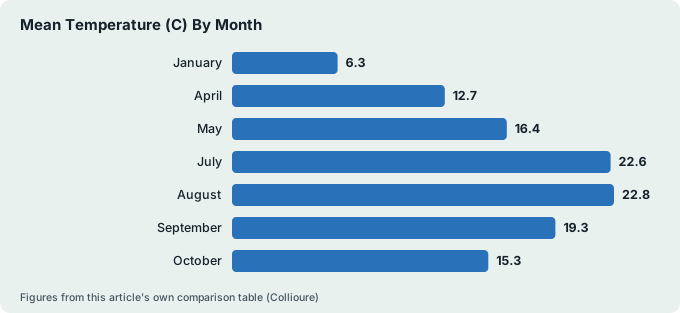
The verified climate record this site holds is the Meteo-France 1991-2020 normals for the Toulouse-Blagnac station, and they describe your starting point. Toulouse averages 627 mm of rain a year over 95.8 rain days, with 2,075.1 hours of sunshine, and its wettest month is not in winter: May averages 73.6 mm, ahead of April at 65.2 mm and June at 64.2 mm. July is the sunniest month at 258.6 hours of sunshine with just 40.1 mm of rain, and the records run from 42.4C on 23 August 2023 down to -19.2C on 15 February 1956.
| Month | Mean temperature (C) | Rain (mm) | Sunshine (hours) |
|---|---|---|---|
| January | 6.3 | 52.5 | 89.1 |
| April | 12.7 | 65.2 | 188.5 |
| May | 16.4 | 73.6 | 212.3 |
| July | 22.6 | 40.1 | 258.6 |
| August | 22.8 | 44.6 | 246.4 |
| September | 19.3 | 45.7 | 210.1 |
| October | 15.3 | 54.3 | 155.2 |
Read that table as a Toulouse table, not a Collioure one. The coast has its own climate, milder in winter and shaped by the sea, and this site holds no verified coastal figures, so the honest move is to check the forecast for the village itself before you commit to a date. What the Toulouse data does tell you is when your departure day is likely to be pleasant, and the numbers point at July and August as the sunniest, driest window, with September as a strong shoulder-month candidate: 210.1 hours of sunshine in Toulouse and the summer heat beginning to ease.
The trade-off is crowds. A village of Collioure's size, on a coast that French and Spanish holidaymakers both reach easily, is at its fullest in July and August, and this site will not invent a crowd statistic because none is verified. The structural advice stands on its own: if you want the harbor to yourself for an hour in the morning, go in the shoulder season and go early; if you want the warmest water and the longest light, accept the summer and plan around it.
If the coastal forecast or the long transit makes you hesitate, a guided inland day trip is the lower-risk booking: the operator's listing carries the cancellation terms, and you can decide closer to the date.
What Should You Actually See In Collioure?
The village's sights are few and all within a short walk of each other: the royal castle at the harbor entrance, the church of Notre-Dame-des-Anges standing at the water's edge, the small beaches that frame the bay, and the streets of painted houses that the painters came for. A single unhurried loop on foot covers all of it, and the harbor itself is the main event.
The Château Royal is the landmark. It stands at the mouth of the harbor, and it dominates every view of the village from the water side. This site holds no verified admission price, no opening schedule and no founding date for it, so check the castle's own information before you visit rather than trusting a figure copied from another page. What is certain without a source is the impression: a fortress-scale building standing directly on the Mediterranean in a village of painted houses.
Notre-Dame-des-Anges is the second landmark, a church whose bell tower sits right beside the beach at the edge of the old town. It is the building that appears in the famous painted views of the harbor, and it makes the walk along the waterfront the village's essential route. From there, the beaches: Collioure's bays are small, sitting between the castle and the headlands, and they fill early in summer.
The painters' heritage is the thread that ties the walk together. The village is strongly associated with the Fauvist movement, whose members came for the color and the light, and plaques and reproductions around the streets mark the spots where well-known canvases were made.
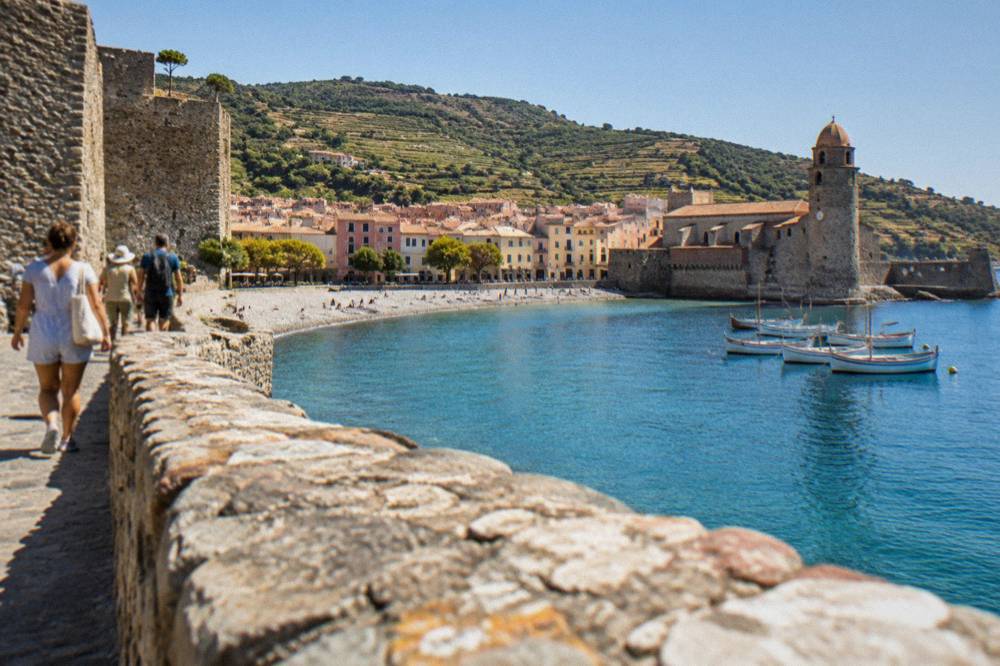
A practical note on the walking itself: the village is compact and steep in places, with stepped lanes climbing away from the water, so wear shoes that handle stone steps and cobbles. Give the castle and the waterfront loop the morning, eat long at midday, and keep the late afternoon for the light on the harbor, which is the hour the village is famous for.
What About Food And Wine In Collioure?
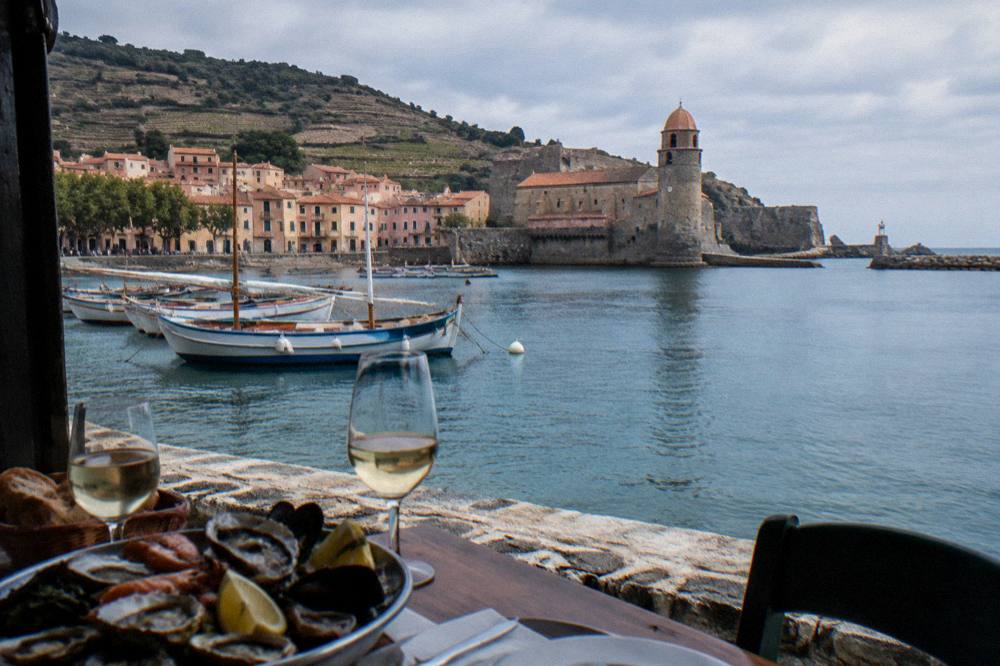
Collioure is known for anchovies and for its own coastal wine appellation, and those two things plus the day's seafood are the food plan: taste the anchovy preparations, drink the local wine with the view, and treat any specific restaurant recommendation with suspicion because this site has verified none. The village's food identity is real, but this page will not rank its tables.
The anchovy identity is genuine and long-standing: the village's cured anchovies are its signature food product, sold in the shops and served in preparations across the village's tables. The wine identity sits beside it, a small appellation grown on the hills around the village, reds and rosés from slopes that look straight at the sea.
The general planning advice for tastings anywhere in the region is a range you check on the spot rather than a promise: tasting fees vary by producer, so ask before you sit down.
For a Toulouse comparison point on guided food experiences, this site's verified roster includes several food and wine tours in Toulouse itself, and the honest framing is that their prices and ratings render from the listings, not from this page's prose. If a food-focused day in Toulouse appeals more than a coastal one, the food guide at Toulouse food covers the city's own table, including the cassoulet question that brings many travelers here in the first place.
Should You Stay Overnight Instead Of Rushing Back?
For most trip plans, yes: Collioure rewards an overnight far more than a rushed return, because the long travel day each way eats the hours when the village is at its best, the evening and the early morning. Staying over converts a transit-heavy day into a real stay, and this site quotes no hotel rate because none is verified, so book on live listings rather than on any figure printed here.
The arithmetic is structural rather than numerical. Every guide that quotes a Toulouse-to-Collioure travel time is quoting a figure this site could not verify, but the shape of the day is not in dispute: it is a long ride there and a long ride back, on a route that crosses toward the coast. A day trip means you see the village in the middle of the day, between two long transits, and you leave exactly as the harbor light turns golden. An overnight means you get the evening meal by the water and the village to yourself in the early morning, which is the version of Collioure the painters worked in.
On lodging costs, this page stays silent by design. No hotel rate, no nightly price and no tourist-tax figure for Collioure is in the verified sources. The only tourist-tax figure this site holds anywhere is the Toulouse Metropole one, and it does not apply to a village in another department: non-classified or pending-classification lodging in Toulouse Metropole pays 5% of the pre-tax nightly price per person, and that is a Toulouse figure, quoted here only so you do not mistake it for a coastal one.
If an overnight is not in the plan, the compromise is a ruthless one: leave Toulouse on the earliest departure you can manage, accept that you will see the village in daylight hours only, and pick a season when daylight lasts longest. Alternatively, flip the trip and stay somewhere on the coast for two nights, using Collioure as one stop on a coastal loop that could include Narbonne on the way down, a Roman city with its own cathedral-scale attraction and a link this site covers separately.
How Does Collioure Compare With The Other Classic Day Trips From Toulouse?
Collioure is the coast option in a day-trip set that otherwise runs to walled cities, cathedral towns, hilltop villages and mountains, and the choice between them comes down to what kind of day you want: sea and light at Collioure, medieval stone at Carcassonne, art and brick at Albi, or peaks in the Pyrenees. Each has its own season and its own rhythm.
The honest comparison table is not one of invented travel times, because this site has none for most of these routes. It is a table of what each destination is, and what kind of traveler each one suits.
| Day trip from Toulouse | What it is | Best suited to |
|---|---|---|
| Collioure | Mediterranean fishing village with a harbor castle and painters' heritage | Travelers who want the sea and a slow walking day |
| Carcassonne | Fully walled medieval city, a UNESCO-listed site | First-time visitors wanting the big-name landmark |
| Albi | Brick cathedral town with a major art museum | Art and architecture travelers |
| Cordes-sur-Ciel | Hilltop village of craft streets | Photographers and market browsers |
| The Pyrenees | Mountain day trips roughly 100 km south | Hikers and cooler-weather planners |
| Lourdes | Major pilgrimage sanctuary | Pilgrims and reflective day trips |
Two honest notes on that table. Second, the season column matters: Collioure is a warm-month destination in a way the others are not, and a February plan should probably point at Rocamadour or the Cathar castles instead of the beach.
For guided options on the inland routes, the site's roster carries verified listings whose prices and ratings render from their cards, never from this prose:
What Does A Collioure Trip Cost, And What Can You Plan In Advance?
The verified costs you can lock down before the trip are the Toulouse-side ones: EUR 1.90 for a single transit trip, EUR 7.20 for a day pass, and EUR 26 for the tourist office's Pass Tourisme if museums are on your city agenda. For the Collioure leg itself, no rail fare, no castle admission and no hotel rate is verified on this site, so those numbers come from live listings and official pages, not from here.
The Pass Tourisme deserves a word even on a coastal page, because your Collioure day probably sits inside a longer Toulouse stay. The tourist office's pass costs EUR 26 for stays of one to three days, pays off from the third activity, includes a free guided tour from the tourist office, and adding EUR 10 buys ten public-transport trips. The normal rates the office lists against the pass are real savings on the city's museums:
| Attraction in Toulouse | Normal rate | With the Pass Tourisme |
|---|---|---|
| Fondation Bemberg | EUR 12 | Free |
| Museum de Toulouse | EUR 12 | Free |
| Les Abattoirs | EUR 12 | Free |
| Musee des Augustins | EUR 5 | Free |
| Couvent des Jacobins | EUR 5 | Free |
| Cite de l'espace | EUR 29 | Discounted, not free |
Two timing warnings travel with that table. The Musee des Augustins is temporarily closed from 21 September to 2 October 2026 for great-cloister works, with its Gothic halls reopening on 3 October 2026 from 10:00. The Couvent des Jacobins is free on the first Sunday of the month except when a temporary exhibition is on, and that rule is stated for the Jacobins only, so do not generalize it to the other museums.
If a coastal day proves too long or too weather-dependent for your dates, the guided day trips below are the booked alternatives this site can present with verified listings, and their live prices and ratings render from the operator data rather than from this page.
For the coastal leg, the planning ranges are honest ranges, not promises: check the rail operator's site for the fare, the castle's own page for admission, and live lodging listings for the overnight option. The one thing you can decide today is the shape of the day, and the shape that works is an early start, a walking loop of harbor, castle and church, a long lunch, and a decision made in advance about whether the return is that evening or the next morning.
Common Questions About A Collioure Day Trip From Toulouse
Quick answers to what planners ask most about a Collioure day trip.
How far is Collioure from Toulouse?
Verified sources do not provide a distance or a journey time for Toulouse to Collioure. The trip is a long one by rail or car, heading south toward the coast, and you should check a mapping service or the rail operator's own site for the current number rather than trust a guide that quotes one from memory.
Can you do Collioure as a day trip from Toulouse?
Yes, but it is the longest day-trip shape on this site's list, and the travel on both ends eats the hours when the village is at its best. A day trip works with an early start and a disciplined return; an overnight converts the same transit into a real stay and gives you the evening and early morning by the harbor.
What is Collioure famous for?
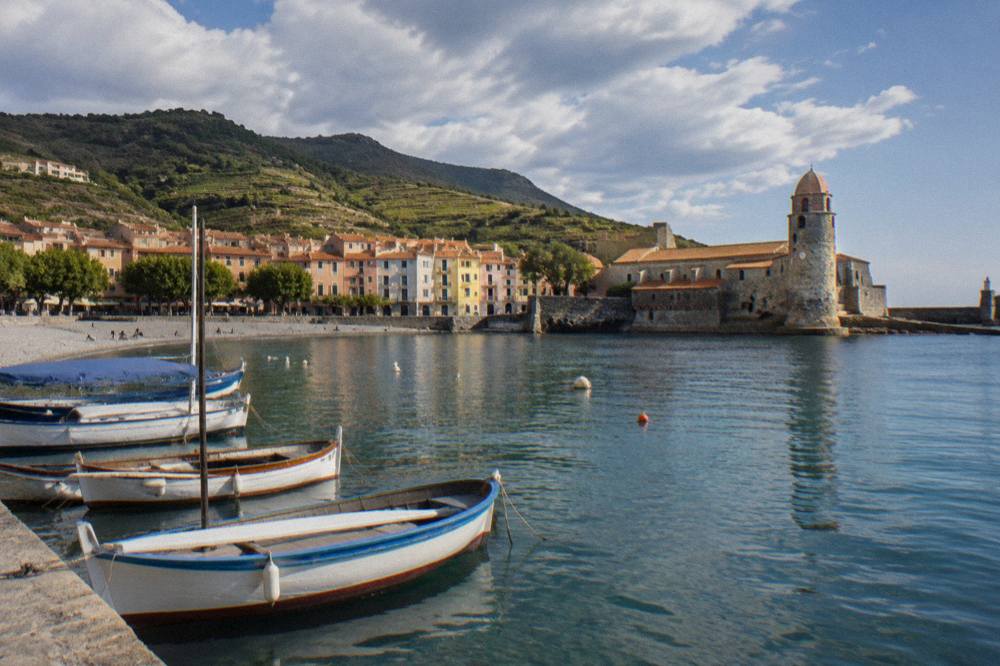
Collioure is famous as a Mediterranean fishing village of brightly painted houses around a harbor, with a royal castle at the water's edge and a church standing on the beach. It is strongly associated with the Fauvist painters who came for the light and color, and it is known for its cured anchovies and its own coastal wine appellation.
Do you need a car in Collioure?
No. The village itself is compact and walked entirely on foot, with stepped lanes climbing from the harbor, so comfortable shoes matter more than a car once you arrive. The car question is only about the journey there, and both rail and driving are options for the trip from Toulouse.
When is the best time to visit Collioure?
The warm months and the shoulder seasons either side of them, with the caveat that this site's verified climate data covers Toulouse rather than the coast. In Toulouse, July is the sunniest month at 258.6 hours of sunshine with only 40.1 mm of rain, and September still averages 210.1 hours. Check the coastal forecast separately before booking.
Are there guided tours from Toulouse to Collioure?
The guided day trips this site does present from Toulouse head inland, to Albi, Cordes-sur-Ciel and Carcassonne, and their prices and ratings render from their listings rather than from this page.
The final planning decision is the honest one: Collioure is the coastal day trip from Toulouse, it deserves the longest day you can give it, and every number that matters for the coastal leg should come from a live listing or an official page rather than from a guide that invented it. Plan the Toulouse side with the verified fares above, give the village the evening if you possibly can, and the pink brick will still be there when you get back.