Musee Georges Labit
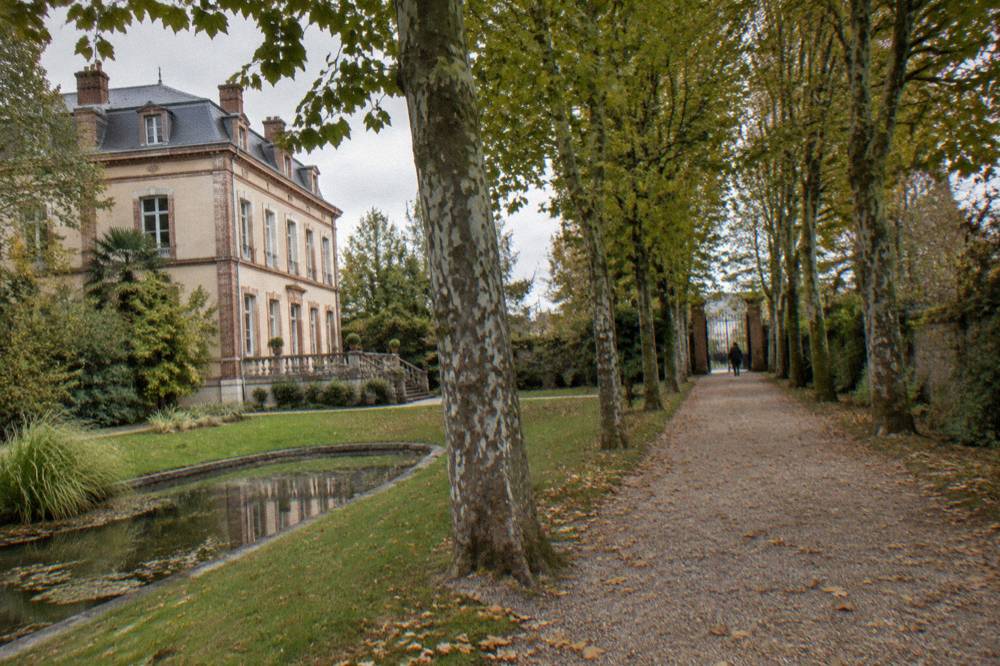
The Musee Georges Labit sits at the edge of the Jardin des Plantes in Toulouse, in southwestern France, and holds the city's collection of Asian art and Egyptian antiquities in a small, quiet building far from the Capitole crowds.
Short answer
The Musee Georges Labit is a small museum of Asian art and antiquities in Toulouse standing beside the Jardin des Plantes. The city's transport network reaches it on a single ticket, and the surrounding quarter packs a natural history museum, a botanical garden and a Japanese garden into a short walk.
The Musee Georges Labit stands in Toulouse, the pink-brick "La Ville Rose" on the Garonne in the Occitanie region of southwestern France, at the leafy southeastern edge of the city center beside the Jardin des Plantes. It is a small museum with a narrow focus: Asian art and Egyptian antiquities, displayed in a compact building of Moorish inspiration that looks nothing like the city's great municipal museums. Where the Musee des Augustins holds European painting and sculpture in a former convent, and the Museum de Toulouse fills a natural history hall a few hundred meters away, the Musee Georges Labit keeps to its own quiet corner of the world.
That corner is the point. This is a museum you can see in an hour, wrapped around a garden quarter that rewards a slow morning. This guide from Toulouse Travel Guide covers what the museum holds, how to reach it on the city's transport network, what admission and the tourist office's Pass Tourisme do and do not cover, and how to build a full day around the Jardin des Plantes district.
What Is The Musee Georges Labit?
The Musee Georges Labit is Toulouse's museum of Asian art and Egyptian antiquities, housed in a small purpose-built pavilion beside the Jardin des Plantes. It is one of the city's most specialized museums, and its collection runs from ancient Egypt through China, Japan, India and Southeast Asia, shown in galleries small enough to cover in a single unhurried visit.
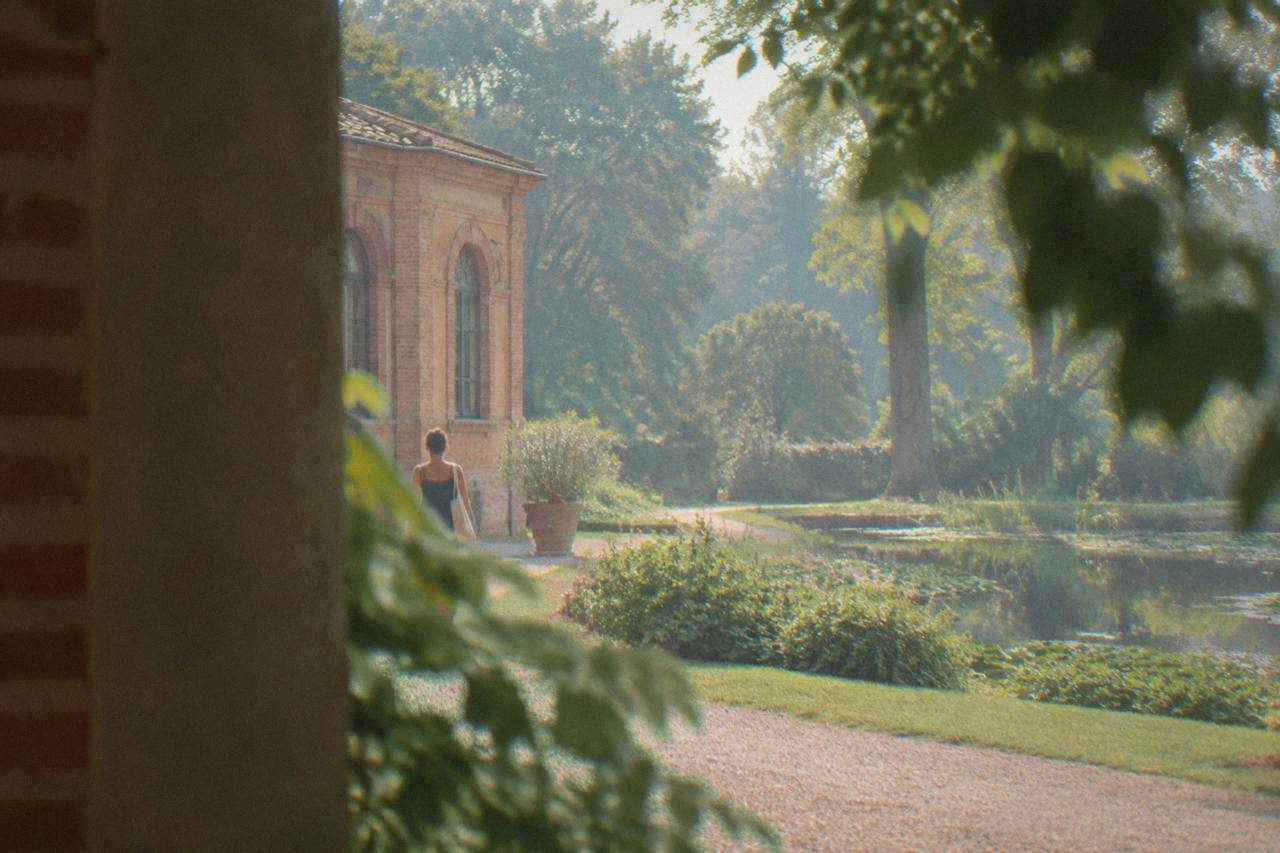
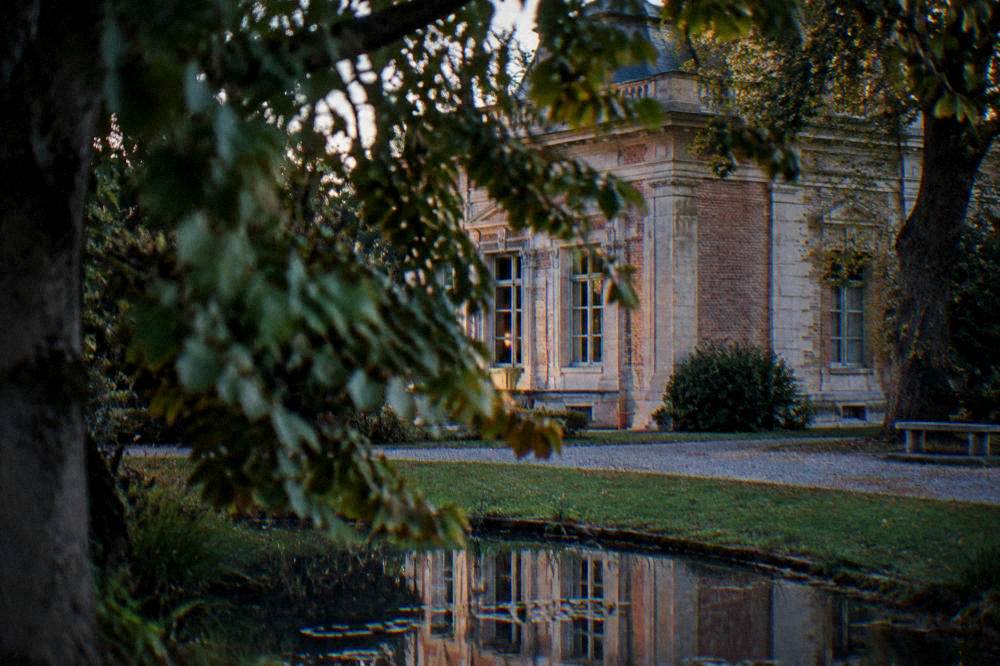
The museum takes its name from the collector whose holdings formed its core. The building itself is part of the attraction: a compact, ornate pavilion in brick, deliberately exotic in style for the Toulouse streetscape, standing among the trees at the garden's edge. Where the city's larger museums ask for half a day, this one asks for an hour of attention, which makes it a natural pairing with the gardens and the natural history museum around it rather than a destination in isolation.
The collection's strength is its range across civilizations rather than its depth in any single one. Galleries move from Egyptian funerary pieces to Chinese ceramics, Japanese prints and sculpture, and Indian and Southeast Asian religious art. For a visitor coming from the Capitole or the Basilique Saint-Sernin, the shift is total: nothing here is Gothic, nothing here is pink brick, and that contrast is exactly what the museum offers.
It helps to set expectations honestly. This is a small museum, and the city does not market it the way it markets the aerospace sites or the Jacobins. What it delivers is a calm, uncrowded hour among objects most French regional cities do not collect at all, in a district that is one of the greenest walks in Toulouse.
Where Is The Musee Georges Labit And How Do You Get There?
The Musee Georges Labit stands on the edge of the Jardin des Plantes in southeastern central Toulouse, and the Tisseo network reaches the district on a standard single ticket at EUR 1.90, with a day pass at EUR 7.20 covering unlimited metro, tram and bus rides for 24 hours. The museum is a short walk from the garden's main gates.
The Jardin des Plantes quarter sits between the Garonne and the canal-side boulevards, a flat, walkable district. From the tourist office near the Place du Capitole the walk crosses the city center at an easy pace, and the district is served by the Tisseo network whose official e-boutique catalogue lists the fares below.
| Tisseo ticket | Price | What it covers |
|---|---|---|
| Single trip | EUR 1.90 | One journey, metro, tram or bus |
| Single bought on board | EUR 2.50 | Last-minute purchase on the vehicle |
| 10 trips | EUR 16.00 | Ten journeys, shareable |
| Day pass | EUR 7.20 | Unlimited travel for 24 hours |
| 3-day pass | EUR 14.30 | Unlimited travel for three days |
| Airport single | EUR 9.50 | Tisseo network plus the Navette aeroport |
Two practical notes from the official catalogue: there is no two-day pass, so a visitor staying two days chooses between singles, the 10-trip carnet or the day pass. And the airport single is a separate product because it bundles the Navette aeroport, the airport bus that runs one departure every 15 minutes and takes 20 to 40 minutes to the center; tram T2 to the airport has been closed since 5 June 2023 for the Line C metro works and stays closed until the end of 2026, so the bus is the public-transport link from Toulouse-Blagnac.
For visitors who prefer a guided structure over self-navigation, a city walking tour reaches the major monuments in a single loop, and the museum district slots easily into a free afternoon afterward. The tours below are the site's featured options for that kind of visit.
A private guide offers a different trade: the route bends to your interests, and the Jardin des Plantes quarter, usually skipped by the standard monument circuits, becomes a natural add-on when the guide sets the pace.
What Will You See Inside The Musee Georges Labit?
Inside the Musee Georges Labit you move through galleries of Egyptian antiquities and Asian art, from Chinese ceramics and Japanese prints to Indian and Southeast Asian sculpture, all displayed at a scale that suits a visit of roughly an hour. The building's ornate brick pavilion is part of the experience, framing objects from civilizations far from Toulouse.
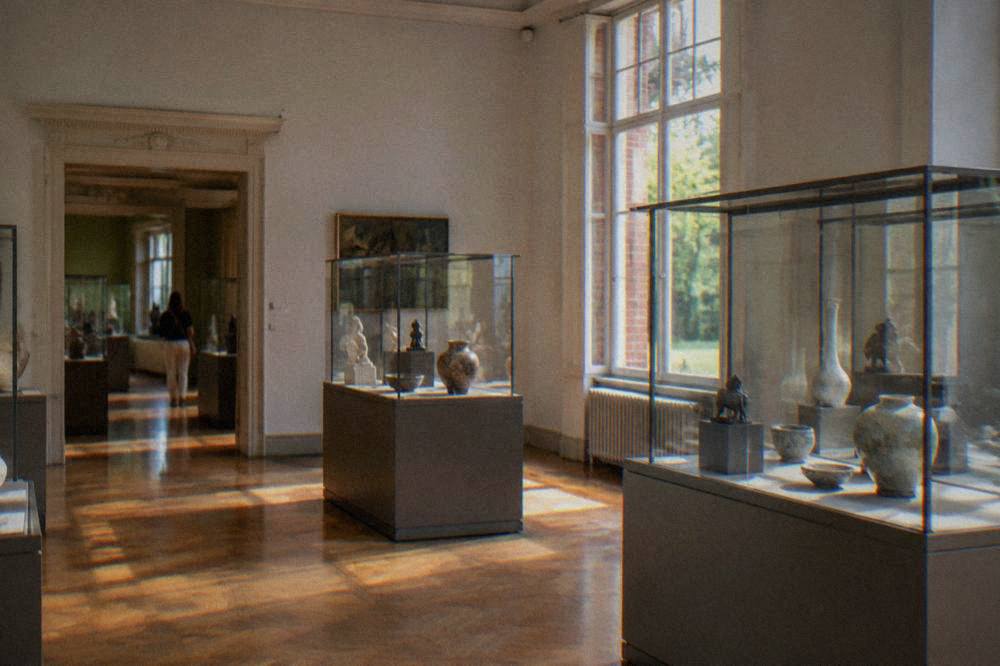
The Egyptian galleries hold the funerary and small-scale pieces typical of a French collection of this kind. The Asian galleries carry the wider load: Chinese ceramics across dynasties, Japanese woodblock prints and lacquerwork, and religious sculpture from India and Southeast Asia. Because the museum is compact, the hang can be generous, and the cases invite close looking rather than a forced march.
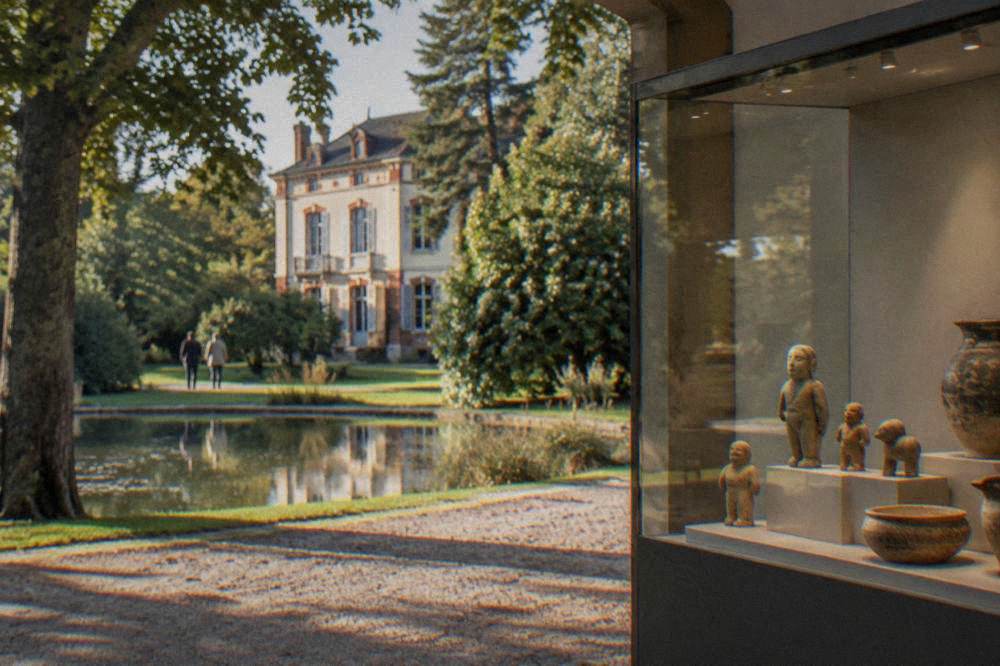
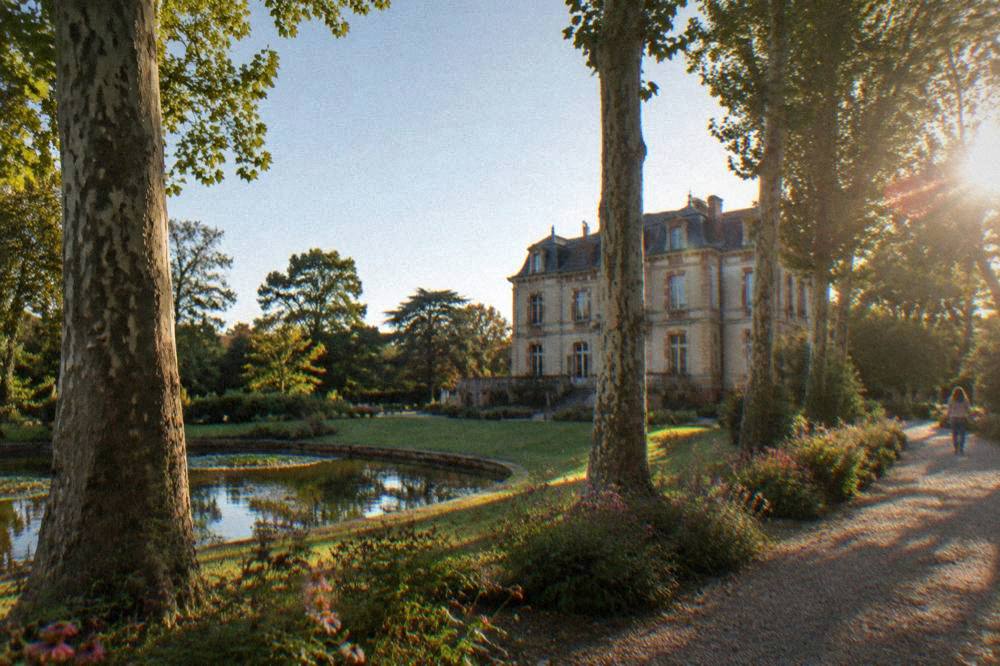
The honest framing matters here: the Musee Georges Labit does not compete with the great Asian-art collections of Paris, and it does not try to. What it offers is range, intimacy and a setting that few museums anywhere share, a pavilion among plane trees at the edge of a botanical garden. Visitors who love the objects stay an hour or more; visitors who love the quarter use the museum as the cultured anchor of a garden morning.
If machines rather than antiquities pull at you, Toulouse has one more singular site, and it pairs surprisingly well with a museum day. The Halle de la Machine in the Montaudran district is the city's temple of walking machines, and its entry ticket is the simplest way in: Check availability. You can also read the site's Halle de la Machine guide before deciding.
How Much Does The Musee Georges Labit Cost?
The Musee Georges Labit is a municipal museum of Toulouse, and the tourist office's Pass Tourisme page lists the municipal museums it covers at their normal rates: Musee des Augustins at EUR 5, Couvent des Jacobins at EUR 5, Fondation Bemberg at EUR 12, the Museum at EUR 12 and Les Abattoirs at EUR 12. Check the museum's own current admission before visiting, because the office's table does not list every municipal site individually.
The Pass Tourisme costs EUR 26 for stays of one to three days, pays off from the third activity, includes a free guided tour from the tourist office, and adding EUR 10 buys ten public-transport trips on top. It is a strong product for a museum-heavy itinerary, but its value depends on how many of the listed sites you actually enter.
| Pass Tourisme coverage | Normal rate listed by the tourist office | Status with the pass |
|---|---|---|
| Musee des Augustins | EUR 5 | Free |
| Couvent des Jacobins | EUR 5 | Free |
| Fondation Bemberg | EUR 12 | Free |
| Museum de Toulouse | EUR 12 | Free |
| Les Abattoirs | EUR 12 | Free |
| Cite de l'espace | EUR 29 | Discounted, not free |
Two cautions for this specific page. First, the tourist office's table does not name the Musee Georges Labit among its listed rates, so a visitor relying on the pass should confirm the museum's own admission terms before counting it toward the payback math. Second, the Couvent des Jacobins is free on the first Sunday of the month except when a temporary exhibition is on, and that rule is stated for the Jacobins only; do not generalize it to other museums.
Cite de l'espace lists tickets from EUR 22.50 on its homepage against a normal adult rate of EUR 29. The Airbus factory tours run by Manatour cost EUR 18 for adults, reduced EUR 15, free under 6, and require an original passport or ID card, no photocopy and no phone image, with arrival 30 minutes early.
When Is The Best Time To Visit The Musee Georges Labit?
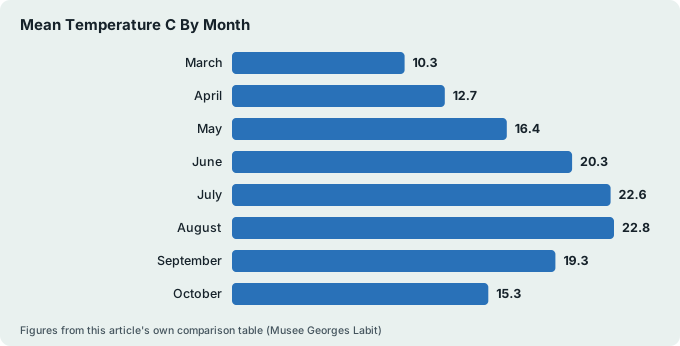
The best time to visit the Musee Georges Labit is a mild month when the Jardin des Plantes around it is at its best, and Meteo-France's 1991-2020 normals for Toulouse-Blagnac show the city's warm, sunny pattern: a mean annual maximum of 18.8C, 2,075.1 hours of sun a year and 627 mm of rain. May is the wettest month at 73.6 mm, so spring greenery comes with a real rain risk.
The museum's garden setting makes weather matter more than it would in a downtown institution. The district is at its most inviting from late spring through early autumn, but the climate table shows the trade-offs plainly.
| Month | Mean temperature C | Rain mm | Sunshine hours |
|---|---|---|---|
| March | 10.3 | 45.3 | 175.3 |
| April | 12.7 | 65.2 | 188.5 |
| May | 16.4 | 73.6 | 212.3 |
| June | 20.3 | 64.2 | 231.8 |
| July | 22.6 | 40.1 | 258.6 |
| August | 22.8 | 44.6 | 246.4 |
| September | 19.3 | 45.7 | 210.1 |
| October | 15.3 | 54.3 | 155.2 |
July is the sunniest month at 258.6 hours with only 40.1 mm of rain, and June and September sit close behind, which makes them the sweet spots for a museum-and-garden day. The surprise in the data is May: at 73.6 mm it is the wettest month of the whole year, almost double February's 37.2 mm, which runs against the common assumption that winter is the rainy season in southern France. The records underline the range: 42.4C on 23 August 2023 at the top, -19.2C on 15 February 1956 at the bottom.
Autumn visitors get a bonus beyond the gardens. The verified festival calendar puts Piano aux Jacobins from 8 to 30 September 2026 and Toulouse les Orgues, its 31st edition, from 7 to 18 October 2026 with the opening concert on 7 October at Notre-Dame de la Daurade. The Christmas markets on the Place du Capitole, the allees Jean-Jaures and the square Charles-de-Gaulle run 26 November to 27 December 2026, and Rio Loco returns to the Prairie des Filtres from 9 to 13 June 2027 with the theme "Noctiluca".
What Else Is Near The Musee Georges Labit?
The quarter around the Musee Georges Labit is the densest museum-and-garden cluster in Toulouse: the Jardin des Plantes and its botanical collections surround the museum, the Museum de Toulouse's natural history halls stand alongside, and the Japanese garden, the Garonne riverside and the Marche Victor Hugo all sit within a walkable radius of the district.
The immediate pairing is obvious. The Jardin des Plantes wraps around the museum itself, and the Japanese garden adds a designed landscape a short stroll away. The Museum de Toulouse shares the garden quarter, so a family can split naturally: natural history in the big halls, antiquities in the small pavilion, then the playground of the gardens.
| Nearby site | Type | Why it pairs with the Musee Georges Labit |
|---|---|---|
| Jardin des Plantes | Botanical garden | Wraps the museum; free green space |
| Japanese garden | Designed garden | A short walk; contrasting landscape style |
| Museum de Toulouse | Natural history | Same district; the Pass Tourisme lists it at EUR 12 |
| Garonne riverside | Riverside walk | Links the quarter toward the Pont Neuf |
| Marche Victor Hugo | Covered market | The city's food market; lunch after the museums |
| Musee Saint-Raymond | Archaeology | On the far side of the center, near Saint-Sernin |
Cross the center and the museum list deepens. The Musee Saint-Raymond, the city's archaeology museum near the Basilique Saint-Sernin, closed on 3 November 2025 for renovation and modernisation works and reopened on 3 April 2026. The Musee des Augustins partially reopened after its long renovation, and its Gothic halls, the sacristy, the Notre-Dame de Pitie hall and the chapter house, reopen on 3 October 2026 from 10:00, after a temporary full closure from 21 September to 2 October 2026 for great-cloister works. The Musee Paul Dupuy and the Musee du Vieux Toulouse cover decorative arts and local history for visitors who want a museum-hopping day.
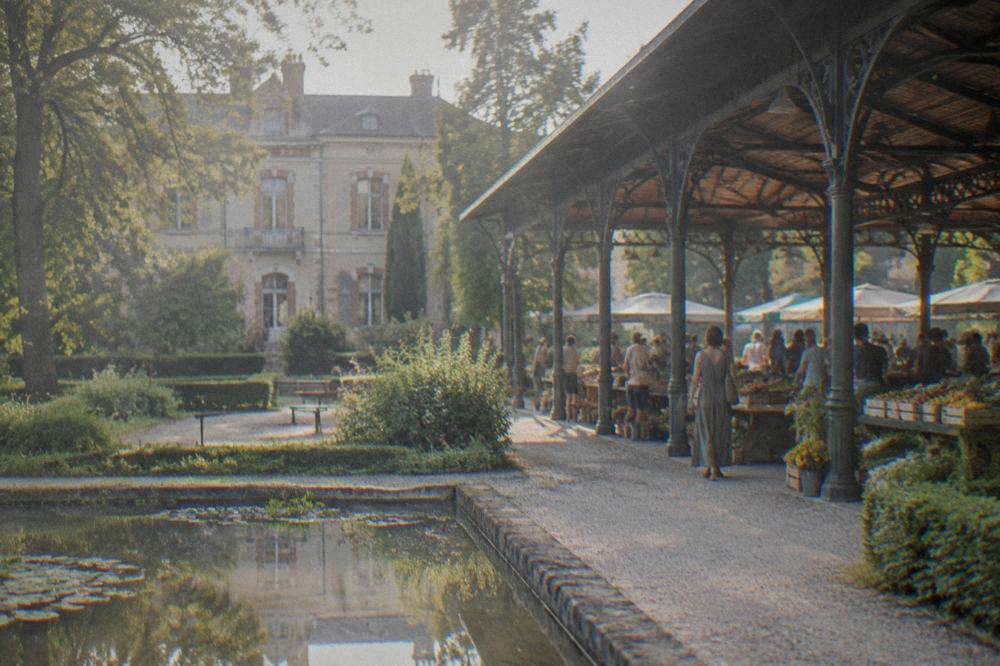
For lunch, the Marche Victor Hugo is the city's covered food market, and the site's food guides cover what to look for there without ranking stalls. Food tours that center on the market and the old city run with tastings included, and the site's featured walks below cover both the market quarter and the classic monument circuit.
Is The Musee Georges Labit Worth Visiting?
The Musee Georges Labit is worth visiting for travelers who want a small, focused museum of Asian art and Egyptian antiquities in a garden setting, and it is skippable for visitors whose Toulouse time is limited to the headliners. One unhurried hour inside, wrapped in a morning among the Jardin des Plantes, the Japanese garden and the Museum de Toulouse, is the realistic shape of a visit.
The honest case for skipping it: if you have one day, the Basilique Saint-Sernin, the Capitole, the Couvent des Jacobins and a Garonne walk come first, and the site's one-day itinerary covers that route. The honest case for going: no other museum in the city shows what this one shows, the building is charming, the district is the greenest in the center, and the crowds that fill the Jacobins during Piano aux Jacobins each September simply do not find their way here.
Practically, treat the museum as the anchor of a half-day in the southeast of the center rather than as a standalone trip. For visitors building a wider museum itinerary, the site's Musee des Augustins guide, its Couvent des Jacobins guide and its Fondation Bemberg guide cover the other anchors, and the Pass Tourisme math in this page's cost section tells you when the EUR 26 pass starts paying for itself.
Common Questions About The Musee Georges Labit
What is the Musee Georges Labit?
A small museum of Asian art and Egyptian antiquities in Toulouse, in southwestern France, housed in an ornate brick pavilion beside the Jardin des Plantes. Its galleries run from Egyptian pieces to Chinese ceramics, Japanese prints and Indian and Southeast Asian sculpture.
Where is the Musee Georges Labit located?
It stands at the edge of the Jardin des Plantes in southeastern central Toulouse, in the same district as the Museum de Toulouse and a short walk from the Japanese garden and the Garonne riverside.
How do I get to the Musee Georges Labit by public transport?
The Tisseo network serves the district on a standard single ticket at EUR 1.90, with a day pass at EUR 7.20 and a 10-trip carnet at EUR 16.00, per the official e-boutique catalogue. There is no two-day pass.
Is the Musee Georges Labit covered by the Pass Tourisme?
The tourist office's Pass Tourisme page lists the municipal museums it covers at their normal rates, including the Musee des Augustins at EUR 5 and the Jacobins at EUR 5, but it does not list the Musee Georges Labit individually, so confirm the museum's own admission terms before counting it toward the pass.
How long does a visit to the Musee Georges Labit take?
Roughly an unhurried hour inside the museum, which is why the site recommends wrapping it into a half-day among the surrounding gardens and the Museum de Toulouse rather than treating it as a standalone trip.
When is the best time of year to visit?
June, July and September balance warmth and rain best: July is the sunniest month at 258.6 hours with just 40.1 mm of rain, while May, at 73.6 mm, is the wettest month of the year in the Meteo-France 1991-2020 normals for Toulouse-Blagnac.