What Language Do They Speak In Andorra?
Catalan is the only official language of Andorra, the country reachable on a day trip from Toulouse in southwestern France. Here is what that means in practice for visitors.
Andorra sits in the Pyrenees, roughly 100 km south of Toulouse, the pink-brick "La Ville Rose" on the Garonne in the Occitanie region of southwestern France. It is a country travelers from Toulouse reach by road, usually as a day trip across the border, and one of the first practical questions they ask is what people speak once they get there. The answer is simpler than most expect, and it has a quirk that surprises visitors who assume Andorra is just a Spanish or French mountain outpost.
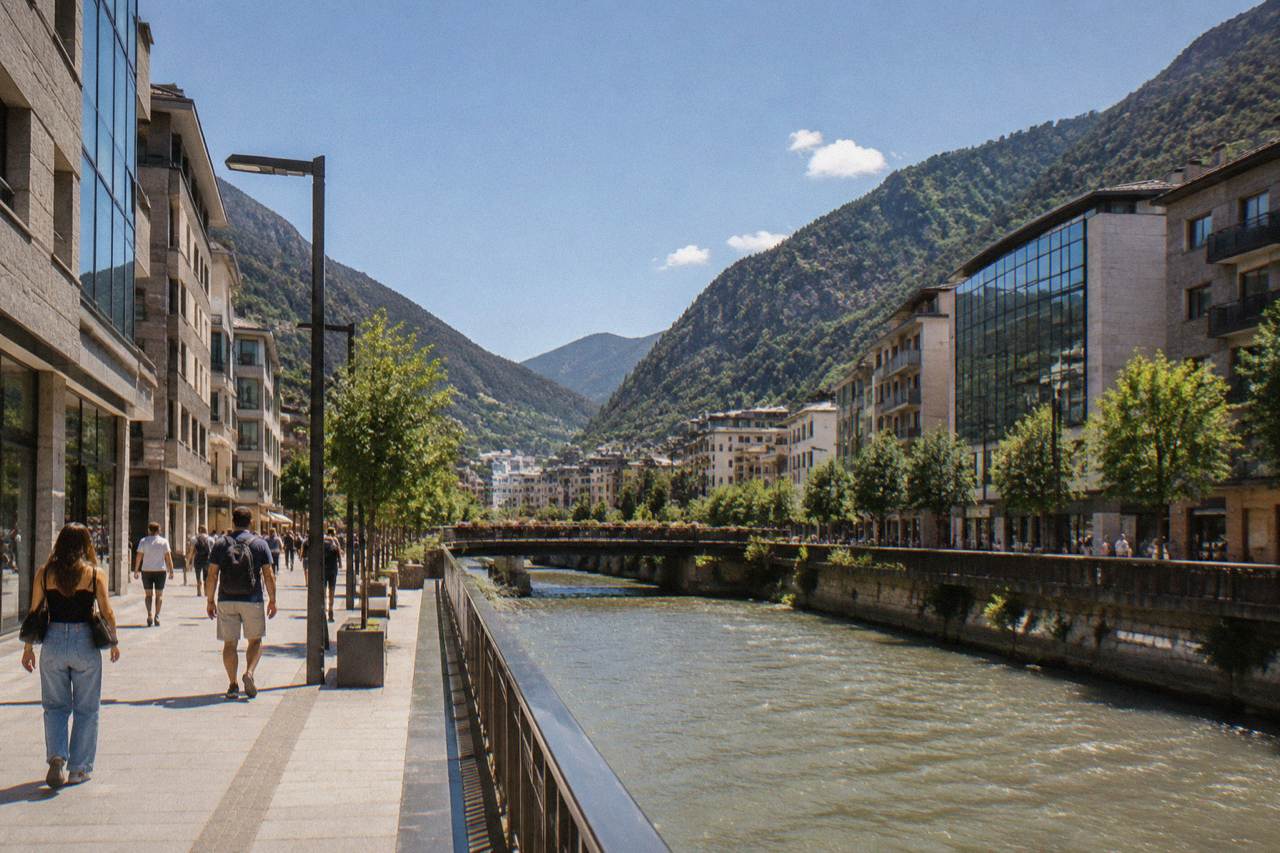
What Language Do They Speak In Andorra?
Catalan is the only official language of Andorra. It is the language of the country's laws, its school instruction, its street signs and its official documents, and Andorra is the only country in the world where Catalan holds that sole official status. In daily life, however, Spanish and French are spoken widely alongside it, and most people working in shops, hotels and restaurants switch between all three without hesitation.
That last part matters for visitors. The official-language question has a clean answer, but the street-level reality is genuinely multilingual. Andorra's population has long included large numbers of people with Spanish and French backgrounds, plus a substantial share of residents with Portuguese roots, so the language you hear at the next table in a cafe can be any of four from one minute to the next. Nobody planning a visit needs to learn Catalan to get by, though a few words of it are received warmly.
Why Is Catalan The Only Official Language Of Andorra?
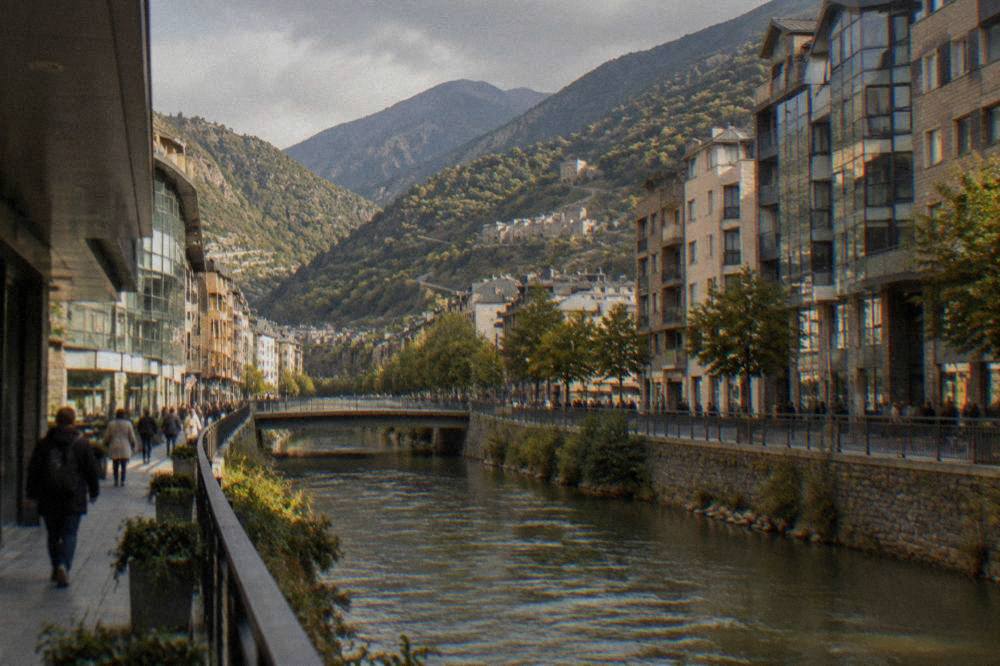
Andorra's constitution names Catalan as the country's only official language, a choice that reflects Andorra's history as a Catalan-speaking co-principality rather than a province of either France or Spain. The country has never been annexed by either neighbor, so no other language ever displaced Catalan in official use. Spanish and French arrived through geography, trade and migration, and they stayed as everyday working languages rather than official ones.
The co-principality structure explains a lot of the linguistic mix. Andorra is historically headed by two co-princes, the Bishop of Urgell in Catalonia and the President of France, an arrangement that keeps the country tied to both sides of the mountain range without belonging to either. That dual relationship is why French and Spanish are both so present in schools, commerce and media even though neither carries official status. Catalan, meanwhile, is the language Andorra uses to be itself: the language of its parliament, its signage and its national identity.
For a traveler, the practical consequence is that signage can look unfamiliar even when the country feels familiar. Town names, road signs, menu headings and government notices are in Catalan, which reads as a close relative of both French and Spanish. A speaker of either language will recognize a great deal of written Catalan on sight, and English-language material is common in the main commercial areas geared toward visitors.
Do You Need Catalan Or Spanish To Visit Andorra From Toulouse?
No, you do not need Catalan or Spanish to visit Andorra from Toulouse. The country's tourism economy runs on visitors from both France and Spain, so staff in hotels, restaurants, shops and the ski areas routinely handle French, Spanish and a fair amount of English. Road signage follows international symbols, menus in the main areas are multilingual, and a visitor who speaks French or English comfortably will manage without any preparation.
The trip itself is the harder part to plan than the language. Travelers coming from Toulouse usually drive or join a tour across the border, and the mountain roads are the reason to check conditions rather than phrasebooks. Before leaving Toulouse, it helps to see the city properly with a guide; the Toulouse Must-See Highlights with a Guide walk covers the Capitole, the basilica and the riverside in one loop, and you can Check availability for your dates.
Here is a quick reference for what each language does in Andorra in practice:
| Language | Official status | Where you actually encounter it |
|---|---|---|
| Catalan | Only official language | Laws, street signs, school instruction, official documents, local media |
| Spanish | No official status | Everyday conversation, many shops and restaurants, TV and radio |
| French | No official status | Commerce on the French-facing side, schools, dealings with visitors from France |
| Portuguese | No official status | Widely spoken within the resident Portuguese-origin community |
What Languages Will You Actually Hear In Andorra's Streets?
You will hear a rotating mix of Catalan, Spanish, French and Portuguese in Andorra's streets, with the balance shifting by valley and by season. Catalan dominates in official and local settings, Spanish is the most common sound in casual conversation, French rises wherever French visitors gather, and Portuguese runs through family life in many neighborhoods. In the commercial zones aimed at visitors, English joins the mix as a working fifth option.
The seasonal rhythm is worth knowing. In winter the ski economy brings a heavy flow of French visitors down from Toulouse and beyond, so French is everywhere in the resort areas. In summer the hikers and shoppers arrive from both sides of the border in more even numbers. A listener standing in the main commercial street of Andorra la Vella could plausibly hear four languages inside a minute, which is unusual for a country of Andorra's size and one of the more interesting things about crossing the border from France. More of these guides are collected on Toulouse Travel Guide.
This is also why Andorra rewards a bit of linguistic curiosity rather than anxiety. A greeting in Catalan lands well anywhere in the country, and even a traveler's halting attempt is treated kindly. The phrasebook below covers the handful of words that do most of the social work:
| Catalan phrase | English meaning | When to use it |
|---|---|---|
| Bon dia | Good day | Standard daytime greeting in shops and on trails |
| Si us plau | Please | Any request, from a coffee to a lift pass |
| Gracies | Thank you | The single most useful word in the country |
| Adeu | Goodbye | Leaving a shop, restaurant or counter |
| Bona tarda | Good afternoon | After midday, before evening |
| Perdoni | Excuse me | Getting attention politely |
How Does Andorra Fit Into A Toulouse Trip?
Andorra works best as an overnight or a long day trip from Toulouse, reached by road through the Haute-Garonne foothills and the border posts on the French side. Travelers usually pair it with time in Toulouse itself, using the city as the base for the mountain excursion, and the border crossing needs nothing more than the identity documents France and Andorra require. The country's duty-free shopping and ski resorts are the two draws people plan around.
Andorra is not in the European Union customs territory, which is why its shopping prices draw visitors, though the euro is the currency you use on the ground. If you are weighing the budget side of the question, our page on whether Andorra is very expensive covers what things cost, and if you are deciding how long to give it, how many days in Andorra is enough lays out the options. The language question rarely changes those plans, since the country is built to receive visitors who speak neither Catalan nor Spanish.
Back in Toulouse, the linguistic picture flips in an interesting way. The city's own regional language is Occitan, the historic tongue of the whole Occitanie region, and the relationship between Occitan and Catalan is close enough that the two are often described as sister languages. Our guide to Occitanie and Occitan explains that heritage, and it makes a nice thread to pull: you leave a French city with a living regional language, cross into a Catalan-speaking country, and hear two related tongues inside a single day's drive.
Is English Widely Spoken In Andorra?
English is spoken in Andorra's tourism-facing businesses but it is not a language of daily life. Hotel reception desks, ski schools, larger restaurants and the main retail operations in the commercial zones handle English reliably, while smaller village shops, medical services and administrative offices may not. A visitor who speaks neither French nor Spanish will be fine in the visitor economy and should expect a slower, more improvised experience outside it.
The situation parallels the one in Toulouse itself, where English coverage is good in the tourist core and thinner in ordinary neighborhoods; our page on whether English is widely spoken in Toulouse goes into that in detail. The same rule of thumb travels well: carry the name of your destination written down, keep your hotel's card with you, and let gestures do the rest when words run out.
For travelers who want the mountain day handled end to end, guided options remove both the driving and the language question at a stroke. These are three of the most useful picks from the Toulouse side:
The minibus and coach options in particular suit visitors who would rather not drive mountain roads in an unfamiliar country, and the guided walk is the natural first morning in Toulouse before you head south. Whichever way you structure it, the language answer stays the same: Catalan is the official language, everything else is a bonus, and the border is friendlier to the unprepared than its reputation suggests.
Common Questions About Languages In Andorra
Quick answers to what planners ask most about Andorra's languages before the drive down from Toulouse.
What language do they speak in Andorra?
Catalan is the only official language of Andorra. Spanish, French and Portuguese are all spoken widely in daily life, and English is common in tourism-facing businesses, but Catalan alone carries official status in law, government and education.
Is Andorra a Spanish-speaking country?
No. Spanish is widely spoken and is the most common language of casual conversation, but Andorra is not part of Spain and Spanish has no official status there. Catalan is the country's only official language.
Can I visit Andorra if I only speak English?
Yes, in the visitor economy. Hotels, ski schools, larger restaurants and the main shopping areas handle English reliably. In small villages and administrative settings, expect to rely on French, Spanish or patience.
Do people in Andorra speak French?
Many do. French is a common working language in commerce and schools, especially on the side of the country that faces France, and the flow of French visitors from Toulouse and beyond keeps it in constant use.
Is Catalan hard to read if I know French or Spanish?
Written Catalan is fairly transparent to readers of either language. Street signs, menus and shop fronts will be largely guessable, and a small phrasebook covers the rest.
What currency does Andorra use if it is not in the EU?
Andorra uses the euro. The country is not in the European Union's customs territory, which is the basis of its duty-free shopping, but the money in your pocket from Toulouse spends exactly the same across the border.
Whether you cross for the skiing, the shopping or just to stand in the only country where Catalan is the sole official language, the trip from Toulouse needs no linguistic preparation beyond a greeting and a thank-you. Bon dia, and gracies: those two words will carry you further in Andorra than a whole phrasebook would in most places.